


Multi Effects Pedal article
Common Multi Effects Pedal Mistakes to Avoid
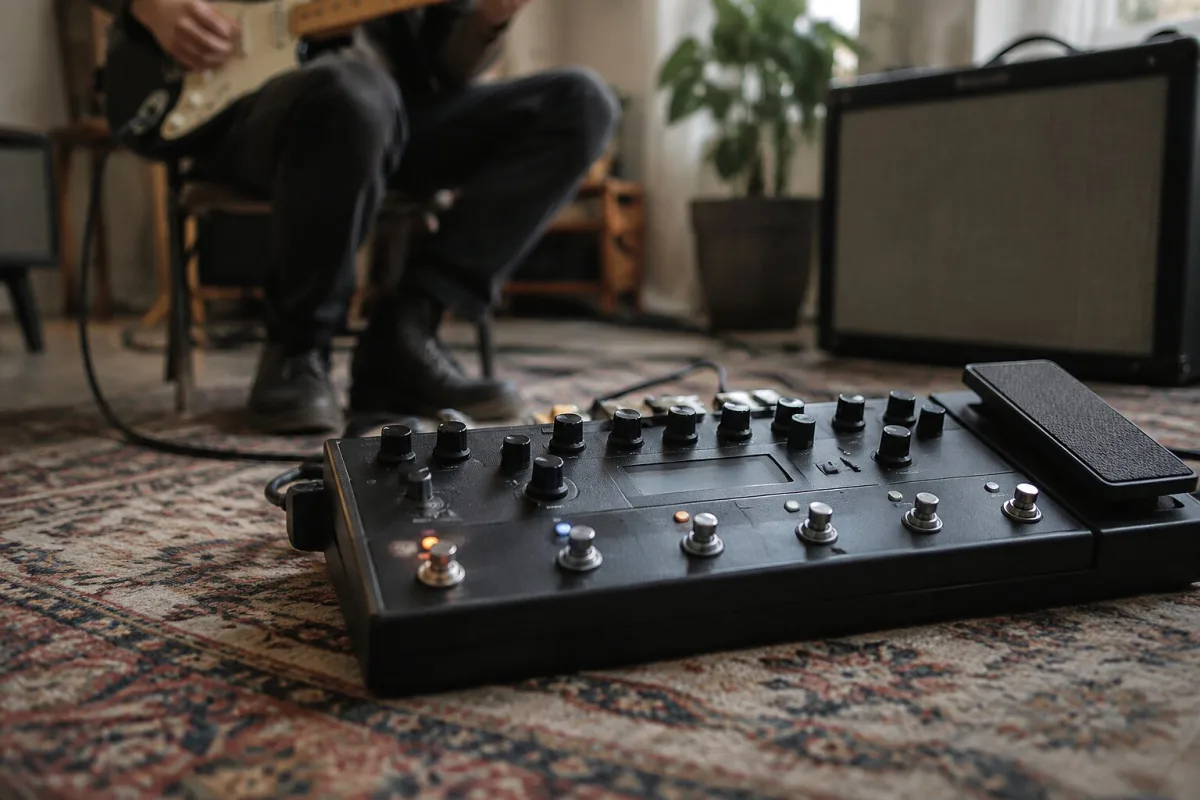
I watched a friend drop £1,400 on a beautiful Line 6 Helix floorboard last summer, excited about all the amp models and effect possibilities. Two months later, he was frustrated, tired of deep menu diving and convinced multi-effects pedals were too complicated. What happened? He'd made a few common mistakes that wrecked his experience. The Helix wasn't wrong—his expectations and approach were. Learning from these missteps saves you time, money and heartbreak.
Mistake One: Buying the Most Powerful Unit Before Understanding Your Needs
The floorboard is always tempting. It's got the most amp models, the most effects, the most footswitches—everything looks amazing on paper. But here's the thing: more features don't equal better experience. I've seen players spend £2,000 on a BOSS GT-1000 who could have been happier with a £400 compact unit because floorboards overwhelm beginners.
Know yourself first. Are you playing bedroom gigs or touring venues? Do you need direct PA connection or are you using a real amplifier? How many songs do you typically play, and how many tone changes do you need per set? If you're playing five songs and need two tone changes, a compact unit with eight footswitches handles everything. If you're playing thirty songs with different tone every third song, then a floorboard makes sense. Match the tool to the actual job.
Mistake Two: Creating Complex Presets Before Understanding Simple Ones
A multi-effects unit sits waiting, packed with possibilities. A beginner's first instinct is to load every effect into one massive preset—distortion, compression, wah, modulation, delay, reverb, all at once. Then they turn everything on and wonder why their tone sounds like mush.
Simple presets teach you how effects actually sound. Build one preset with just distortion. Play it for a week. Understand how drive and tone controls shape the sound. Then build another preset with distortion and delay. Notice how delay changes the character. Next, add reverb. Gradually your ears develop the sensitivity to hear what each effect contributes. Complex presets come naturally once you understand the basics. Rush it and you'll waste weeks tweaking things you don't actually understand.
Mistake Three: Neglecting Input Gain and Causing Digital Clipping
This is the mistake that makes otherwise professional units sound cheap and thin. Input gain is the first adjustment that matters, and most beginners get it wrong. Your multi-effects unit needs to "hear" your guitar at the right level—not too quiet, not too loud.
Set input gain so the signal metre reads about three-quarters full without hitting the red zone during your hardest picking. Too quiet and everything sounds thin and weak, lacking sustain and power. Too loud and the digital processing clips and distorts in ways that sound angry and harsh, nothing like real amplifier distortion. This one setting makes the difference between "this multi-effects unit sounds professional" and "why does this sound so bad?"
Mistake Four: Loading Effects in the Wrong Order
Effects order matters because each effect responds to the signal it receives. Distortion needs clean, controlled signal or it sounds sloppy. Reverb needs dry signal or it turns into watery mush. A common beginner mistake is putting reverb before distortion, which creates this unpleasant, washed-out tone that sounds nothing like real reverbed distortion.
The sensible order is: compression first (shapes everything), then gain effects (distortion, overdrive), then modulation (chorus, flanger, phaser), then time-based effects (delay and reverb). This order exists because it works across genres and playing styles. You'll experiment with it later—delay into distortion creates screaming feedback textures, for instance—but master the standard order first.
Mistake Five: Ignoring Headphone Presets
Many players create one preset, test it through amplifier speakers, then wonder why it sounds different when they play through headphones or a direct PA connection. Headphone reverb and delay behave differently than speaker reverb and delay because headphones put effects directly in your ears with no room interaction.
Create separate presets for headphones, monitors and amplifier output. Dial down the reverb for headphones—what sounds beautiful through monitors sounds washed out in your ears. This small detail transforms silent practice. You'll develop tone much faster when what you hear through headphones matches what you'll hear when you actually perform.
Mistake Six: Chasing Models Instead of Learning Signal Routing
Some players obsess over having the most amp models. "This processor has 500 models versus 200!" they announce proudly. But here's a secret: great tone comes from understanding signal routing and learning one or two amp models inside and out. A player who truly understands how to set input gain, stack effects correctly and use EQ creatively will outperform someone who bounces between 500 mediocre models.
Learn three amp models deeply. Understand how their preamp settings shape your tone, how power amp sag affects response, how output EQ changes character. Master those three before exploring the others. You'll develop ears attuned to subtle differences and stop chasing gear as a replacement for learning.
Mistake Seven: Skipping Firmware Updates and Missing Free Features
Manufacturers release regular firmware updates adding amp models, new effects or interface improvements—usually completely free. Yet many players ignore update notifications, convinced that "if it's not broken, don't fix it." This leaves them using month-old software when the manufacturer has added substantial features.
Save your presets before updating. Updates are generally rock-solid and won't corrupt your settings. Then explore what's new. Line 6 and other manufacturers release detailed patch notes. New amp models and effects show up regularly. Staying current costs nothing and keeps your investment fresh.
Mistake Eight: Abandoning the Unit When It Feels Complicated
The most heartbreaking mistake is when someone buys a legitimate piece of gear, finds the learning curve steep, and gives up thinking the unit is wrong. Multi-effects pedals are computers with a learning curve. They're not intuitive like twisting a knob on a classic amplifier. But that learning curve leads somewhere worth going.
Set aside practice time specifically for learning your multi-effects unit. Not playing songs with it—learning it. Spend thirty minutes understanding presets. Then spend thirty minutes understanding effects order. Then spend thirty minutes creating one perfect preset. After three weeks of half-hour practice sessions, you'll understand the unit and wonder why you ever thought it was complicated.
Conclusion: Learn the Fundamentals and Everything Else Clicks Into Place
A multi-effects pedal is a powerful tool that pays dividends once you understand it. Avoid these common mistakes: choose the right sized unit for your actual needs, build simple presets first, nail input gain early, master effects order, create headphone and amp presets separately, learn signal routing instead of chasing models, stay current with firmware, and most importantly, give yourself time to learn. The players who love their multi-effects units invested that learning time upfront and never looked back.





Comments