


Reed Case article
Reed Case for Beginners: A Complete Guide
New to reed instruments? A good reed case protects expensive reeds and extends their life dramatically. Learn what beginners need to know about storage, humidity, and care.
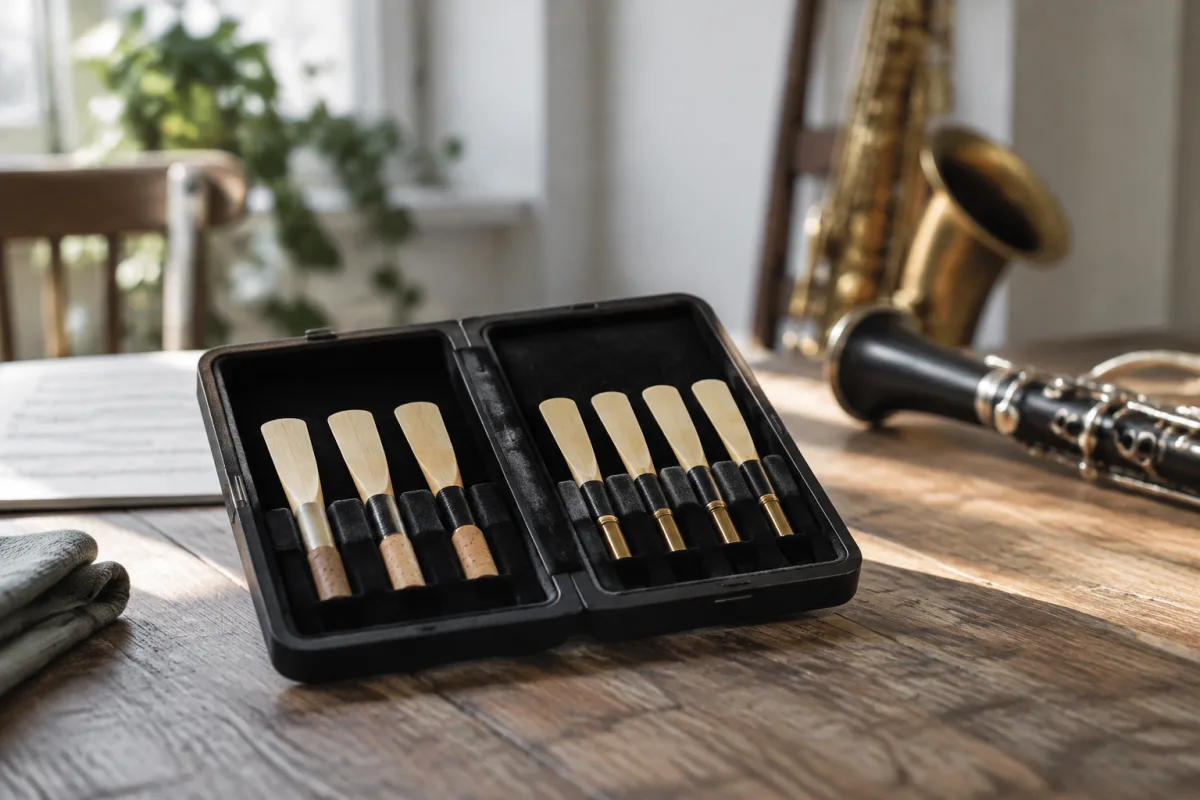
If you're beginning to learn an instrument that uses reeds—oboe, clarinet, saxophone, bassoon—you've quickly discovered that reed management matters enormously. Without proper storage, reeds deteriorate, warp, and become unusable within days. A good reed case prevents frustration and waste. For beginners, the process of finding and maintaining a reed case can feel unnecessarily complicated, but it's actually straightforward once you understand what matters. This guide walks you through everything you need to know about selecting and using a reed case for your learning journey.
Why a Reed Case Matters More Than You'd Expect
Reeds are delicate, expensive, and essential to your instrument's sound. A single reed costs between £2-8, and quality reeds can last only a few weeks with regular practice. Proper storage dramatically extends reed life, saving money and eliminating the frustration of cracked or warped reeds ruining practice sessions. A reed case is one of the most important accessories you'll buy for your instrument—its sole job is protecting something precious, and it does that surprisingly well.
Understanding What Your Reed Case Needs
The fundamental purpose of a reed case is creating a stable environment for storage. Reeds warp when humidity changes too dramatically. They crack when dropped or bent. They absorb moisture unevenly and develop mould in damp environments. A decent reed case minimises all these problems simultaneously.
Your reed case needs to hold reeds securely without damaging them, allow controlled air circulation (too little causes mould; too much causes warping), and be durable enough to survive pocket or bag transport. It doesn't need to be fancy, expensive, or complicated—just functional.
Common Beginner Mistakes with Reed Cases
Every reed player makes mistakes managing reeds. Learning from others' errors prevents expensive waste.
Storing wet reeds: Never put a freshly played reed in a case. The reed stays wet, mould develops, and your reeds become unusable within days. Let reeds dry at least an hour before storage. Some players lay reeds on a flat surface; others hang them in clips designed for drying.
Overcrowding: Jamming too many reeds into a case bends them and prevents proper airflow. Follow the case's capacity guide and don't exceed it for temporary extra storage.
Ignoring humidity: Reeds respond to humidity changes. If your practice space is very dry, consider a humidifier for your reed case. If it's very humid, ensure case ventilation prevents mould. Small silica packets help stabilise moisture in portable cases.
Using damaged cases: A reed case with cracks, poor seals, or weak retention doesn't protect reeds. Replace damaged cases rather than hoping they'll work.
Neglecting organisation: Beginners often mix working reeds with damaged or expired ones, then grab a bad reed mid-practice. Keep cases organised: good reeds separate from questionable ones, dated so you know when they were purchased.
Choosing Your First Reed Case
Your first reed case should be simple and functional. You don't need expensive designer cases; affordable options work as well. Most music shops sell basic reed cases for £5-15 specific to your instrument type. These straightforward plastic cases with simple retention work adequately for beginners.
Confirm the case fits your reed type. Oboe reeds, clarinet reeds, saxophone reeds, and bassoon reeds are all different sizes. A case designed for clarinet reeds won't accommodate soprano saxophone reeds properly. Check the label when purchasing.
Reed Case Features Beginners Should Know
Several features affect how useful your reed case becomes. Retention methods vary: simple slots hold reeds upright, clips secure them without pressure, and some cases use foam inserts with die-cut holes. All three work; choose whatever feels secure and easy for your hands.
Capacity matters but gets overstated. Beginning players typically cycle through 3-5 working reeds. A case holding 6-8 reeds provides comfortable buffer and space for reeds drying. Larger cases are unnecessary and harder to carry.
Material options include plastic (light, affordable, adequate), wood (durable, looks professional, more expensive), and leather (very durable, most expensive). Beginners should start with plastic and upgrade later if desired.
Your Reed Rotation System
Understanding reed rotation extends the life you get from each reed. Most reed players maintain 5-7 working reeds and rotate through them during practice. This distributes wear evenly and gives reeds time to recover between uses.
Your reed case should accommodate this rotation comfortably. A case holding 6-8 reeds lets you rotate through a full working set and keep 1-2 spares for emergencies. This is plenty for beginners learning technique.
Humidity and Environment Considerations
Stable humidity prevents reed problems. Ideally, your reed case sits in an environment between 45-55% humidity. If your practice space is very dry (central heating, desert climates), your reeds crack more easily. If it's humid (coastal areas, basements), mould becomes a risk.
You can't control your environment, but you can manage your reed case. In dry climates, store cases in slightly more humid areas (kitchens, bathrooms). In humid climates, ensure cases have ventilation and consider silica packets that absorb excess moisture. Many experienced players keep multiple cases in different humidity environments for flexibility.
Caring for Your Reed Case
A reed case itself needs minimal care. Keep it clean inside—dust damages reeds. Check clips and retention mechanisms periodically; a loose retention system ruins reeds by allowing movement. If your case develops cracks or warping, replace it; damaged cases don't protect effectively.
Moving Beyond Beginner Reed Cases
As you progress, you might explore dedicated reed storage systems offering precise humidity control, individual reed conditioning, or specialised designs for serious players. Advanced options exist, but they're unnecessary for beginners. Start simple, establish good habits, and upgrade your reed case later if desired.
For comprehensive information about reed care, maintenance, and storage for different instruments, our complete reed case guide covers advanced topics and options you can explore as your practice deepens.
Getting Started with Your First Reed Case
Your first reed case is simple: a functional storage container that protects reeds and fits your budget. Buy from your local music shop, confirm it's designed for your specific reed type, and follow basic care principles: store dry reeds, rotate them, maintain stable humidity, and replace the case if it becomes damaged. That's genuinely all you need. Everything else is refinement you can explore later.



Comments