


Reed Case article
Ed Hardy Phone Case: A Complete Guide
A reed case is more than just a box—it's insurance for your precious reeds, protecting them from damage and maintaining the stable humidity they need to stay playable.
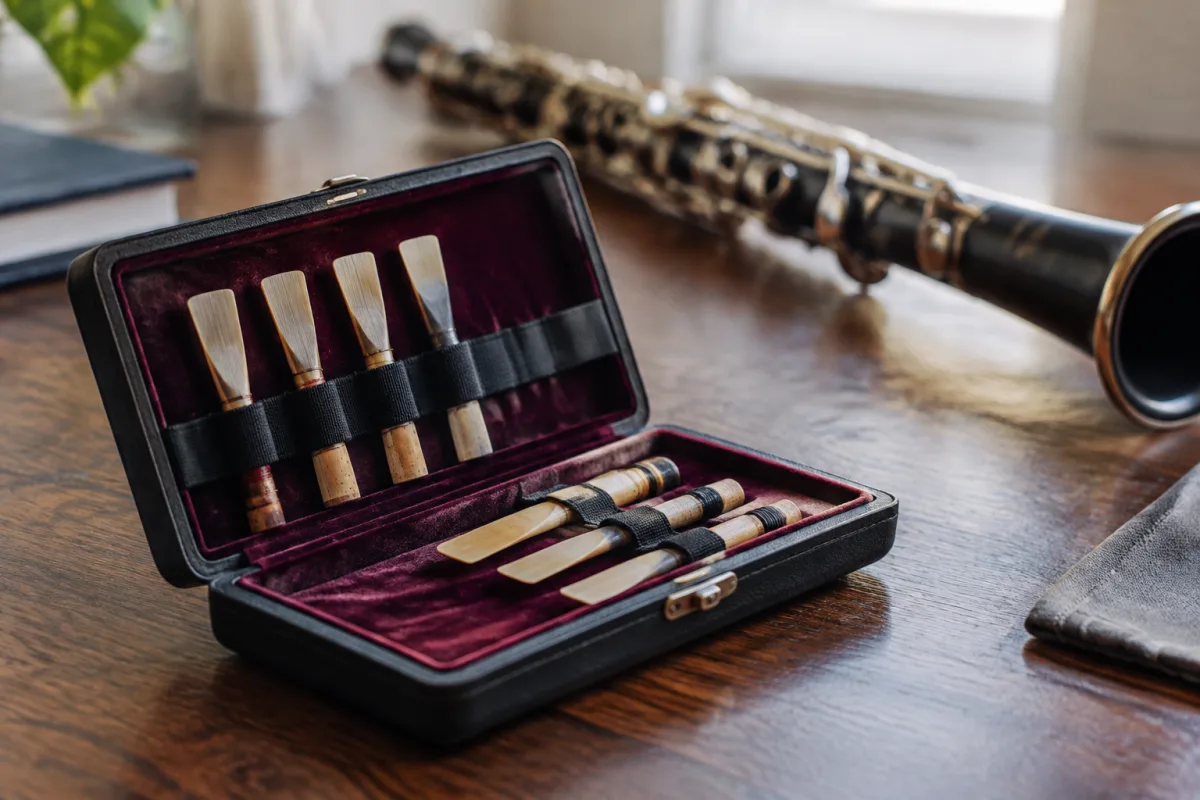
If you've invested in a good oboe, clarinet, or saxophone reed, you'll already know that reeds are delicate, temperamental things that demand respect. They're also surprisingly expensive and prone to damage if they're not properly protected. This is precisely where a proper storage solution becomes indispensable. A reed case isn't just a box—it's insurance for your reed, a protective environment, and a humidity controller all in one. Whether you're a professional musician or a keen amateur, understanding how to choose and use this solution properly will save you money and frustration.
What Makes Protection Essential?
A reed, whether for oboe, clarinet, saxophone, or bassoon, is made from a single piece of cane that's been precisely shaped, gouged, and tied. It's a marvel of craftsmanship, but it's also vulnerable to warping, cracking, and mould. Most reeds cost between £8 and £20 each, and a really good one can cost considerably more. Without proper protection, a reed can become unplayable through a single drop, a humidity fluctuation, or careless storage. A reed case solves all of this by providing physical protection, moisture regulation, and organisation.
Think of this storage solution as a defensive investment. A reed case costs around £15 to £40, whilst replacing damaged reeds costs far more when you consider both the monetary expense and the lost practice time waiting for a replacement to arrive.
Understanding Humidity and Case Design
The single biggest threat to reed longevity is humidity fluctuation. A reed expands when it's too wet and shrinks when it's too dry, both situations causing it to warp or crack. This is why many storage solutions are fitted with humidity-control systems. The most common design uses replaceable humidity packets—small pouches filled with silica gel or similar materials that slowly release or absorb moisture, keeping the interior at a stable, reed-friendly level (typically around 50–65 per cent relative humidity).
Some models include a small dial that displays the current humidity level, letting you monitor conditions at a glance. Higher-end options may use more sophisticated humidity systems that actively maintain a precise humidity range. If you live somewhere with particularly extreme humidity (very damp or very dry), a case with good humidity control becomes even more valuable.
Types of Storage Solutions: Finding Your Match
A reed case comes in several varieties, each suited to different needs and instruments:
- Flat cases — Designed for a handful of reeds (typically 3–8), these compact solutions slip easily into a gig bag or backpack. Perfect if you cycle through just a few reeds at a time.
- Box cases — Larger options holding 10–20 or more reeds, with multiple compartments and often featuring more sophisticated humidity systems. These work well for serious players who rotate through many reeds.
- Travel cases — Lightweight, protective designs created to withstand baggage handling, with foam interiors that cradle each reed individually.
- Specialty cases — Some are designed specifically for particular instruments (double reed cases for oboe/English horn, single reed cases for clarinet/saxophone). A solution tailored to your instrument often fits better and protects more efficiently.
The instrument you play matters too. Storage for saxophone reeds is typically larger than one for oboe, simply because the reed is bigger. Similarly, solutions for double reeds need different internal dimensions than those for single reeds.
Choosing the Right Humidity System
Not every option includes humidity control, and some players actively prefer a simple, uncontrolled storage solution, reasoning that their practice room already maintains reasonable humidity. This works if your environment is genuinely stable, but most musicians benefit from one with passive humidity control.
When comparing your options, look for:
- Replaceable humidity packets (convenient and cost-effective)
- A built-in hygrometer dial (so you know when conditions are drifting)
- Durable internal compartments that don't leak or collapse
- A seal or gasket that keeps the case airtight when closed
- Ventilation holes (ironically, some passive designs need tiny air holes to allow humidity to equilibrate gently)
Avoid budget options that use a loose foam insert; these offer minimal protection and often degrade quickly, shedding particles onto your reeds.
Using Your Storage Solution Properly
Simply owning this type of solution isn't enough—how you use it matters. When storing reeds, place them flat or at a gentle angle, never crammed vertically where they might press against each other. Space them out so air can circulate around each one. If your solution has a hygrometer, check it weekly and refresh the humidity packets according to the manufacturer's guidance (typically every 2–4 weeks, depending on climate and usage).
Some players keep reeds in storage whilst they're in regular use, removing them to play. Others store only their "backup" reeds and keep the current reed on the instrument or in a simple reed holder. This rotation actually helps—reeds need time to rest and recover between playing sessions, and a reed case provides the ideal environment for that.
Never store a wet reed in a sealed container. Dry it thoroughly first, either by standing it vertically on blotting paper or laying it flat in open air for at least an hour. Moisture trapped inside can promote mould, which ruins a reed instantly.
Budget vs. Investment: What to Spend
A basic option—nothing fancy, just a protective box with minimal humidity control—costs around £10 to £15. A mid-range solution with a hygrometer and replaceable humidity packets runs £25 to £40. Premium options, especially those designed for professional musicians or orchestral use, can exceed £50.
The return on investment is straightforward. If a quality reed costs £15 and a decent storage solution costs £30, you only need to save two reeds to break even. Most musicians will save far more than that over a year, simply by preventing warping, cracking, and mould damage.
The Bottom Line
A reed case is one of those unglamorous tools that separates serious musicians from casual players. It's not flashy, it won't improve your tone, and you'll rarely think about it—until you need it. Then you'll be grateful you made the small investment. Whether you're a schoolchild learning clarinet, a university music student juggling half a dozen reeds, or a professional oboist with a carefully curated rotation of premium reeds, this protective solution is essential infrastructure. Choose one that matches your instrument, your climate, and your budget, and your reeds will reward you with years of reliable performance.
Frequently Asked Questions
This section will be replaced by the FAQ schema. Refer to meta.faq in the JSON.





Comments