


Reed Case Buying guide
Reed Case: A Complete Buyer's Guide
Protecting your reeds requires selecting the right reed case with proper humidity control and capacity. This guide helps you choose protection matching your needs.
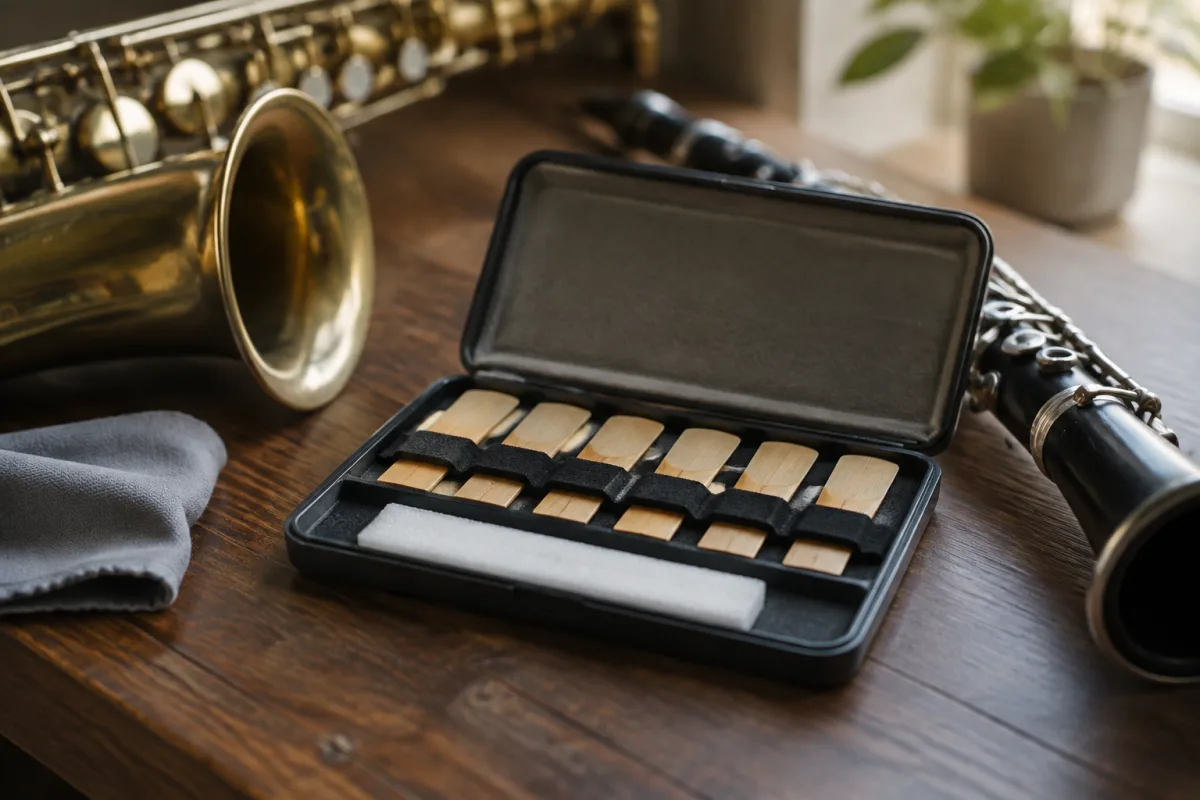
Protecting your valuable reeds requires selecting the right reed case. A quality reed case maintains optimal humidity levels, prevents warping, and protects against physical damage. Whether you're a professional performer managing multiple reeds or a student protecting a beginner investment, understanding reed case options ensures your reeds remain playable. This guide walks you through reed case selection, helping you choose protection matching your needs and budget.
Understanding Reed Case Purposes and Design
A reed case serves multiple critical functions: maintaining consistent humidity, preventing physical damage during transport, and organising reed inventory. Professional musicians often carry multiple reeds to performances; a quality reed case keeps them protected and ready. The best reed cases combine protective materials with humidity regulation, preventing environmental damage that renders reeds unplayable.
Reed cases vary significantly in sophistication. Basic reed cases offer minimal protection, suitable for players keeping one or two reeds at home. Professional reed cases include humidity regulators, reinforced construction, and space for multiple reeds, reflecting their higher value. Your reed case choice depends on playing frequency, reed quantity, and travel demands.
Humidity Control and Storage Conditions
| Case Type | Humidity Control | Capacity | Best For |
|---|---|---|---|
| Basic Plastic Reed Case | Minimal; passive humidity retention | 2–5 reeds | Casual practice at home |
| Wooden Reed Case | Moderate; wood naturally regulates humidity | 3–8 reeds | Home storage for amateur players |
| Humidified Reed Case | Active humidity regulation with gel inserts | 5–12 reeds | Travelling musicians, professionals |
| Premium Sealed Reed Case | Airtight seal with humidity control | Up to 20 reeds | Professional touring musicians |
Materials and Durability Considerations
Reed cases exist in various materials, each offering distinct advantages. Plastic reed cases remain affordable and lightweight, ideal for casual players. Wooden reed cases (traditionally hardwood) provide superior humidity regulation and aesthetic appeal, popular among serious amateurs. Composite and rubber-padded reed cases offer enhanced shock protection during travel. Evaluate your primary use—home storage prioritises humidity control, whilst touring demands superior protective padding.
Examine your potential reed case's sealing mechanism. Effective reed cases seal completely, preventing humidity fluctuations from external air. Poor-sealing designs negate humidity control benefits. Check locks and latches ensuring they remain secure during transport.
Capacity and Quantity Considerations
Casual players maintaining 2–3 reeds require minimal capacity reed cases. School musicians developing extensive reed inventories benefit from larger reed cases accommodating 8–12 reeds. Professional performers often maintain 15–20 reeds for different instruments (soprano, alto, tenor saxophone or clarinet variants). Calculate your typical reed inventory before purchasing; undersized reed cases quickly become inadequate as your collection grows.
Many reed cases feature individual reed holders or compartments preventing contact between reeds. This organisation system reduces damage and enables quick reed selection during performances. Examine compartment design; well-designed reed cases keep reeds separated and stable during transport.
Humidity Regulation Technologies
Basic reed cases offer passive humidity retention through sealed construction. Active humidity control utilises gel inserts or saturated materials maintaining target humidity levels (typically 50–55% relative humidity). Premium reed cases include sophisticated regulators ensuring consistent conditions regardless of external humidity. Professional musicians frequently choose active-regulation reed cases for consistent reed response and longevity.
Understand your reed case's humidity maintenance requirements. Gel-based reed cases require periodic saturation through water absorption. Crystal-based systems periodically need replacement. Fully sealed reed cases minimise maintenance but demand occasional opening for moisture monitoring.
Price Points and Value Propositions
Budget reed cases cost £10–25 and provide basic protection. Mid-range options (£25–60) offer improved materials, better sealing, and active humidity regulation. Premium reed cases (£60+) include sophisticated humidity control, superior materials, and capacity for extensive collections. Invest in quality reed cases if you maintain multiple instruments or travel frequently; basic cases suit casual home storage.
Common Buying Mistakes to Avoid
Purchasing undersized reed cases creates frustration quickly. Allow space for future reed acquisition rather than selecting minimal-capacity models. Growing reed collections outpace small reed cases within months.
Overlooking humidity control neglects essential reed protection. Even home-stored reeds benefit from humidity regulation preventing environmental cracking. Never purchase reed cases without humidity management.
Assuming expensive automatically means superior misses value opportunities. Moderately-priced reed cases with solid humidity regulation often outperform premium-priced alternatives lacking effective sealing. Prioritise humidity performance over pure cost. Explore our complete reed case reference guide for detailed product information.
Maintenance and Longevity
Well-maintained reed cases outlast their contents. Store in temperature-stable environments avoiding direct sunlight or extreme heat. Periodically inspect seals and humidity regulators ensuring continued function. Replace gel inserts or crystal media as needed, following manufacturer recommendations.
Organising Your Reed Case Effectively
Organisation within your reed case maximises space and prevents damage. Store reeds vertically or horizontally depending on case design. Label reeds with date and instrument; older reeds eventually lose playability. Maintain inventory records; knowing available reeds prevents panic when unexpected failures occur.
Your ideal reed case balances capacity needs with humidity control quality, mobility requirements, and budget constraints. Invest appropriately in protection matching your reed collection value and playing frequency. A quality reed case preserves your reeds' lifespan, ensuring consistent performance and reliable equipment throughout your musical career.


Comments