


Large Recorder article
The Complete Guide to Large Recorder
Large recorders offer rich, sonorous tones and access to centuries of chamber music repertoire. Discover tenor, bass and alternative recorders designed for accomplished musicians.
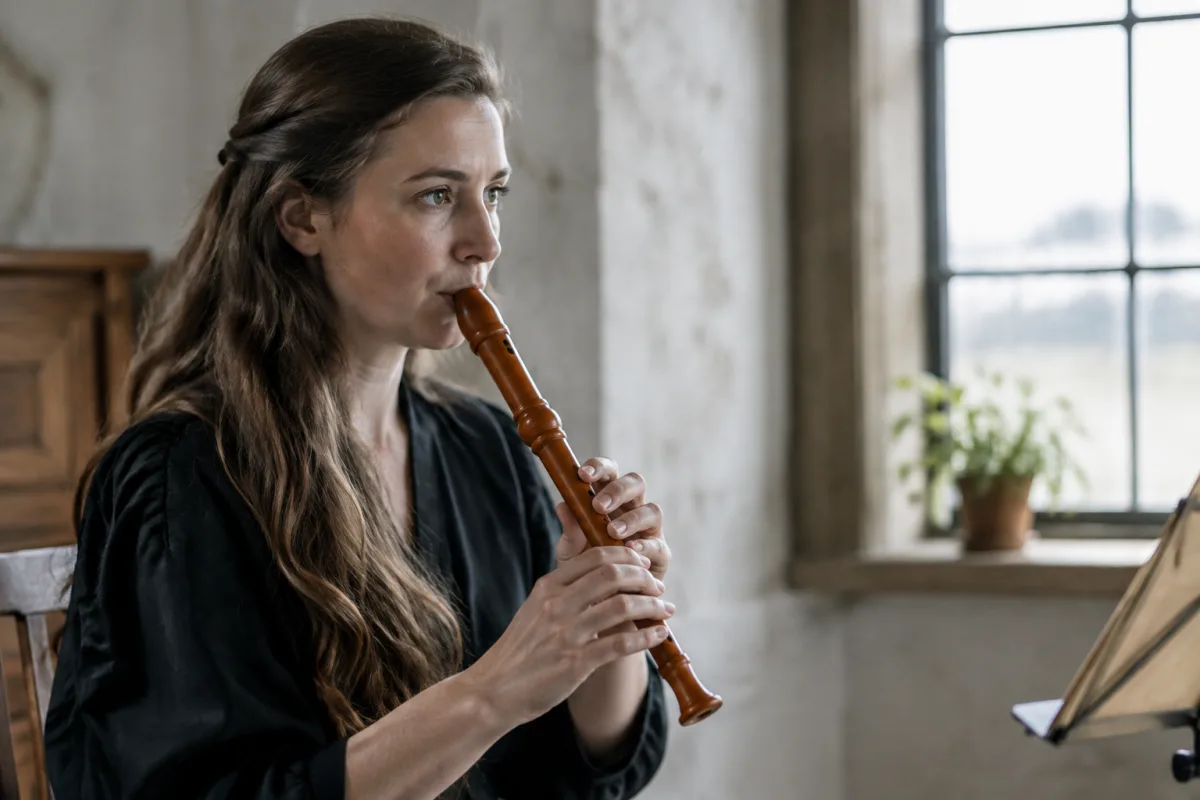
Large recorders represent a fascinating but underexplored corner of the wind instrument world. Whilst the soprano recorder is ubiquitous in schools and casual music-making, tenor, bass and contrabass recorders offer rich, sonorous tones and sophisticated repertoire suited to accomplished players and ensemble contexts. A large recorder demands different embouchure technique, breath support and fingering dexterity than its soprano cousin, but rewards patient learners with access to entirely new musical possibilities.
Understanding the Recorder Family
The recorder family extends across an extraordinary pitch range. A soprano recorder, the most familiar size, sits in the treble clef and produces high, bright tones. Moving down the size spectrum, you encounter alto (mezzo-soprano), tenor, bass and contrabass recorders, each tuned progressively lower. A tenor recorder sounds roughly an octave below a soprano; a bass recorder drops another octave lower still.
This large pitch range mirrors the soprano/alto/tenor/bass structure of Renaissance vocal music, and indeed, much early recorder repertoire was arranged for mixed ensembles of different-sized instruments. Contemporary composers continue to write for large recorder ensembles, creating a vibrant musical world beyond the soprano recorder tutorials found in school classrooms.
Why Large Recorders Matter
A soprano recorder is a teaching instrument, designed for accessibility and ease of entry. A large recorder is a professional instrument, built with meticulous craftsmanship and demanding sophisticated playing technique. The distinction is crucial: a tenor or bass recorder in unskilled hands will sound awful; in capable hands, it produces tone of extraordinary beauty and warmth.
Large recorders unlock repertoire unavailable to soprano players. Renaissance and Baroque composers wrote vast amounts of music for tenor and bass recorders, alongside sonatas and suites specifically designed for the deeper, warmer tones these instruments offer. Contemporary classical and avant-garde composers also write for large recorders, exploring their unique tonal palette.
Key Types of Large Recorders
Alto (Mezzo-Soprano) Recorder. Slightly larger than a soprano, the alto recorder sits between soprano and tenor. It sounds lower and warmer than soprano, yet retains brightness and agility. Many amateur players find alto a perfect stepping stone from soprano to deeper instruments. The alto recorder is popular in early music ensembles and school programs for advanced players.
Tenor Recorder. Approximately twice the length of a soprano, a tenor recorder sounds an octave lower. It requires deeper breath support, larger hand position and different embouchure than soprano. The tone is warm, mellow and full, ideally suited to Renaissance music, chamber ensembles and solo work. Tenor is the most popular large recorder for serious players.
Bass Recorder. A bass recorder is an imposing instrument, often 3–4 feet long and requiring a sturdy stand or playing position. It produces tones of extraordinary depth and resonance, ranging into the baritone and bass vocal register. Bass recorders are popular in early music consorts and contemporary ensemble contexts. Playing one demands substantial breath capacity and physical stamina.
Contrabass and SubContrabass Recorders. These rare, monumental instruments sound two octaves below soprano or deeper still. They are museum pieces and experimental tools rather than standard orchestral instruments, but specialist makers and adventurous composers continue to explore their possibilities.
Playing a Large Recorder: Technical Challenges
| Challenge | How to Address It |
|---|---|
| Larger hand position | Tenor and bass recorders demand wider hand stretch and different posture than soprano. Begin with carefully guided technique to establish healthy muscle habits. |
| Increased breath support | Larger recorders require deeper, more controlled breathing. Wind capacity that suffices for soprano will exhaust quickly on tenor or bass. Develop diaphragmatic breathing discipline. |
| Lower embouchure | The embouchure position (mouth shape and lip tension) differs on larger recorders. Professional instruction is essential; poor embouchure causes thin, unfocused tone. |
| Intonation tuning | Large recorders are more sensitive to embouchure adjustments and fingering variations. Achieving stable, accurate intonation demands more finesse than soprano playing. |
| Fingering patterns | Whilst the basic fingering is similar across recorder sizes, many large recorders employ alternative fingerings for certain notes. Memorise instrument-specific fingering charts. |
Repertoire and Musical Context
Large recorders have an impressive body of written music. Renaissance masters like Jacob van Eyck and Michel Corrette composed for tenor and bass recorders. Baroque composers including Telemann, Vivaldi and Handel wrote for various recorder sizes. This wealth of historical music offers genuine cultural and artistic satisfaction to players who develop the technical skills to access it.
Contemporary composers also create new works for large recorders, from avant-garde experimental pieces to new classical chamber works. The recorder has enjoyed a renaissance in contemporary classical music, with serious composers recognising its expressive potential and unique tonal character.
Choosing a Large Recorder
Do not attempt a tenor or bass recorder without prior soprano or alto experience. A soprano background teaches you fundamental recorder technique: breath control, embouchure discipline, intonation awareness and musical interpretation. After mastering soprano basics, transitioning to tenor or bass becomes achievable.
When ready to purchase a large recorder, invest in a quality instrument from an established maker. Names like Yamaha, Aulos, Moeck and Kung have earned reputations for superior craftsmanship and consistent intonation. Budget £200–800 for a decent tenor; premium instruments can exceed £1,500.
Seek out an experienced recorder teacher familiar with large instruments. Playing technique differs significantly from soprano; competent instruction prevents bad habits that will limit your progress and tone quality.
Conclusion
Large recorders are rewarding instruments for players who have mastered soprano basics and are ready for a deeper musical challenge. The repertoire is substantial, the tonal possibilities extraordinary, and the ensemble contexts vibrant. Whether you are drawn to Renaissance consort music, Baroque chamber works or contemporary avant-garde exploration, a tenor or bass recorder opens doors to musical worlds that the soprano recorder cannot reach. Take the time to develop solid soprano technique first, then explore the rich, warm, resonant voice that a large recorder has to offer.



Comments