


Large Recorder Buying guide
Large Recorder: A Complete Buyer's Guide
Moving beyond soprano? A large recorder offers deeper, richer tones. Here's how to choose between alto, tenor, and bass recorders for your playing style.
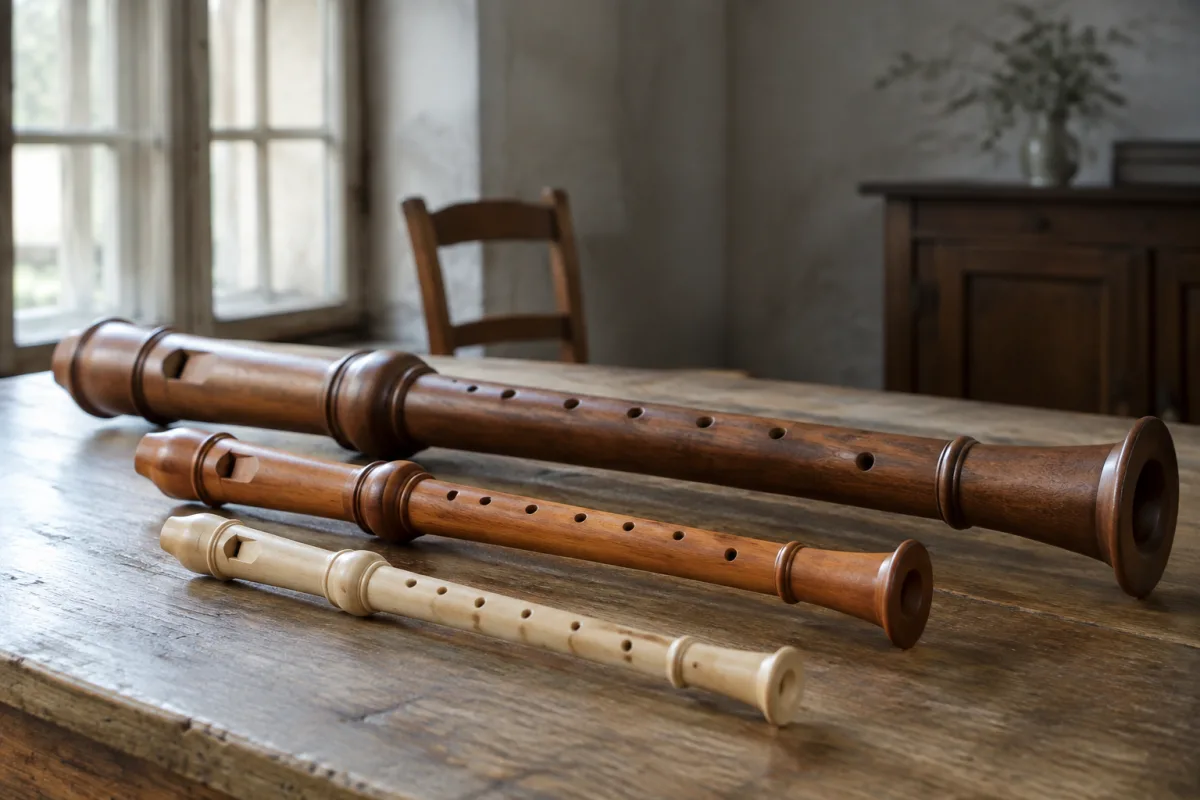
Buying a Large Recorder: Choosing Between Soprano, Alto, Tenor, and Bass
If you've mastered a soprano recorder and want to explore deeper, warmer tones, stepping into large recorders opens an entirely new musical world. Bass and tenor recorders are gorgeous instruments—but choosing the right one means understanding tone, playability, and what each size actually does. Here's what matters when you're ready to invest.
Understanding Recorder Sizes and Their Tones
Soprano recorder: The tiny, high-pitched one. Most people's first recorder. Bright, piercing tone. Good for beginners and children.
Alto recorder: About 65cm long. Rich, warm tone—significantly deeper and mellower than soprano. The instrument of choice for serious hobbyists and advanced students. Good volume, excellent tone quality. Standard in recorder consorts and ensemble playing.
Tenor recorder: About 1 metre long. Deep, resonant, woodsy tone. Larger mouthpiece and wider finger holes, requiring larger hands. Suitable for advanced players. Beautiful for solo playing and ensemble work.
Bass recorder: 1.5 metres or more. Ultra-deep, full-bodied tone. Largest fingering challenges. Requires genuine commitment and hand strength. Primarily for advanced ensembles; rarely played solo.
When people say "large recorder," they usually mean alto and above. Here's how to choose.
Alto Recorders: The Sweet Spot for Most Players
An alto recorder is often the next step after soprano. The tone is noticeably warmer and fuller, and the instrument is still manageable for hands of average size.
What to check when buying:
- Wood or plastic? Plastic altos are affordable (£20–50) and durable—fine for learning. Wooden altos (£80–200+) have richer tone. For serious playing, invest in wood.
- Finger hole size: Alto holes are larger than soprano but not huge. Try one in hand first if possible. If your fingers don't reach comfortably, keep looking.
- Voicing: Some altos are bright; others are mellower. The construction (wood type, bore width) affects this. Listen to recordings or demos before buying.
- Brand reputation: Aulos, Yamaha, Kung, and Moeck are reliable. Avoid no-name brands—poor voicing and dodgy intonation are common complaints.
Tenor Recorders: The Commitment Point
A tenor recorder is a beautiful, deep instrument—but it's significantly more demanding than an alto.
Finger reach: Tenor finger holes are spread far apart. You need decent-sized hands and strong hand strength. Before buying, hold one and attempt basic fingerings. If you can't comfortably reach the hole pairs, wait until your hands are larger or stronger.
Tone quality and price: Tenors vary widely. A student plastic tenor (£40–80) works for learning. A wooden tenor (£150–400) offers genuinely superior tone. Premium tenors (£400+) are for professionals and serious amateurs.
Voicing: Tenor recorders can be "bright" (thin tone) or "dark" (rich, woody tone). Listen before buying. Some famous tenor recordings sound gorgeous; a cheap tenor can sound thin and reedy.
Playability concern: Tenors require more lung capacity and diaphragm control than altos. You'll tire quickly at first. Build endurance gradually.
Bass Recorders: For Ensembles, Not Solo Playing
A bass recorder is massive, requires significant technique, and is primarily used in recorder ensembles or orchestras. Unless you're joining a specific ensemble that needs a bass player, reconsider buying one.
Physical demands: Bass recorders are 1.5+ metres long. Handling one requires a music stand and often a floor peg to support the weight. Finger holes are so far apart that only people with large hands can play them easily.
Cost: Decent bass recorders start around £400–600 and go up to £1,500+ for concert-grade instruments. That's a serious investment.
Ensemble focus: Basses are rarely played solo. They anchor the bass line in ensemble pieces. If you're not joining an ensemble, a tenor is more practical.
Common Pitfalls to Avoid
Buying a tenor before your hands are ready. Adult-sized hands with average reach can play tenor reasonably well. Teenage hands or smaller adult hands will struggle. Don't rush it. Play alto for a year or two first, then assess whether tenor feels feasible.
Assuming plastic is "just fine." A plastic alto works for learning. But if you're committing to a tenor or bass, invest in wood. The tonal difference is substantial, and wooden instruments respond better to technique. Playing a plastic tenor is frustrating; playing a quality wooden tenor is inspiring.
Choosing purely by online reviews. "Best recorder" lists are often biased or generic. Listen to recordings of specific models. Watch videos of them being played. Tone is personal—what one reviewer loves, another might dislike.
Skipping the hand-size assessment. If you can't reach the finger holes comfortably, you'll develop bad technique and hand strain. Stop and reconsider your size choice. It's not worth injuring yourself.
Buying a tenor as a "novelty." If you're not planning to join an ensemble or seriously develop your technique, a tenor will sit unused. Stick with alto. It's deeper than soprano, genuinely beautiful, and a much more practical long-term instrument.
Price Breakdown: What to Expect
Student alto (plastic): £20–50. Functional, durable, bright tone. Fine for testing the waters.
Semi-professional alto (wood): £80–150. Noticeably warmer tone. Better responsiveness. Suitable for serious amateur playing.
Professional alto (wood, premium): £200–400+. Concert-quality tone and intonation. For professional ensembles or dedicated amateurs.
Student tenor (plastic or laminated wood): £40–100. Good for learning. Tone is decent but woody/breathy.
Semi-professional tenor (solid wood): £150–300. Warm, rich tone. Good for ensemble playing and solid amateur work.
Professional tenor (premium wood): £300–600+. Exceptional tone, excellent intonation, built for concert performance.
Bass recorder: £400–1,500+. Primarily for ensembles; rarely bought for solo playing.
Buying New vs. Used
New: Warranty, known condition, immediate playability. Worth it for peace of mind, especially on pricier instruments.
Used: Potentially much cheaper (30–50% savings possible). But you need to inspect for damage: cracks in the wood, dents in the bore, damaged tone holes. If you can't verify the instrument's condition in person, buying new is safer.
First Steps: Testing Before Buying
Visit a music shop and hold several instruments. Try fingering positions—can you reach all the holes comfortably? Ask about rental options. Many shops rent altos and tenors for £15–30 monthly. Renting lets you decide if larger recorders suit you before committing to purchase.
The Bottom Line
An alto recorder is the logical next step from soprano—richer tone, still manageable, affordable. Invest in a wooden alto (£80–150) and enjoy it for years. Move to tenor only when your hands are large enough and you're genuinely interested in ensemble playing or solo repertoire. Bass recorders are specialist instruments for ensembles—don't buy one on impulse. And remember: a well-maintained wooden recorder improves with time. Your investment today will still be playable and beautiful in 20 years.


Comments