


Steinberg Audio Interface article
Everything You Need to Know About Steinberg Audio Interface
Steinberg audio interfaces combine professional-grade sound, reliability, and thoughtful design. This guide helps you understand the range and choose the right model for your studio.
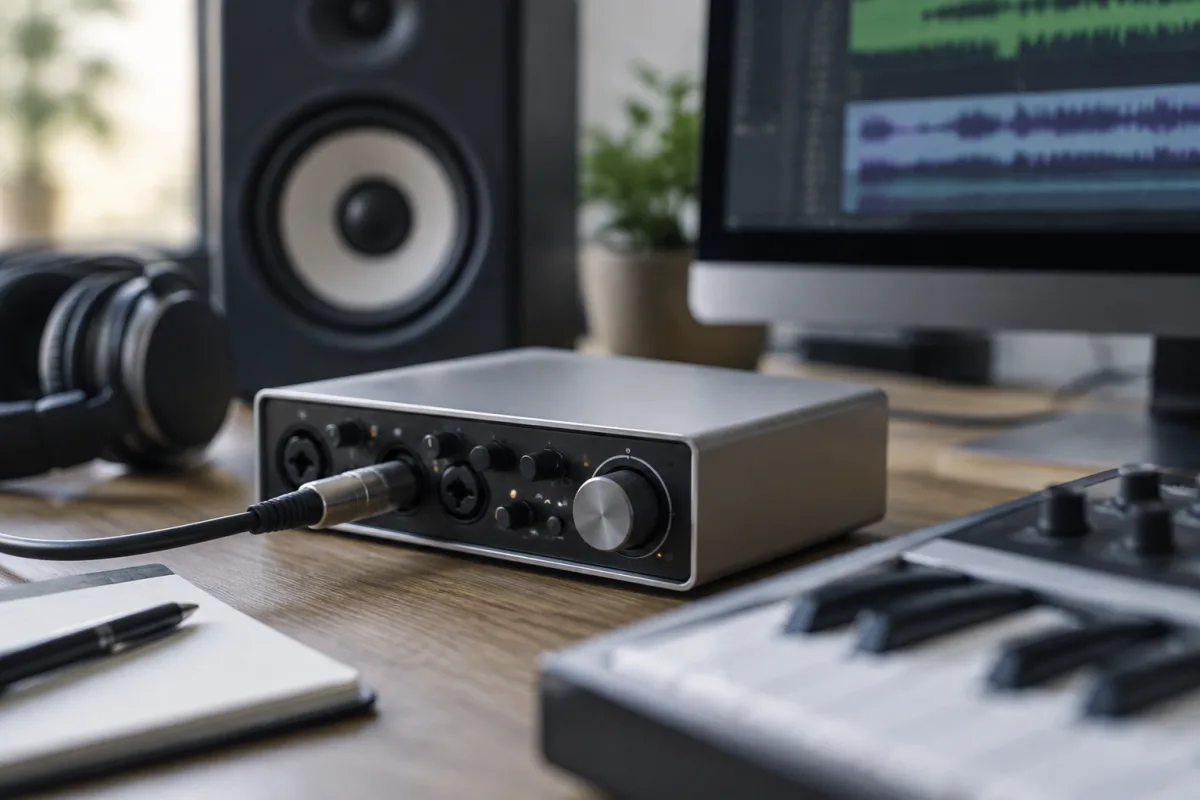
What Makes Steinberg Audio Interfaces Stand Out
Steinberg audio interfaces have become a cornerstone of modern home studios and professional recording setups across the UK and beyond. Whether you're a composer, producer, or session musician, choosing the right Steinberg audio interface can fundamentally shape your workflow and sonic possibilities. This guide walks you through everything you need to know about Steinberg audio interfaces, from core features to selecting the one that fits your needs.
The Steinberg Range: Understanding the Product Line
Steinberg offers a thoughtfully tiered range of audio interfaces, each designed for a specific budget and use case. The UR series—their most popular range—starts with the compact UR12 and scales up through the UR22mkII to the professional UR44C. Each step up brings additional I/O, preamps, and processing power.
Beyond the UR range, Steinberg produces the MR series for mastering and critical listening, and the Wavelink Broadcast series for streaming and content creation. Understanding where your needs fall within this spectrum is the first step toward a confident purchase.
Key Specifications to Check
When evaluating a Steinberg audio interface, several technical details matter most:
- I/O Count: How many simultaneous inputs and outputs do you need? The UR12 offers 2 in / 2 out; the UR44C provides 4 in / 4 out analogue plus digital I/O.
- Preamp Quality: Steinberg's preamps are built to a professional standard. The gain staging on most UR units is generous and low-noise.
- AD/DA Conversion: Steinberg interfaces use high-quality Yamaha converters, delivering clarity across the audio spectrum.
- Latency: Look for USB 2.0 or USB-C models; USB-C variants (like the UR-C series) offer lower latency and faster data transfer.
- Direct Monitoring: Hardware zero-latency monitoring is essential for recording vocalists and instrumentalists. All Steinberg UR models include this.
Connectivity and Compatibility
Modern Steinberg audio interfaces support both USB and USB-C connectivity. USB-C interfaces offer faster bus power delivery, lower latency, and future-proofing. All Steinberg units work seamlessly with Mac, Windows, and Linux systems via Cubase, Studio One, Logic Pro, Ableton Live, and every major DAW.
If you're using a laptop with limited USB ports, the compact form factor of the UR12 makes it portable without sacrificing sound quality. Larger studios benefit from the expanded I/O and build quality of professional UR models.
Integration with Cubase and Other DAWs
Steinberg interfaces integrate particularly well with Cubase, since both come from the same company. The combination offers seamless MIDI sync, lower latency, and sometimes bundled plugins. However, Steinberg audio interfaces work just as reliably with Logic Pro, Studio One, Reaper, and other professional DAWs. The driver stability across platforms is a consistent strength of the brand.
Build Quality and Durability
Steinberg interfaces are constructed to professional broadcast and studio standards. Metal chassis, solid connectors, and thoughtful internal design mean these units outlast cheaper alternatives by years. The knobs and faders feel substantial, and the fan-free operation keeps your studio quiet during recording sessions.
Budget Considerations
Steinberg audio interfaces typically sit in the mid to upper-mid price bracket. Entry-level options like the UR12 start around £150, while professional models can exceed £800. For most home recording setups and small studios, a UR22mkII or UR44C offers the best balance of features, build quality, and value. Always compare the cost against interfaces from other established brands; sometimes a competing unit at a similar price will have slightly more I/O or different routing options worth considering.
Real-World Reliability
Across recording studios and touring rigs throughout the UK, Steinberg audio interfaces earn consistent praise for reliability. Drivers are stable, firmware updates come regularly, and customer support is responsive. If an issue does arise, the company's warranty and support channels are among the industry's strongest.
Choosing Your Steinberg Audio Interface
Start by listing your requirements: How many microphones or instruments will you record simultaneously? Do you need MIDI I/O? Is portability essential, or do you want a permanent studio setup? Once you've answered these questions, the right model becomes clear. For a solo singer-songwriter or solo instrumentalist recording at home, the UR12 or UR22mkII will handle everything. For a small band, a composer needing multiple simultaneous inputs, or a mastering engineer, the UR44C or a MR series unit justifies the investment.
After Purchase: Getting the Best from Your Interface
Once your Steinberg audio interface arrives, download the latest driver immediately from the Steinberg website. Run the installer, restart your computer, and then open your DAW to confirm ASIO latency is low (typically under 5ms at 48 kHz with proper setup). Spend an hour adjusting the gain staging on each input channel until your loudest signal peaks just below the red zone. This foundation ensures every recording session starts with headroom and clarity.
Steinberg audio interfaces are engineered to deliver professional results in any studio, large or small. With careful attention to your exact needs and the specifications each model offers, you'll find a unit that serves your music-making for many years to come.



Comments