


Roland Audio Interface Buying guide
Roland Audio Interface: A Complete Buyer's Guide
Shopping for a Roland audio interface? This guide covers their MIDI features, different models, music production focus, and which suits your needs.
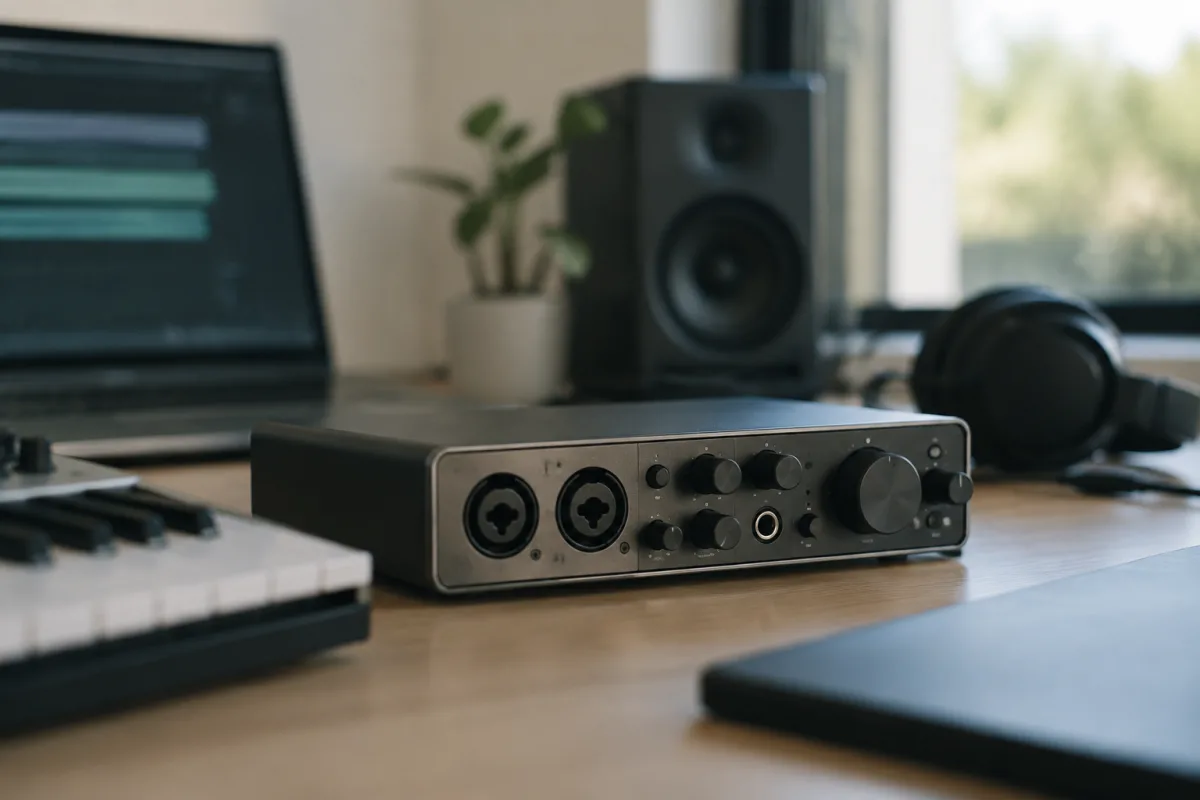
A Roland audio interface is a smart choice if you're recording keyboards, synthesizers, or MIDI instruments alongside traditional audio. Roland's long history designing music technology means their audio interfaces are built with musicians and music producers in mind. This buying guide covers what makes Roland interfaces suited to music production, which models deliver value, and what to evaluate before purchase.
Why Choose Roland
Roland is a company built on music technology—synthesizers, drum machines, and keyboards. Their audio interfaces reflect deep understanding of how musicians actually work. A Roland audio interface typically emphasises connectivity for MIDI controllers and synthesizers, integration with Roland's own hardware, and thoughtful design for music production workflows.
Unlike generic consumer audio interfaces, a Roland audio interface is designed specifically for musicians. This focus shows in features like independent MIDI I/O, dedicated control surfaces on some models, and tight integration with music production software.
Popular Roland Audio Interface Models
The Roland OCTA-CAPTURE is a professional eight-channel interface favoured by studios and producers. The Rubix22, Rubix24, and Rubix44 are mid-range options with thoughtful features for music production. The Tri-Capture and Duo-Capture are compact, portable options perfect for musicians on the move. The UA-4FX is a compact four-channel option ideal for project studios.
Each Roland audio interface is designed around specific needs. If you're gigging with laptops and controllers, a compact model like the Tri-Capture makes sense. If you're building a home studio with multiple synthesizers and instruments, a larger model like Rubix44 provides necessary I/O.
MIDI Connectivity
A distinguishing feature of Roland audio interfaces is robust MIDI I/O. Most models include 5-pin DIN MIDI in and out (in addition to USB MIDI). This matters if you're controlling Roland hardware synthesizers or receiving MIDI clock from a drum machine. For studio musicians and producers, dedicated MIDI connectivity is invaluable.
The USB MIDI connectivity on a Roland audio interface is equally solid—reliable integration with DAWs and music production software. Latency is low, and driver stability is excellent.
Audio Quality and Preamp Characteristics
Roland audio interfaces typically feature solid, straightforward preamps. They don't add character or colour—they're designed to capture clean audio from microphones, instruments, and line-level sources. The transparency makes them suitable for all recording styles, from vocals to drums to synth processing.
Noise floor is respectable across the range, though not quite at the premium level of interfaces like Audient. However, for the price, the audio quality is excellent.
Integration with Roland Hardware
If you own Roland hardware (synthesizers like the TR-8S, Jupiter-Xm, or other gear), integration with a Roland audio interface can be seamless. Some models include control surfaces that directly manipulate parameters on Roland gear, creating a unified studio setup. This integration is a major advantage if you're already invested in Roland equipment.
Build Quality and Design
Roland audio interfaces are built robustly. Metal construction, reliable controls, and thoughtful layout are standard. The interfaces feel professional without pretension. Portability is considered—even larger models are designed to be moved easily, with USB bus power options on many models.
Price Tier Comparison
| Model | Price Range | Channels | Best For |
|---|---|---|---|
| Tri-Capture | £200–£300 | 2 in / 2 out | Solo musicians, portable recording, minimal I/O. |
| Duo-Capture | £300–£400 | 4 in / 4 out | Home studio, multiple instruments, better connectivity than Tri. |
| Rubix22 / 24 | £350–£500 | 2/4 channels | Music production, MIDI control, mid-range sweet spot for most producers. |
| OCTA-CAPTURE | £800–£1200 | 8 in / 8 out | Professional studio, multi-track recording, maximum connectivity. |
Latency and Monitoring
Roland audio interfaces prioritise low latency for real-time MIDI triggering and soft synth playback. Direct monitoring is typically available on models with monitor control features. If you're playing soft synths or MIDI instruments while recording, low latency is critical—Roland handles this well.
Software and Driver Support
Roland drivers are generally stable and updated regularly. Compatibility with major DAWs (Logic, Ableton, Reaper, etc.) is excellent. On both Mac and Windows, Roland audio interface setup is straightforward. Some models include bundled software like virtual instruments or mixing tools, adding value.
Common Use Cases
If you're a keyboardist recording piano and synthesizers, a Roland audio interface fits naturally. If you're running a live electronics rig with multiple synths and controllers, Roland's MIDI connectivity and control surface integration is valuable. If you're primarily recording vocals and acoustic instruments, a Roland interface is perfectly capable but no more specialised than generic audio interfaces.
Comparison with Competitors
Roland competes with Universal Audio and Apogee for premium features, and with Focusrite and Behringer for budget options. Roland's advantage is typically MIDI connectivity and music production focus at reasonable prices. They're not the cheapest option, but the value for musicians is excellent.
For detailed information on Roland audio interfaces, MIDI integration, and music production workflow, explore our comprehensive guide to Roland audio interfaces.
Conclusion
A Roland audio interface is an excellent choice for musicians and music producers who value MIDI connectivity and thoughtful design for music-making. The combination of solid audio quality, robust MIDI features, and affordable pricing makes Roland a reliable investment. Whether you're building a home studio or seeking portable recording capability, a Roland audio interface delivers the features musicians actually use.



Comments