


Synthesizer Keys article
Synthesizer Keys for Beginners: A Complete Guide
Synthesizer keys might seem complex, but they're genuinely beginner-friendly. Our guide covers getting started, learning without theory overload, and building confidence fast.
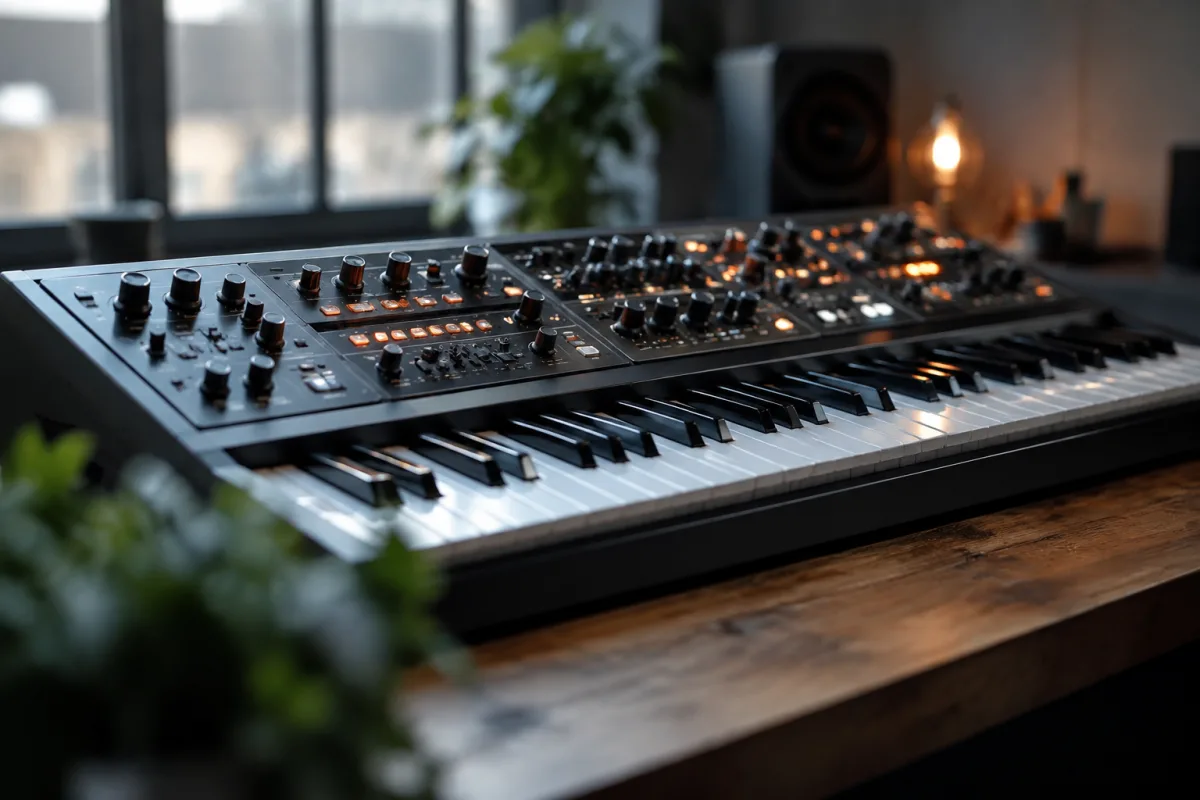
Synthesizer keys might seem like an intimidating first instrument. Endless menus, mysterious knobs, arcane synthesiser terminology—it feels complex before you even sit down. Here's the truth: synthesizer keys are not as complicated as they seem, and they're genuinely beginner-friendly if you approach them the right way. This guide walks you through everything a nervous first-timer needs to know: why synthesizer keys matter, how to approach learning without drowning in complexity, common mistakes that trap beginners, and how to build confidence in your first month.
Why Synthesizer Keys for Your First Instrument
Synthesizer keys offer something unique: they respond immediately to your playing, and they inspire sonic exploration from day one. Unlike traditional pianos where your sound is fixed, synthesiser keys let you shape tones, create textures, and feel genuinely creative before mastery. This is hugely motivating for beginners. You don't need to be technically proficient to make interesting sounds. That inspiration sustains practice through the early, sometimes frustrating phase of learning. If other instruments feel like slow slogs toward distant rewards, synthesizer keys deliver reward immediately.
Understanding What You're Getting: The Essential Principles
Don't let terminology intimidate you. Synthesizer keys operate on simple principles:
Oscillators: These generate basic waveforms—the raw sound. Think of them as the foundation that everything else shapes.
Filters: These remove or emphasise frequencies from the oscillator's signal. Filters are how you sculpt the tone from thin and bright to thick and dark.
Envelopes: These control how a sound evolves over time—how quickly it reaches peak volume, how it sustains, how it fades. This is what makes a bell sound like a bell and a pad sound like a pad.
Presets: Synthesiser makers have already done all this shaping for you. Hundreds of presets come with your synthesizer keys. Load them and play. Understanding the mechanics underneath comes later.
Beginners don't need to master synthesis theory. You need to know that your synthesizer keys have thousands of sounds inside. Most of your first year involves exploring presets and playing, not programming from scratch.
Your First Week: Presets and Exploration
When you first sit at your synthesizer keys, ignore every knob except the pitch wheel (if present) and velocity controls (if present). Select a preset—literally any one. Play a simple melody. Listen to how the sound responds. Change presets. Notice how different they sound. Spend three or four days just exploring presets and playing familiar melodies through different sounds. This exploration teaches you what synthesizer keys can do without requiring technical knowledge. Your nervous system begins associating playing with rewarding sounds. This builds confidence faster than learning theory.
Building Key Skills Without Theory Overwhelm
After your first week, you're ready for gentle learning. Don't rush. Your synthesizer keys usually include a tutorial or manual. Many have interactive tutorials built into the interface. Use them. They introduce concepts in digestible pieces. You'll learn that tweaking a filter changes brightness, that moving an envelope slider affects how a sound evolves. This is learning by doing—much more effective than reading about synthesis theory. Your hands learn faster than your brain understands.
Common Beginner Mistakes With Synthesizer Keys
Assuming you need to understand synthesis before playing. This is backwards. Play first, understand later. Many legendary synthesist players never mastered theory. They played, discovered, and developed intuition. Follow that path.
Overwhelming yourself with menu diving. Synthesizer keys have menus. Lots of them. Beginners often dive into menus searching for hidden sounds or features. Most of what you need is immediately accessible. Menus are for later. Start with front-panel controls and presets.
Assuming every knob needs adjustment. It doesn't. A synthesizer preset is a complete sound. Tweaking several knobs trying to "improve" it often makes it worse. Change one thing at a time and listen. Learn how each control affects the sound. This is the path to genuine understanding.
Neglecting velocity and dynamics. Synthesizer keys respond to how hard or soft you play. Beginners sometimes play with constant force, producing robotic results. Vary your playing dynamics. The instrument responds with expressivity. This transforms playing from mechanical to musical.
Ignoring learning resources. Free YouTube tutorials, manual walkthroughs, and community forums are rich with beginner-friendly guidance. Don't learn in isolation. Watch others play your synthesizer keys. It accelerates learning significantly.
Understanding Your Synthesizer Keys' Specific Quirks
Every synthesizer keys brand has slightly different layouts and naming conventions. Korg calls something "Filter" while Moog might call it "Tone". Yamaha's layout differs from Elektron's. Your specific synthesizer keys has its own logic. Spend time learning its particular interface rather than trying to apply knowledge from another brand. The manual is your friend. Spend time reading it. Watching tutorial videos for your specific model accelerates learning vastly. You'll progress faster understanding your instrument than trying to learn "synthesiser keys in general."
The MIDI Revolution: Expanding Your Possibilities
Many synthesizer keys support MIDI—a protocol allowing connection to computers, other instruments, and controllers. Beginners often ignore MIDI initially. This is fine. MIDI is an advanced topic. After weeks of playing your synthesizer keys standalone, curiosity about MIDI usually emerges naturally. When it does, you'll be ready. For now, consider MIDI an optional future expansion, not something you need immediately.
Your First Melodies and Harmonic Exploration
Most synthesizer keys have pre-programmed chord progressions or arpeggiators—devices that automatically create rhythmic patterns. These are training wheels that support melodic exploration. Use them. They let you create interesting music before mastering your instrument's subtleties. After a few weeks, turn off the training wheels and try creating your own chord progressions. This is where genuine composition begins.
Maintenance and Care of Your Synthesizer Keys
Synthesizer keys are robust. Basic care keeps them performing. Dust them weekly with a soft cloth. Keep food and drink away from the keyboard. Store them in a temperature-controlled environment. Keys occasionally stick—this is normal and usually resolvable with gentle cleaning. If something stops working, consult the manual or seek professional service rather than attempting repairs yourself. A well-maintained synthesizer keys lasts decades.
Connecting to Other Gear: The Gradual Expansion
Your first synthesizer keys might stand alone. After months of playing, you might add a sustain pedal for expressive control, connect to a computer for recording, or add external effects. These are optional expansions, not necessities. Many players create stunning music with just a synthesizer keys and nothing else. Resist the urge to buy every accessory. Mastery comes from deep engagement with your instrument, not gear accumulation.
Building Your Personal Sound
After a few months of playing presets, you'll start tweaking them. This is the beginning of developing your personal sound—the unique tonal character that emerges from how you shape your synthesizer keys. Don't rush this. It develops gradually through playing and experimentation. Six months in, you'll notice your favourite preset tweaks. A year in, you'll be creating custom sounds that reflect your musical sensibility. This evolution is the joy of synthesiser playing.
Your Synthesizer Keys Adventure Begins
Synthesizer keys are genuinely beginner-friendly if you approach them with patience and curiosity. Start by exploring presets. Play melodies through different sounds. Gradually learn how knobs shape tones. Watch tutorials for your specific model. Join communities of synthesizer players. Most importantly, play daily. Your hands learn through repetition and discovery. Within weeks, your synthesizer keys stops feeling intimidating and starts feeling like an extension of your musical imagination. For deeper exploration into synthesis, sound design, and advanced synthesizer playing, see our complete guide to synthesizer keys.
Your First Month Checklist
Week one: Explore presets and play melodies through different sounds. Week two: Learn basic preset tweaking—change one knob at a time and listen. Week three: Attempt creating simple original melodies. Week four: Connect to external speakers or headphones if not already done, and explore recording options. Feel steady progress rather than rushing mastery.



Comments