


Synthesizer Keys Buying guide
Synthesizer Keys: A Complete Buyer's Guide
Shopping for synthesizer keys? Learn about key action types, whether you need weighted keys, and how to choose the right size for your needs.
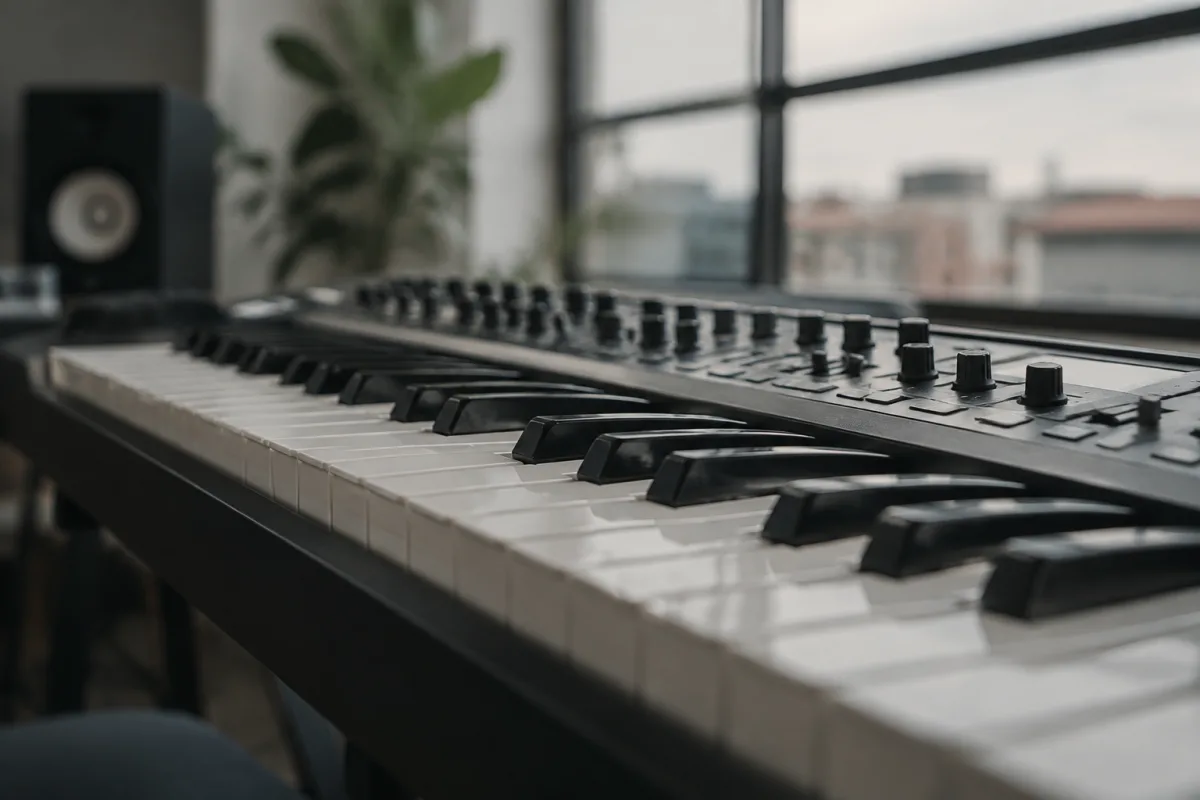
Synthesizer keys are the interface between your musical ideas and sound—yet choosing them can feel bewildering. Do you need weighted keys or are unweighted acceptable? Full 88 keys or is 49 enough? What's the difference between fully-featured synthesizers and affordable entry-level models? Before committing several hundred or thousand pounds, you need to understand what matters, which features genuinely serve your workflow, and which are marketing smoke. This guide covers the essential buying considerations for synthesizer keys.
Understanding Synthesizer Key Types and What They Mean
Synthesizer keys come in three main flavours, each with different feel and application.
Unweighted Keys (Synth Action). Light, responsive keys with minimal resistance. These are standard on most affordable synthesizers and controllers. Pros: fast response, ideal for electronic music, drum machine-style playing. Cons: feel nothing like a piano and offer limited velocity variation unless you're precise. Unweighted keys suit producers, electronic musicians and anyone playing synth pads, arpeggios and rhythmic sounds.
Weighted Keys (Hammer Action). Heavier keys that simulate piano action—they resist when you press down and require technique to control velocity dynamically. Pros: pianos-like familiarity, excellent for expressive playing and detailed dynamics. Cons: slower response, unsuitable for fast synth work, cost significantly more. Weighted keys suit classically trained pianists and anyone recording melodic, expressive lines.
Semi-Weighted Keys. A middle ground—moderate resistance with reasonable response speed. Good compromise for players who want some piano feel without sacrificing synth responsiveness. Cost and feel are in the middle of the range.
Your choice depends entirely on your playing background and what you'll actually do with the synthesizer. A guitarist switching to keys doesn't need weighted action; a classically trained pianist will hate unweighted synths. Be honest about your needs rather than defaulting to "better" weighted keys if unweighted actually suit you.
Keyboard Size: Finding the Right Range
49 Keys. Compact, affordable, travel-friendly. Limited pitch range (less than four octaves) but perfectly adequate for electronic production, gigging and limited harmonic needs. Best for studio work, bedroom producers and travelling musicians.
61 Keys. The sweet spot for many players—full five-octave range with reasonable footprint. Flexible for most music genres, gigging setup and studio use. Affordable enough without major portability sacrifice.
88 Keys. Full piano range, essential for serious pianists and anyone recording symphonic arrangements. Heavy and expensive. Only necessary if you truly need the full piano range regularly.
Resist overshooting. A 49-key synth suits most producers and electronic musicians better than an 88-key behemoth gathering dust in a corner because it's too big to move. Upgrade when you genuinely need more range, not speculatively "just in case."
Essential Specifications to Compare Before Buying
Sound Engine and Synthesis Type. Do the synthesizer keys come with onboard synthesis (subtractive, FM, wavetable, granular) or are they a controller for external software? Onboard synthesis works standalone; controllers require a computer and DAW. Decide your workflow first. Gigging musicians need standalone; bedroom producers might prefer controllers.
Polyphony. How many notes can sound simultaneously? Entry-level synths might manage 32 or 64-note polyphony; premium units offer 128+ or even unlimited. For electronic production, 64+ is sufficient. For string pads and complex textures, higher polyphony matters more.
Built-In Sounds and Presets. Entry-level synthesizer keys include basic presets (piano, strings, synth pads); premium models offer deeper sound libraries and better quality. If you're starting out, basic presets suffice—you'll spend most time learning the instrument, not programming complex sounds.
Sequencer and Arpeggiator. These tools help you create rhythmic patterns and sequences without constant playing. Useful for electronic production but not essential if you prefer playing everything. Evaluate based on your creative process.
Budget Tiers and Real Value Considerations
Budget Tier (£200–£600). Entry-level 49- or 61-key synthesizer keys with basic sound engines and presets. Perfect for beginners, bedroom producers and hobbyists. Expect unweighted or semi-weighted keys, basic controls and limited features. Good value for learning fundamentals.
Mid-Range Tier (£600–£1,500). Proper synthesizer keys with better sound engines, reasonable build quality and more features. 61-key models with weighted or semi-weighted action. Suitable for serious hobbyists, small venue gigging and home recording. Real quality here—a significant jump from budget tier.
Professional Tier (£1,500–£5,000+). Premium synthesizer keys with exceptional sound engines, full 88-key weighted action, comprehensive features and professional build. Essential for touring musicians, recording studios and those demanding premium feel and sound. Resale value decent if well-maintained.
Most players should aim for mid-range. Budget models grow frustrating; professional tiers offer marginal improvements that don't justify the cost for non-professionals. Mid-range delivers genuine quality without excess expense.
New vs. Used Synthesizer Keys: Reliability and Warranty
Electronic instruments degrade gracefully but can have mechanical issues. Weighted key mechanisms wear over years of heavy use; circuit boards occasionally fail. New synthesizer keys include warranty (typically 1–3 years). Used models need careful inspection.
When buying used, test every key for responsiveness, check that sounds trigger properly and listen for crackling from potentiometers (pots). Keys that feel mushy or unresponsive indicate mechanical wear. Avoid heavily used units unless priced accordingly. Budget £300–£500 for professional service if buying used expensive gear.
Connectivity and Your Workflow
Ensure synthesizer keys include USB MIDI output (standard now) so they work with your DAW and computer setup. Consider whether you need audio outputs (most do) and whether CV/gate connections matter for your gear collection. 5-pin DIN MIDI connectors are becoming rare but still valuable if you have older gear.
If you're primarily producing in a DAW, a controller keyboard (MIDI-only) works perfectly and costs less than a synthesizer with sounds. If you gig live, onboard sounds matter—you can't rely on a laptop crashing during a performance.
Practical Considerations: Portability and Studio Placement
If you're gigging regularly, weight and footprint matter enormously. A 88-key weighted synthesizer (50kg+) requires dedicated transport. A 49-key portable model (8kg) fits in a car easily. Be realistic about how you'll physically move your instrument before you buy.
For studio work, placement and stand requirements matter. Most synthesizer keys sit on dedicated stands (typically included or sold separately). Ensure your studio space actually accommodates the size you're considering.
Conclusion: Choosing Synthesizer Keys That Match Your Reality
The right synthesizer keys are ones you'll actually play regularly—not a premium model sitting unused because it's too heavy to move or too expensive to risk gigging. Identify your actual playing context (bedroom production, gigging, studio work), choose appropriate key type (weighted for piano backgrounds; unweighted for electronic musicians), select a size that fits your physical space and workflow, and buy quality within your budget tier. A honest mid-range choice you'll use daily beats an aspirational premium instrument gathering dust. Play synthesizer keys in person before committing—the feel under your fingers matters more than specs on paper.


Comments