


Piano Pedal article
Piano Pedal for Beginners: A Complete Guide
Using a piano pedal feels intimidating at first, but you'll master the sustain pedal within weeks. This beginner guide covers first steps, mistakes to avoid, and when to use each pedal.
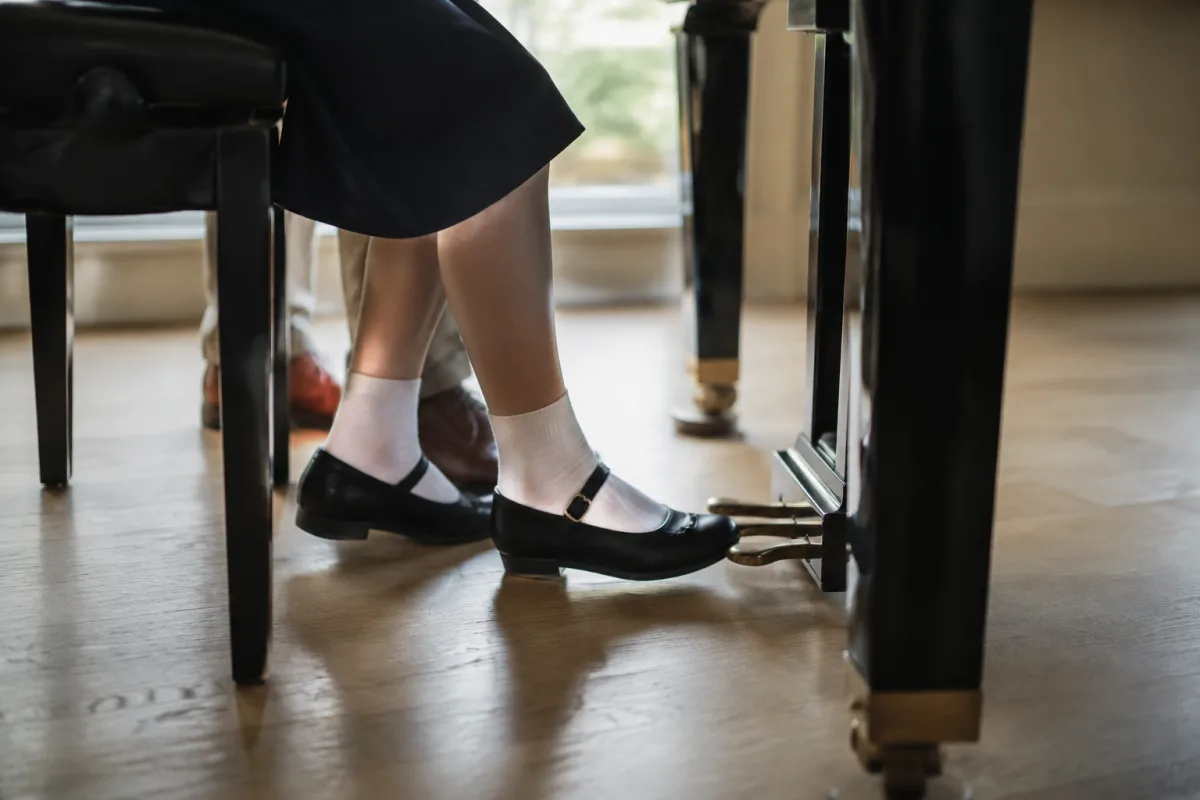
Learning to use a piano pedal feels mysterious at first, but mastering them transforms your playing and opens new musical possibilities. This beginner's guide demystifies piano pedals with encouragement, practical first steps, and common mistakes to sidestep.
Don't Fear the Piano Pedal
Many beginning pianists worry that using a piano pedal correctly is difficult or requires years of training. This fear is unfounded. Your musical instincts already guide you toward understanding how a piano pedal works. You'll feel confident using pedals within weeks of consistent practice. Start slowly, focus on one piano pedal at a time, and listen carefully to what happens when you use it. That's genuinely all you need initially.
The Three Piano Pedals Explained Simply
Most pianos have three piano pedals, though their names vary by style. Understanding what each does removes confusion:
- Right pedal (sustain): This piano pedal extends sound duration. When you release a key, the note continues ringing. It's the pedal beginners use most often.
- Left pedal (soft): This piano pedal reduces volume and alters tone colour. Press it before playing soft passages for a gentler sound.
- Middle pedal (sostenuto): This piano pedal sustains only selected notes. Beginners rarely use it—save this for later exploration.
Focus exclusively on the right sustain piano pedal during your first weeks. Master that before exploring the others.
Your First Steps with the Sustain Piano Pedal
Begin with the easiest, most intuitive approach:
Step 1: Play a single note
Press middle C and listen as it fades naturally. This teaches you the piano's normal sound decay.
Step 2: Use the piano pedal while the note rings
Play middle C again. Just before it fully fades, press the sustain piano pedal with your foot. The note magically continues ringing. Release the piano pedal and listen as the sound finally stops. This simple experience reveals the pedal's magic immediately.
Step 3: Experiment with timing
Play a chord (say, C major). Press the sustain piano pedal just as you release your fingers. The chord sustains. Try pressing the piano pedal slightly earlier or later. Listen to the differences. Your ears will naturally guide your timing.
Step 4: Use the piano pedal in simple melodies
Play "Mary Had a Little Lamb" or another simple tune. Press the sustain piano pedal between phrases, release it when starting a new phrase. This creates legato (smooth, connected) playing.
Common Beginner Mistakes with the Piano Pedal
Knowing what pitfalls to avoid accelerates your progress:
Holding the Piano Pedal too long
Beginning pianists often press the sustain piano pedal and hold it indefinitely, creating muddy, blended sounds. The piano pedal works best in short, strategic bursts. Press it when you want sound to continue, release it when you want clarity. Think of the piano pedal as a tool you control consciously, not background music.
Forgetting to synchronise the piano pedal with your hands
Ideally, press the sustain piano pedal just as you release a note or chord. Pressing it early sustains extra, unwanted sound from previous notes. Pressing it late misses the sustain moment. This timing improves naturally with practice, so don't stress—your instincts will guide you quickly.
Using the piano pedal on every passage
Beginners sometimes think the sustain piano pedal should be active constantly. Actually, music needs contrast. Use the piano pedal on romantic or slow passages. Release it for crisp, bright sections. This dynamic use of the piano pedal is what creates musical interest and expression.
Ignoring foot position
Proper piano pedal technique uses your heel on the floor and your toes on the pedal. This gives you precise control. If you hang your foot in the air, you'll lose stability and precision. Plant your heel firmly for confident piano pedal control.
When to Use the Sustain Piano Pedal
As you develop instincts, recognise these ideal piano pedal moments:
- Ballads and slow pieces: These benefit most from sustain. The piano pedal fills silence between phrases with continuous tone.
- Chord changes: Use the piano pedal to smooth transitions between chords, creating legato flow.
- Emotional passages: When a piece requires warmth or depth, engage the sustain piano pedal.
- Classical romantic era pieces: Chopin, Liszt, and Brahms composed expecting sustain piano pedal use. You'll recognise these moments as you play.
When NOT to Use the Sustain Piano Pedal
Equally important is knowing when to release the piano pedal:
- Fast passages: Rapid notes blur together if sustained. Release the piano pedal to keep notes clear.
- Arpeggios: These sound best without sustain, as each note's attack should be distinct.
- Bright, cheerful pieces: These gain nothing from sustain and often sound worse with it.
- When reading new music: Learn pieces without the sustain piano pedal first. Add it later once you're comfortable.
Listening is Your Greatest Teacher
Record yourself playing simple passages with and without the sustain piano pedal. Listen back carefully. You'll immediately hear how the piano pedal changes the sound. This self-awareness accelerates learning far faster than any written rule. Play the same phrase twenty times—each with slightly different piano pedal timing. Your ears will train your feet.
The Soft Pedal: Your Second Step
Once the sustain piano pedal feels natural (usually within 2–3 weeks of regular practice), explore the soft piano pedal. This left pedal reduces volume softly. Use it for tender passages and delicate moments. Press it before playing, not during—the effect works best when established early in a phrase.
Addressing Frustration
Some beginners feel frustrated when their pedal technique sounds muddled initially. This is completely normal. Piano pedal control requires subtle muscle memory that develops through consistent practice. Playing pieces five minutes daily with focused pedal attention beats cramming an hour weekly. Your foot will learn its job naturally.
Sheet Music and Piano Pedal Markings
Once you're comfortable using the sustain piano pedal, you'll notice markings in sheet music. "Ped." indicates when to press, and an asterisk (*) shows when to release. Don't let these symbols intimidate you—treat them as suggestions, not commandments. Your ears and musical instincts often guide you better than notation.
Ready to explore more about piano pedals? Visit the complete guide to piano pedals for deeper technical details and advanced techniques.
Your Confident Path Forward
You're learning an essential skill that separates basic pianists from expressive ones. Start with single notes and the sustain piano pedal. Listen carefully to changes. Experiment boldly. Make mistakes—they're the fastest path to confidence. Within weeks, using a piano pedal will feel as natural as your hands on the keys. You've got this.



Comments