


Piano Pedal Buying guide
Piano Pedal: A Complete Buyer's Guide
Learn how to buy the right piano pedal for your instrument. This guide covers pedal types, specifications, compatibility, and pitfalls to help you make an informed choice.
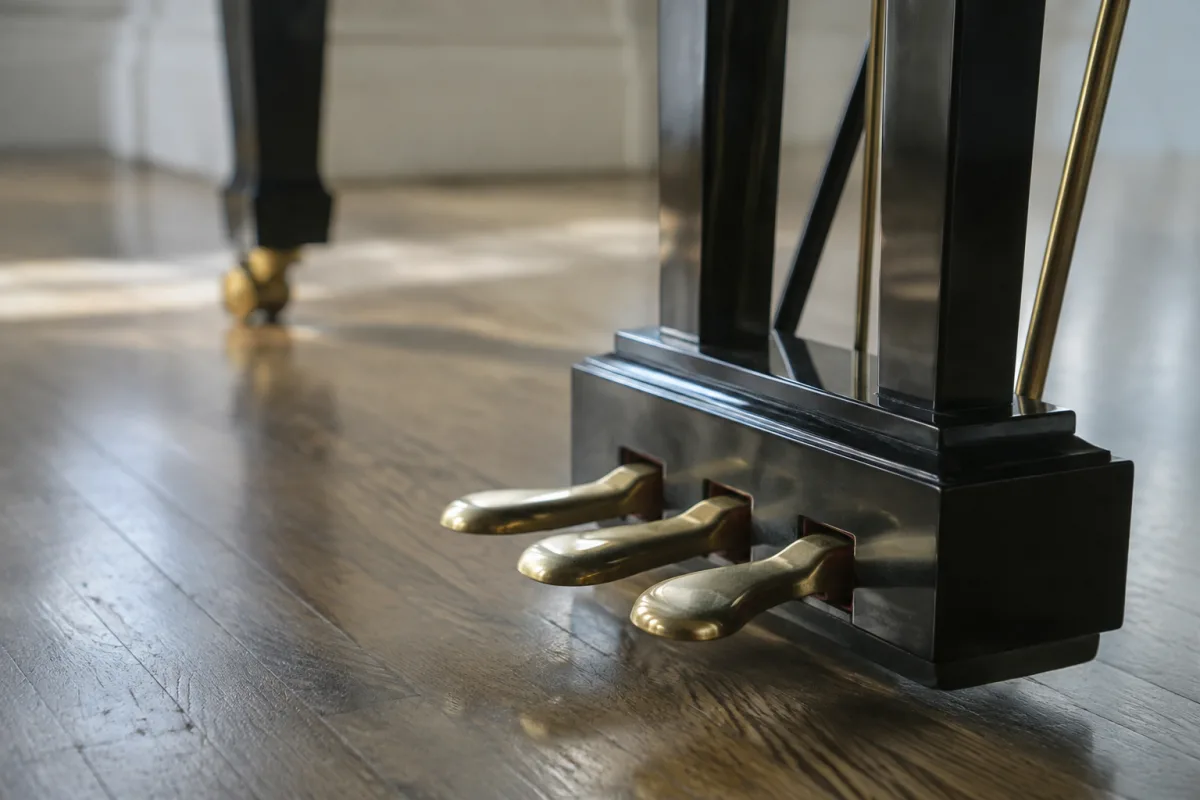
Whether you're shopping for a replacement piano pedal or upgrading your instrument's pedal system, understanding what separates quality options from budget alternatives can significantly impact your playing experience. A piano pedal might seem like a simple component, but its construction, responsiveness, and durability directly influence how your instrument sounds and feels. This buyer's guide covers the essential features, purchasing considerations, and common pitfalls that affect piano pedal selection, helping you choose an option that enhances rather than compromises your performance.
Types of Piano Pedals and Their Purpose
Before buying a piano pedal, it's worth understanding what each one does, because the right choice depends on your instrument and goals.
Sustain Pedal
The sustain pedal (far right) is the most-used pedal and what most players mean when discussing a piano pedal. It lifts the dampers from the strings, allowing notes to ring after you release the keys. Quality matters here because a high-end piano pedal sustain mechanism ensures smooth engagement and prevents sticking at extreme angles.
Soft Pedal
The soft pedal (far left) shifts the entire keyboard sideways so that hammers strike fewer strings. On acoustic pianos, this physically reduces volume. When buying a piano pedal replacement for this position, ensure it's designed to hold position reliably, because a sluggish soft pedal frustrates performers.
Middle Pedal
Function varies by piano type. On grands, it's the sostenuto pedal (sustains selected notes). On uprights, it's often a practice pedal (reduces volume without shifting keys). A piano pedal choice here depends entirely on your instrument type—mismatching can waste money.
Key Specifications When Buying a Piano Pedal
Once you've identified which piano pedal you need, these specs determine overall quality and longevity.
Pedal Mechanism and Responsiveness
The best piano pedal combines smooth motion with positive engagement. Springs should be firm enough to return the pedal quickly yet not so stiff that playing becomes fatiguing. Test a piano pedal in person by engaging it repeatedly—any squeaks, stiffness, or sluggish return suggest poor mechanism quality. Pro-grade piano pedal systems use precision-engineered springs and bearing surfaces; budget options often skip this refinement.
Material Construction
Wood, steel, and cast iron are common materials for piano pedal levers and frames. Cast iron or steel pedal bases resist warping and provide long-term durability. A piano pedal with a flimsy wooden base might crack under foot pressure within months. Feel the weight and sturdiness when evaluating—heavier piano pedal components typically indicate quality craftsmanship.
Damper Rod and Connection Quality
Inside the piano, the piano pedal connects to damper rods via a mechanical linkage. This connection must be precise; sloppy connections create noise and reduce sustain effectiveness. When buying a replacement piano pedal, verify that the damper rod threads are cleanly cut and connections sit flush—these details determine whether a piano pedal performs like the original or feels loose and unsatisfying.
Foot Traction and Comfort
A good piano pedal offers enough friction that your foot doesn't slip during rapid engagement. Rubber or felt-lined surfaces grip better than bare wood or plastic. Height and angle matter too; a piano pedal that's too high or angled poorly creates discomfort, especially during long performances.
Compatibility and Installation Considerations
Buying the wrong piano pedal for your instrument wastes money and creates frustration. Before purchasing, verify compatibility carefully.
Acoustic vs. Digital Piano Pedals
Acoustic piano pedals are mechanical and install directly into the piano action. Digital piano pedals are typically separate units that connect via cable or wireless connection. These are not interchangeable; a piano pedal designed for an acoustic instrument won't work on a digital model, and vice versa. Confirm your piano type before shopping.
Standard vs. Specialized Configurations
Most acoustic piano pedals follow standard dimensions and connection methods, but some grand pianos or specialty upright pianos have unique requirements. High-end piano pedal systems may use Renner, Kawai, or other brand-specific mechanisms. If your piano is premium or vintage, consult the manufacturer before buying a replacement piano pedal.
Professional Installation
Installing a replacement piano pedal isn't a DIY job for most players. Expect to pay £50–150 for professional installation, depending on your location and piano complexity. When budgeting for a piano pedal purchase, factor in this labour cost—attempting installation yourself risks damaging the instrument.
What to Avoid When Buying a Piano Pedal
Certain decisions lead to disappointment or expense. Steer clear of these common mistakes:
- Buying without confirming specifications: An incompatible piano pedal won't fit or function. Always verify part numbers or consult your piano's manual before purchasing.
- Opting for the cheapest option: Budget piano pedal units often squeak, stick, or fail within a year. Spending an extra £30–50 on a quality option saves frustration and future replacement costs.
- Assuming all sustain pedals are identical: Sustain pedal responsiveness and smoothness vary widely. A piano pedal that's too sensitive causes sustain to engage accidentally; one that's too stiff becomes tiring. Test before buying if possible.
- Neglecting foot comfort: A piano pedal with poor traction or awkward height disrupts your technique and causes foot fatigue. This isn't a trivial issue if you perform regularly.
- Forgetting about damper noise: A poorly constructed piano pedal can cause audible clicks or pops as dampers engage and disengage. Quality construction minimises these sounds.
Price Tiers and Value
Piano pedal pricing reflects construction quality and materials used.
Budget Range (£40–80)
Entry-level piano pedal options work adequately for casual players or temporary replacements. However, budget options often exhibit stiffness, squeaking, or sluggish return. If you're buying a piano pedal for regular practice or performance, this tier rarely offers satisfying long-term value.
Mid-Range (£80–150)
Quality piano pedal options at this price point offer smooth mechanics, durable construction, and comfortable foot feel. Most serious pianists choose this tier because it balances affordability with reliable performance. A mid-range piano pedal typically lasts 10+ years without issue.
Premium (£150+)
High-end piano pedal systems from specialist manufacturers feature precision engineering, premium materials, and customisation options. These suit professional performers and valuable instruments where durability and performance are non-negotiable.
Making Your Piano Pedal Purchase
When you're ready to buy a piano pedal, confirm your instrument's type and model, research compatibility thoroughly, and choose a reputable seller. If possible, test different piano pedal options in person to feel the responsiveness and foot comfort. Budget for professional installation unless you're confident in your mechanical skills. For broader context about piano pedals and their role in your instrument, explore the complete guide to piano pedals.
A quality piano pedal is an investment in your instrument's voice and your playing comfort. Choose wisely, and your piano will thank you with years of responsive, satisfying performance.


Comments