


Light Up Keyboards Piano Buying guide
Light Up Keyboards Piano: A Complete Buyer's Guide
Light up keyboards pianos are motivational learning tools. This guide covers LED technology, actual learning effectiveness, key specifications, price tiers, and what to prioritise when buying.
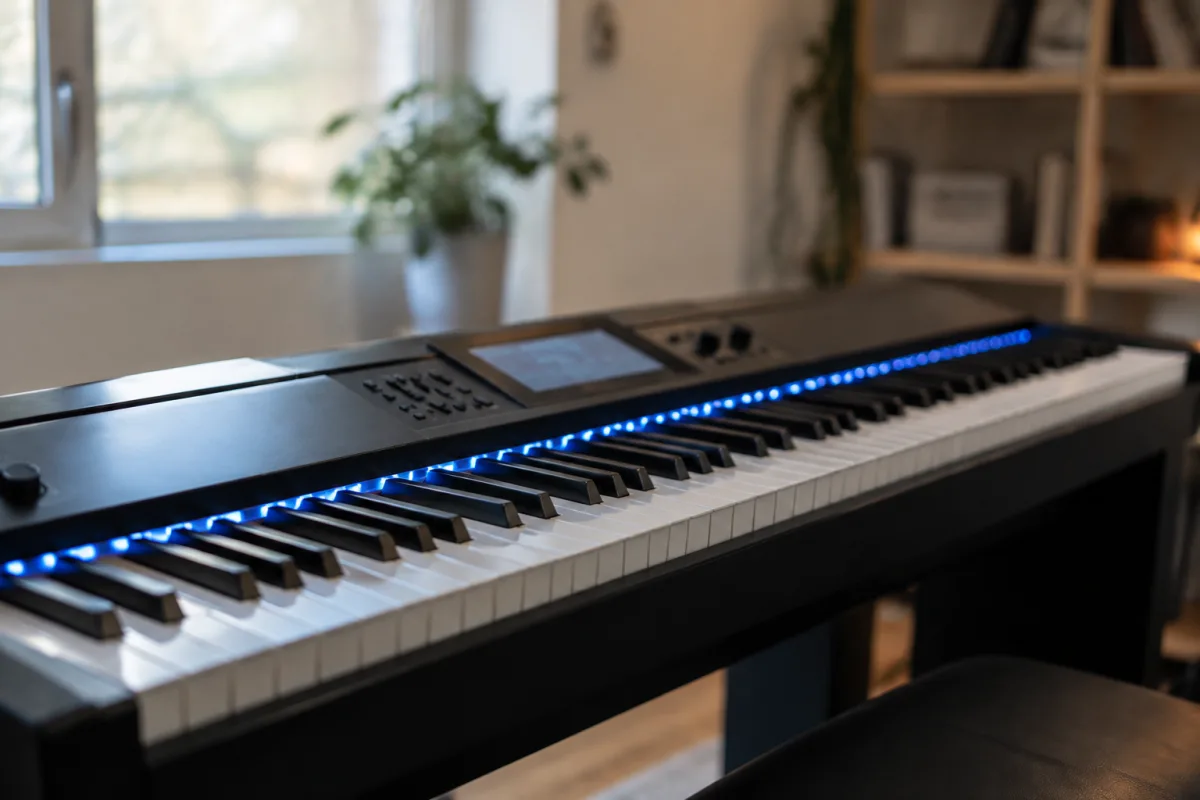
Light up keyboards pianos have become increasingly popular as learning tools and motivational instruments for beginners. The illuminated keys promise to guide fingers to the correct notes and make learning more interactive. Before investing in one, it's important to understand what these keyboards actually offer, which models deliver genuine educational value, and which are primarily novelty items. This guide covers the essential factors to consider before purchasing a light up keyboard piano.
Understanding How Light Up Keyboards Pianos Actually Work
Light up keyboards use LED technology to highlight which keys to press, typically syncing with lesson software or built-in tutorials. The concept is appealing: visual feedback helps beginners learn faster without needing to read sheet music initially. However, the reality is more nuanced. Most light up keyboards rely on memorising sequences rather than developing genuine piano reading skills. The light guidance works for simple songs, but students still need to learn note reading eventually. Understanding this limitation before purchasing prevents frustration when learners hit the inevitable transition point where lights can't guide them further.
Key Specifications to Evaluate
| Feature | What Matters | Importance |
|---|---|---|
| Number of Keys | 25, 49, 61, or 88 keys | More keys offer fuller musical range; 61+ recommended for serious learning |
| Key Action | Weighted, semi-weighted, or unweighted | Weighted keys train proper piano technique; unweighted feels wrong to trained pianists |
| LED Brightness and Visibility | LED intensity and colour clarity | Poor visibility defeats the purpose; check under various lighting conditions |
| Lesson Software Quality | Built-in vs. app-based lessons | Better software engagement leads to faster learning and sustained practice |
| Sound Quality | Piano samples and instrument variety | Poor sounds make practice tedious; adequate quality maintains motivation |
| Speaker System | Integrated or external amplification | Weak speakers limit practice enjoyment; external options add cost |
Critical Decision: Are You Buying for True Learning or Novelty?
This question determines your budget and which model suits you. If a child or adult is genuinely committed to learning piano properly, invest in a mid-range light up keyboard with weighted or semi-weighted keys, adequate lesson software, and at least 61 keys. The light guidance helps initially, but the underlying keyboard quality matters more as the player progresses.
If you're buying primarily to motivate casual playing or musical exploration without serious learning intent, budget models with simple light guidance are adequate. Just accept that the learning experience is limited and the keyboard will eventually be outgrown.
Light Up Technology Quality and Reliability
LED systems vary significantly in brightness, reliability, and lifespan. Budget models sometimes use dim LEDs that are barely visible in normal room lighting, making them ineffective for guidance. Professional-grade systems use brighter, more reliable LEDs that maintain brightness over thousands of hours of use. Read user reviews specifically about LED visibility under various lighting conditions and long-term reliability before purchasing.
Reliability also matters: cheap LED systems sometimes develop dead pixels or inconsistent brightness. This happens more frequently in budget models used intensively by enthusiastic learners. If durability matters for your use case, invest in better quality to avoid frustration and replacement costs.
The Real Purpose of Light Up Keyboards: Motivation or Learning?
Be honest about your primary goal. Light up keyboards excel at motivating beginners to practice consistently. The visual feedback and game-like elements keep practice sessions engaging. However, they're not superior learning tools—they're motivational tools that make learning more fun. A highly motivated learner with a light up keyboard often progresses faster than an unmotivated learner with a professional acoustic piano.
The sequence-memorisation aspect is actually fine for initial motivation. Once motivation is established and fundamentals are learned, transitioning to traditional keyboards and reading sheet music becomes manageable. Think of light up keyboards as training wheels that you outgrow, not as permanent solutions.
Price Tiers and Quality Expectations
Budget tier (£100–£250): Compact models (25-49 keys) with basic LED systems and simple lesson software. Suitable for testing interest and casual musical exploration. Limited learning depth; keyboard quality is basic but functional.
Mid-range tier (£250–£600): Full-size keyboards (61-88 keys) with reliable LED systems and decent lesson apps. Better sound quality, more realistic key action, and genuine educational value. Recommended for serious learning intentions.
Premium tier (£600+): Professional-grade light up keyboards with weighted keys, extensive lesson libraries, and high-quality construction. Expensive but justified only if learning piano properly is the priority.
Common Mistakes When Buying Light Up Keyboards Pianos
First mistake: overestimating the learning effectiveness of the lights. They're motivational tools, not substitutes for actual practice and instruction. Good teachers or comprehensive lesson apps matter more than flashy LED systems.
Second: buying insufficient key count (25 or 49 keys). Limited keyboard range frustrates learners and creates false ceiling on what can be played. Invest in at least 61 keys if any serious learning is intended.
Third mistake: ignoring key action quality. Unweighted keys feel completely different from acoustic pianos. If transitioning to acoustic piano is eventual goal, weighted or semi-weighted keyboards train proper technique from the start.
Fourth: choosing based primarily on light effects rather than overall keyboard quality. A keyboard with mediocre sounds and weak speakers remains frustrating to play regardless of how pretty the lights are. Prioritise instrument quality over visual novelty.
Connectivity and Learning App Integration
Modern light up keyboards often connect to tablets or computers, syncing lights with lesson apps. This offers flexibility and access to diverse learning content. Check whether the keyboard pairs reliably with common devices and whether lesson apps are regularly updated. Poor app quality or unreliable connectivity defeats the purpose of having digital integration.
Making Your Purchase Decision
First identify your actual learning goal and commitment level. Budget accordingly: casual exploration requires less investment than serious learning. Research models specifically praised for LED reliability and light visibility in normal lighting. Read reviews from people learning piano, not just casual players. If you're teaching a child, consider whether traditional keyboards might be equally effective while costing less.
For comprehensive information on light up keyboards pianos, their capabilities, and applications, see our complete guide to light up keyboards pianos.
Final Perspective on Light Up Keyboards Pianos
These keyboards are genuinely useful motivational tools for beginners, particularly children who need engaging learning experiences. However, they're not magical learning solutions. A light up keyboard combined with consistent practice and decent instruction produces good results. A light up keyboard with sporadic practice and no guidance produces minimal progress regardless of LED brightness. Choose based on genuine learning needs, prioritise keyboard quality over light effects, and use the lights as motivation rather than relying on them as primary instruction.


Comments