


Thumb Piano Buying guide
Thumb Piano: A Complete Buyer's Guide
Choosing your first thumb piano doesn't require expertise. This guide cuts through the noise and shows you exactly what matters when buying.
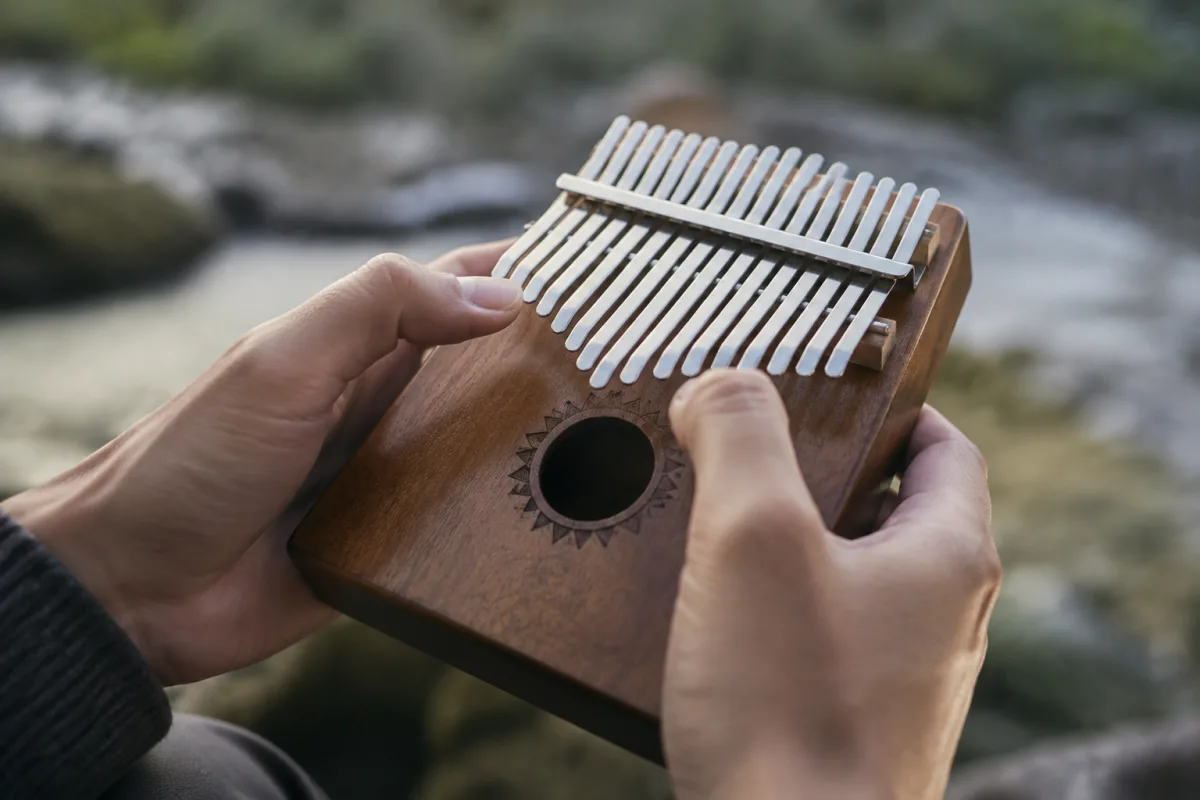
Thumb pianos (kalimbas) have become hugely popular as accessible, meditative, and deeply musical instruments over the past decade. If you're considering buying your first thumb piano, you'll encounter wildly different prices, quality levels, and specifications—from £15 novelty items to £200+ professional instruments. This buying guide shows you exactly what to look for and which pitfalls to avoid.
Understanding the Basics: What You're Buying
A thumb piano is a percussion instrument with metal or wooden tines (keys) arranged in a fan pattern around a central wooden body (typically carved from a single piece of wood). You pluck the tines with your thumbs, producing melodic notes that are warm, organic, and naturally meditative. The instrument originates in southern Africa and has gained worldwide popularity among world music enthusiasts, meditation practitioners, and musicians exploring non-Western instruments.
Unlike pianos or keyboards, thumb pianos have no electricity, no tuning knobs, and no complex mechanisms—they're deceptively simple. This simplicity is both their charm and their weakness: a poorly made instrument will have inconsistent tone, fragile construction, and frustrating intonation. Quality matters immensely when buying.
Key Specs to Understand Before Buying
Number of Tines. Thumb pianos typically have 8–17 tines, though specialty models go up to 30. More tines mean a wider range of notes and more melodic possibility. However, beginners can make beautiful music on 8–10 tines. If you're exploring the instrument casually, start with 10 tines; if you plan to learn African music or world music seriously, 15+ tines gives you the range to play traditional compositions.
Tine Material. Premium instruments use steel tines (brighter tone, longer sustain), while budget models use aluminium or lesser metal (duller tone, shorter sustain). Wood-tined instruments exist but are rare and require specialist retailers. Steel is the standard; listen for clarity and ring when you test an instrument.
Body Wood. High-quality thumb pianos are carved from hardwoods like African blackwood, rosewood, or quality mahogany. These woods resonate well and age beautifully. Budget models use softer plywood or cheap African wood that splinters or cracks over time. Feel the body weight and listen for a resonant tone when tapped—heavier, hardwood instruments sound fuller.
Tuning System. Most thumb pianos use a diatonic (7-note) scale centred around C major or A minor, making them intuitive for Western musicians. Some specialist models use pentatonic (5-note) scales for meditative play or African traditional tunings. For beginners, diatonic is simpler; explore alternative tunings after you've learned the basics.
Price Tiers and What You're Actually Paying For
Thumb piano prices cluster into distinct bands, each reflecting real differences in materials and playability.
| Price Range | Typical Quality | Tine Count | Best For |
|---|---|---|---|
| £10–30 | Novelty/beginner; thin metal, poor tuning stability | 8–10 | Casual exploration, children, gifts |
| £30–60 | Entry-level; decent metal, acceptable tuning, basic wood body | 10–15 | Serious beginners, learning fundamentals |
| £60–120 | Mid-range; quality steel tines, stable tuning, hardwood body, good sustain | 15–17 | Regular players, recording, meditation practice |
| £120–250 | Premium; handcrafted, superior materials, exceptional tuning, deep resonance | 17–30 | Professional musicians, collectors, serious world-music study |
The jump from novelty (£15) to entry-level (£40) is significant—you get genuinely playable sound instead of a gimmick. The jump from entry-level (£50) to mid-range (£80–120) is where most casual players should land; it's a sweet spot of affordability and musical quality.
Common Tonal Faults in Budget Instruments
Quality control varies dramatically at budget price points. Avoid instruments with these problems:
Dull or Muted Tone. Poor metal alloy and thin tines produce a flat, lifeless sound with minimal sustain. Tap the tines gently; they should ring clearly for 1–3 seconds. If they sound dead immediately, the material is substandard.
Sharp Tuning Instability. Notes drift flat or sharp as you play, especially if the instrument warms up. This suggests cheap materials that don't hold tension. Play a melodic sequence; the notes should hold consistent pitch. Avoid instruments that go sharp or flat as you play.
Buzzing or Clicking During Play. Loose tines, poor construction, or tines that touch the body cause buzzing. Play each tine and listen for clean tone. Buzzing suggests the instrument wasn't built carefully.
Chipping or Cracking in the Body. Cheap wood is brittle. Inspect the body closely; small cracks will expand over time as wood moves with humidity and temperature changes.
Buying New vs. Used and Secondhand Concerns
New instruments from reputable makers (Meinl, Stagg, professional African craftspeople) are safe bets because they carry manufacturer quality standards. Used instruments can be excellent value if they're well-maintained, but inspect carefully for:
- Bent or deformed tines (impossible to repair)
- Cracks in the wooden body (will worsen)
- Tuning problems (indicates rough life or poor original construction)
- Missing or detached tines (expensive or impossible to replace)
If buying secondhand, test the instrument thoroughly before purchase. If ordered online, select sellers with generous return windows (30 days minimum).
Sound Amplification: Acoustic vs. Electro-Acoustic
Most thumb pianos are purely acoustic (no electronics). However, some premium models include piezo pickups so you can plug into an amplifier or audio interface for recording or live performance. Electro-acoustic models add £30–80 to the price but are optional unless you're recording or performing with other musicians regularly.
For your first instrument, acoustic is perfectly adequate and simpler. Upgrade to electro-acoustic later if your musical path demands it.
Common Beginner Buying Mistakes
Mistake 1: Buying the cheapest option to "test the waters." A £15 novelty instrument sounds so poor that you'll abandon the instrument within days, convinced you don't like it. Spend £40–60 on an entry-level model; the sound is genuinely beautiful and will inspire you to keep playing.
Mistake 2: Assuming more tines always equals better quality. A 30-tine budget instrument sounds worse than a 15-tine quality model. Tine count matters less than tine material, wood quality, and overall construction. Prioritize quality over quantity.
Mistake 3: Underestimating the weight when playing. Thumb pianos weigh 1–2 kilograms and are held in your lap or against your chest. If you have arm or shoulder weakness, test the weight before buying. Most players find them comfortable, but some struggle with extended play sessions.
Mistake 4: Ignoring tuning drift after purchase. New tines settle over 1–2 weeks of playing and may drift slightly in pitch. This is normal. If tuning is radically off or drifting wildly, the instrument is poorly made. Return it.
Mistake 5: Neglecting the complete guide to thumb piano. This buying guide focuses on practical purchasing decisions and common pitfalls. For deep dives into cultural history, tuning systems, and advanced playing technique, the comprehensive overview covers topics beyond this guide's scope.
Where to Buy and What to Expect
Reputable retailers include world-music shops, established music retailers (Thomann, Gear4music), and specialist online retailers. Prices are consistent across retailers, so focus on return policies and shipping speed. Avoid marketplace sellers with unclear return terms—you need a minimum 30-day window to test the instrument at home and ensure it meets your expectations.
When your instrument arrives, allow 1–2 weeks of regular playing for tines to settle and tuning to stabilize before deciding whether to keep or return it. Brand-new instruments often sound slightly sharp and need time to settle.
Your First Thumb Piano Purchase
Follow this sensible approach:
- Budget £40–80 for your first instrument. This range offers genuine quality and musicality without overpaying.
- Choose a diatonic (7-note) tuning centred on C major or A minor—most intuitive for beginners.
- Prioritize steel tines and hardwood body over tine count.
- Buy from a retailer with a 30-day return window.
- Play daily for 2 weeks to let the instrument settle and your ears adjust.
- After settling, decide whether you want to upgrade or whether this instrument perfectly suits your needs.
Final Thoughts
A quality thumb piano at the entry-level price point (£40–80) offers real musical reward and meditative beauty. The instrument requires no electricity, no tuning, and no complex mechanics—just your thumbs and your ear. Beginners often surprise themselves with the depth of music they can create within days. Start with a solid entry-level model, play regularly, and enjoy the journey. Within weeks, you'll understand whether this meditative instrument has a permanent place in your musical life.


Comments