


Thumb Piano article
The Complete Guide to Thumb Piano
The thumb piano, also known as a kalimba, offers an accessible and joyful introduction to percussion instruments. Discover how these beautiful instruments produce captivating melodies.
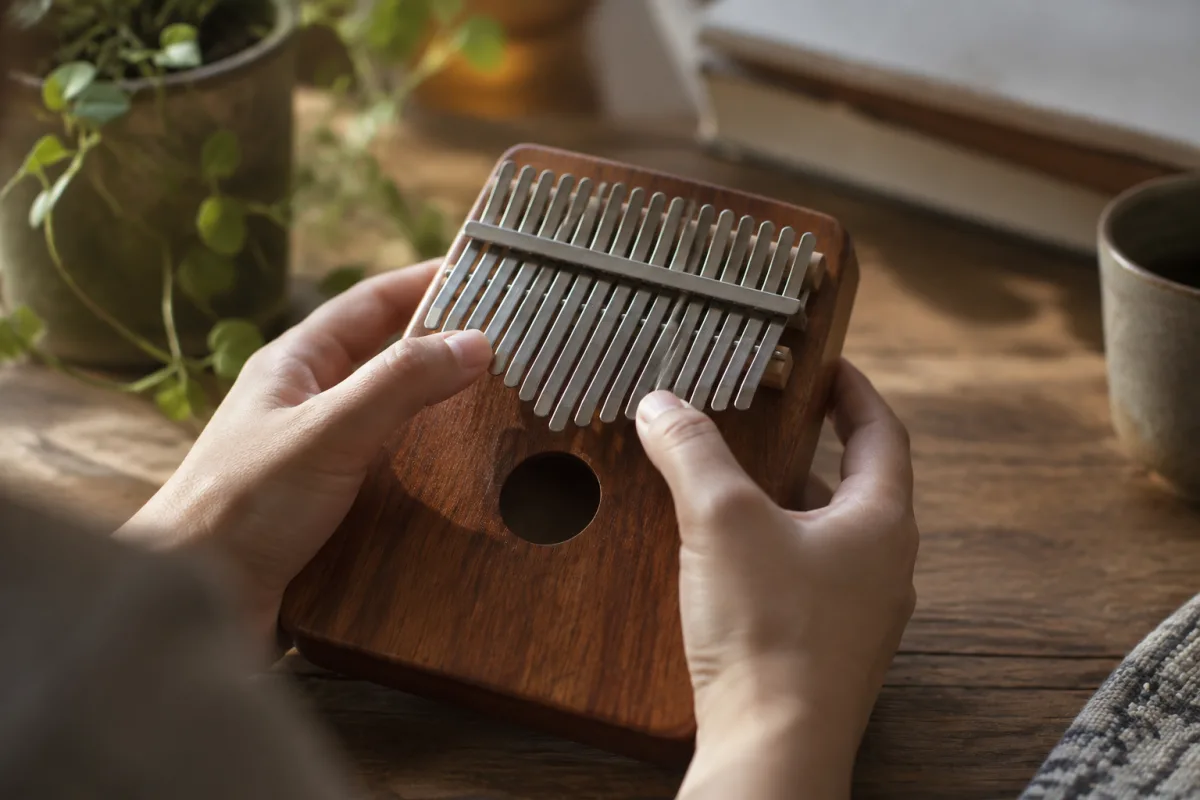
The thumb piano, also known as a kalimba or mbira, represents one of the world's most accessible and joyful percussion instruments. These captivating instruments produce mesmerising melodies through simple thumb techniques, making the thumb piano perfect for beginners whilst offering considerable depth for serious musicians exploring world music traditions.
Understanding the Thumb Piano
A thumb piano consists of metal or wooden tines arranged above a resonant chamber, creating an instrument that produces surprisingly rich tones through thumb strikes. The thumb piano's origins trace to African traditions spanning centuries, though modern interpretations have transformed the thumb piano into a globally appreciated instrument. Unlike instruments requiring years of technical mastery, learning a thumb piano remains refreshingly straightforward for most players.
The popularity of the thumb piano has surged dramatically over recent years, with musicians across numerous genres discovering the instrument's unique sonic character. Whether pursuing world music authenticity or simply seeking an accessible, meditative playing experience, the thumb piano delivers genuine musical satisfaction.
Construction and Design
| Component | Typical Thumb Piano Specification | Tonal Impact |
|---|---|---|
| Tines | Metal (typically steel or brass) or hardwood | Determines pitch and sustain characteristics |
| Resonance Chamber | Carved wood (typically acacia or mango) | Amplifies vibrations, enriches tone colour |
| Bridge | Wood or horn | Transfers tine vibrations to resonance chamber |
| Thumbholes | Located on chamber sides | Allows volume control during playing |
Premium thumb piano instruments employ carefully selected hardwoods for the resonance chamber, crucial for rich tone production. Metal tines on quality thumb piano examples are individually tuned by skilled craftspeople, ensuring accurate pitch and consistent voice across all notes. The bridge design on an authentic thumb piano critically influences how efficiently vibrations transfer to the resonance chamber, directly affecting volume and tonal brilliance.
Types of Thumb Piano
Traditional African thumb piano designs utilise different tuning systems and tine configurations. The mbira dzavadzimu, the most historically significant African thumb piano variety, features specific tuning systems reflecting sophisticated musical traditions. Modern thumb piano instruments, often called kalimbas when manufactured in Asian or Western factories, frequently employ 17-21 metal tines arranged in a more intuitive chromatic or diatonic layout for contemporary players.
Thumb piano design variations affect playability significantly. Instruments with closer tine spacing suit smaller hands; wider spacing accommodates larger hands more comfortably. The thumb piano's tuning system determines which musical phrases flow naturally, making instrument selection more important than casual observation suggests.
Playing Technique and Learning
Learning a thumb piano requires minimal technical preparation. Basic playing involves striking tines with thumbs, producing clear, bell-like tones from a well-constructed thumb piano. Most players master fundamental technique within their first practice session, making the thumb piano ideal for adult musicians seeking quick gratification.
Intermediate thumb piano playing involves developing hand independence, exploring dynamic control, and mastering traditional African playing patterns. Advanced players develop sophisticated rhythmic complexity and harmonic awareness. The thumb piano's learning curve—steep initially, then gradually progressive—encourages continued exploration without overwhelming beginners.
Sound Character and Acoustic Properties
The thumb piano produces characteristically warm, shimmering tones impossible to replicate on pitched percussion instruments. Metal-tined thumb piano instruments produce brighter, more penetrating sounds; wooden-tined designs deliver softer, warmer tones. The resonance chamber in a thumb piano critically determines sustain characteristics, with larger chambers typically producing longer note decay.
Thumb holes on the resonance chamber allow real-time volume modulation. Covering the holes increases pressure within the chamber, dramatically amplifying output; releasing them reduces volume. This dynamic control transforms the thumb piano from a simple percussion instrument into an expressive melodic voice capable of sophisticated musical communication.
Genre and Cultural Applications
- World Music: The thumb piano remains essential within African musical traditions and contemporary world music fusion
- Ambient and New Age: The meditative qualities of the thumb piano suit ambient and relaxation music beautifully
- Jazz: Contemporary jazz musicians increasingly incorporate the thumb piano as a textural addition
- Therapy and Wellness: Healthcare practitioners employ the thumb piano for stress reduction and meditation support
- Educational Settings: Teachers value the thumb piano's accessibility when introducing musical concepts to students
Buying Considerations
Budget significantly influences thumb piano selection. Entry-level thumb piano instruments cost 30-100 pounds, providing adequate quality for exploration. Mid-range thumb piano options (100-300 pounds) deliver noticeably superior tone and build quality. Professional instruments imported directly from African craftspeople cost 300-800+ pounds, representing investments in authentic cultural instruments.
Tuning system selection proves important. Western diatonic tuning simplifies learning; chromatic systems expand musical possibilities; traditional African tuning systems authentically represent cultural traditions. Your intended musical direction should guide tuning system selection on your thumb piano.
Maintenance and Care
Proper care extends your thumb piano's lifespan considerably. Avoid exposing wooden components to excessive moisture, as humidity causes tonal deterioration and structural warping. Dust accumulation reduces tine responsiveness, requiring gentle cleaning with soft cloths. The thumb piano's tuning stability depends partly on environmental conditions—drastic temperature swings can shift pitch relationships slightly.
Tine damage occasionally occurs through accidental strikes or aggressive playing. Professional retuning services exist for damaged thumb piano instruments, though prevention through careful handling remains preferable.
Conclusion
The thumb piano represents an exceptional gateway into world music traditions and percussive playing. Whether exploring cultural traditions, pursuing meditation through music, or simply seeking an accessible, joyful instrument, the thumb piano delivers genuine artistic satisfaction. The instrument's combination of accessibility, beautiful sound character, and expressive potential makes the thumb piano equally valuable for children discovering music and accomplished musicians seeking new creative outlets.
Frequently Asked Questions
- How long does it take to learn the thumb piano?
- Most players develop basic competency on the thumb piano within days. Playing recognisable melodies becomes possible during initial practice sessions, providing satisfying quick wins. Intermediate proficiency develops over months; mastering traditional playing patterns requires dedicated practice.
- What's the difference between a kalimba and an mbira?
- Terminology often overlaps, though mbira traditionally refers to African instruments with specific tuning systems and cultural context. Kalimba describes modern thumb piano instruments, particularly those manufactured with Western consumers in mind. Both terms describe similar instruments despite subtle differences.
- Can adults learn the thumb piano easily?
- Yes, absolutely. The thumb piano's gentle learning curve suits adult beginners perfectly. Hand strength requirements remain modest; most players develop adequate technique quickly. Adult learners often progress faster than children due to disciplined practice habits.
- How many tines should my thumb piano have?
- 17-21 tines represent the sweet spot for most players, offering sufficient range without overwhelming complexity. Smaller thumb piano instruments with fewer tines suit children; larger models with more tines appeal to musicians seeking expanded pitch range.
- Is the thumb piano a good gift instrument?
- Excellent gift choice. The thumb piano's approachable nature, beautiful sound, and compact size make it ideal for gift-giving. Quality entry-level thumb piano instruments remain affordable whilst delivering genuine musical satisfaction.
- Can I amplify my thumb piano for live performance?
- Yes, acoustic amplification through contact microphones works excellently with the thumb piano. Electric amplification through standard pickups remains less successful, though some musicians employ creative miking techniques effectively.


Comments