


Akai Keyboard article
The Complete Guide to Akai Keyboard
Akai keyboards bridge traditional instruments and modern production software. Learn which Akai keyboard suits your creative needs, from compact APC controllers to full-featured synthesizers.
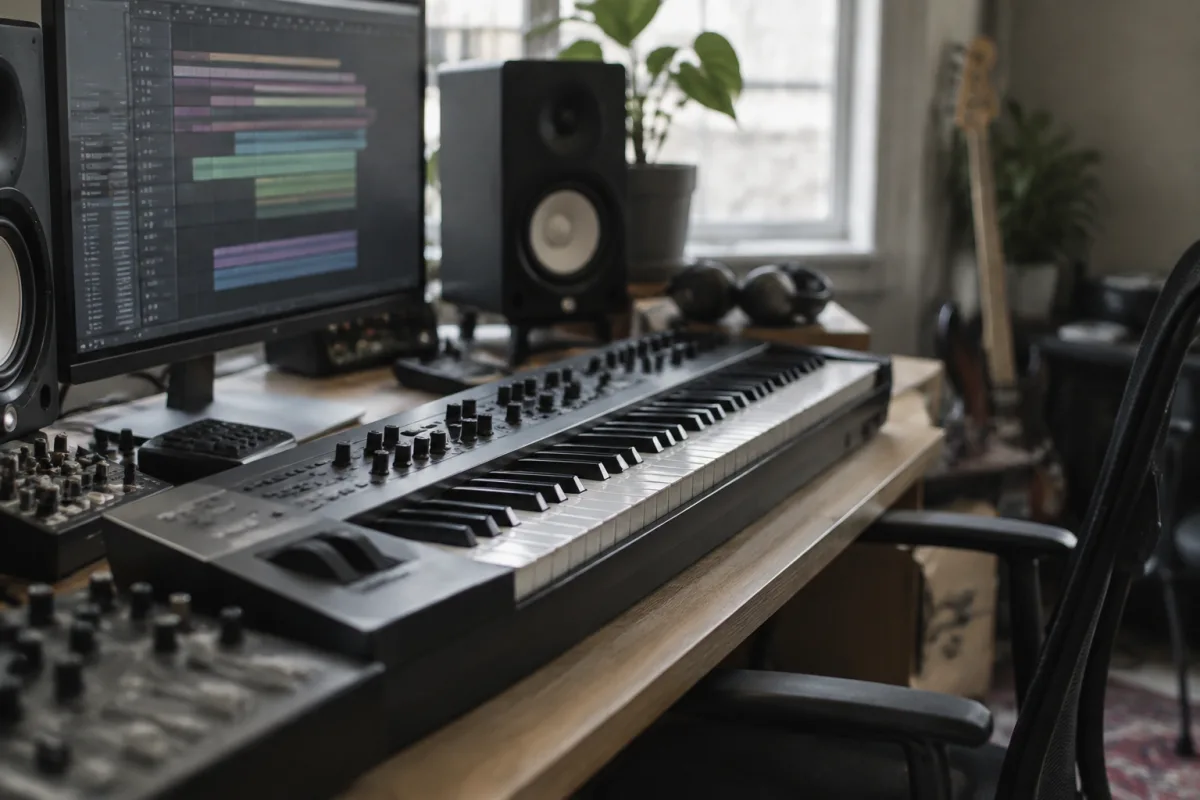
Akai keyboards represent a lineage of innovative, performance-oriented instruments that have shaped electronic music production and live performance for four decades. From the legendary APC40 controller to cutting-edge multi-sample and keyboard synthesizers, Akai has built a reputation for delivering professional-grade tools that are intuitive, inspiring and affordable. Whether you are a bedroom producer, an electronic music performer or a seasoned keyboardist, an Akai keyboard offers creative possibilities, responsive playability and deep integration with modern music production ecosystems.
The Akai Story: From Samplers to Controllers
Akai Professional, the division responsible for controllers and keyboards, emerged from Akai’s heritage as a legendary sampler and drum machine manufacturer. In the 1980s and ’90s, Akai’s MPC samplers and E2 keyboards became the sonic backbone of hip-hop, electronic and contemporary music worldwide. Today, that legacy continues through modern controllers, synthesizers and performance keyboards that prioritise hands-on control, workflow efficiency and expressive playability.
Core Akai Keyboard Product Lines
APC Controllers and Performance Pads. The APC series includes dedicated controllers for Ableton Live, featuring grids of illuminated pads, faders and encoders for real-time performance and production control. The APC40 MK2 and newer APC Key 25 and APC Key 61 models bring Ableton integration to keyboardists and producers who demand responsive, tactile interface to their DAW.
Mini Keyboards and Compact Models. Akai’s compact keyboards (25, 32 and 49 keys) are ideal for bedroom producers, students and laptop musicians. These feature essential controls, drum pads and velocity-sensitive keys without requiring dedicated desk space. Perfect as a first keyboard controller or mobile production station.
Performance Keyboards and Synthesizers. Larger Akai keyboards (61 and 88 keys) offer weighted hammer-action keys, deeper synthesis engines and richer sound libraries. These suit intermediate to professional keyboardists seeking a complete instrument rather than a DAW controller.
Groove Production Systems. Akai’s Force and Akai Pro systems provide standalone production workstations that combine keyboard control with sequencing, sampling and effects processing. Ideal for producers who prefer hardware-centric workflows over software.
Key Advantages of Akai Keyboards
Workflow Integration. Akai keyboards (particularly APC models) integrate seamlessly with Ableton Live and major DAWs. The hand-designed, ergonomic layouts accelerate production and performance; you spend less time menu-diving and more time creating.
Pad-Based Performance. Akai’s focus on drum pads, faders and performance surfaces makes these keyboards exceptional for real-time performance. Electronic producers, hip-hop artists and contemporary musicians value the intuitive, hands-on workflow.
Affordable Professional Quality. Akai delivers instruments that rival boutique competitors in functionality and build quality, at prices substantially lower than ultra-premium brands. This democratises access to professional production tools.
Extensive Third-Party Support. The large Akai user community has generated countless custom mappings, templates and expansions. Your keyboard becomes vastly more capable when integrated with community-created resources.
Responsive Keys and Pads. Akai invests heavily in key and pad technology. Velocity sensitivity is accurate, latency is minimal, and the physical feedback feels professional even on budget models.
Choosing an Akai Keyboard for Your Needs
| Use Case | Best Akai Option |
|---|---|
| Bedroom producing with Ableton Live | APC Key 25 or APC Key 61 – compact, focused Ableton control |
| Hip-hop / electronic beat making | Akai Force or MPC key models – sample-centric, pad-based workflow |
| Live electronic performance | 61 or 88-key keyboard with extensive controls – expressive keys and responsive pads |
| Entry-level music production | Akai 25-key mini keyboard – affordable, compact, feature-rich |
| Professional studio synthesis | 88-key weighted hammer-action Akai keyboard – full-featured instrument |
Akai Keyboards and Modern Production
In today’s increasingly DAW-centric music landscape, Akai keyboards bridge the gap between traditional instruments and software. A quality Akai keyboard reduces latency, improves workflow and transforms abstract mouse-and-keyboard computer music production into tangible, hands-on creativity. The tactile feedback and responsive interface spark ideas that a trackpad simply cannot deliver.
Akai’s ongoing commitment to standalone systems (Force, MPC) also appeals to producers who prefer hardware-centric workflows without computer dependency. These systems combine keyboard control with onboard sequencing, sampling and effects processing, offering complete creative autonomy.
Conclusion
An Akai keyboard represents an investment in responsive, intuitive music production and performance. Whether you choose a compact APC controller for Ableton integration, a performance keyboard for live playing, or a standalone production system for hardware-centric workflow, Akai delivers professional capability at accessible prices. The extensive ecosystem of keyboards, controllers and expansions means you will find an Akai solution perfectly suited to your creative vision and budget. For contemporary musicians and producers, Akai keyboards remain an outstanding choice.


Comments