


Kawai Digital Piano article
Kawai Digital Piano for Beginners: A Complete Guide
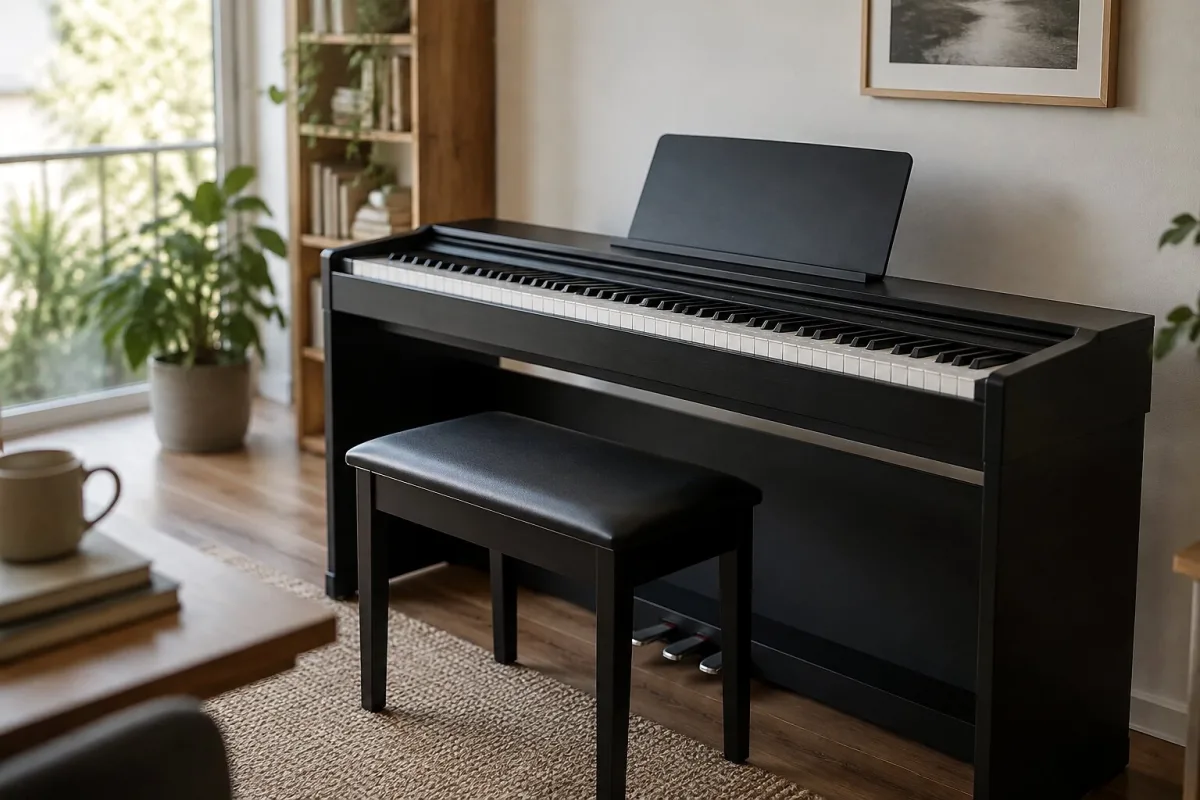
Starting piano as an adult can feel daunting, and choosing a Kawai digital piano makes the process wonderfully manageable. I'm going to take you through everything you need to know so you can begin your piano journey with confidence and genuine enjoyment from day one.
Why Kawai Digital Pianos Are Ideal for Beginners
As someone who has taught many adult learners, I can tell you confidently that Kawai digital pianos are genuinely brilliant for beginners. The weighted keys teach proper technique from the start, which prevents bad habits that become frustratingly difficult to correct later. The authentic sound keeps practice engaging, and there's no tuning or maintenance to worry about.
A Kawai digital piano is immediately playable. Unlike acoustic pianos that demand professional setup and ongoing tuning, you simply plug in your Kawai digital piano and start learning. This simplicity removes barriers that often discourage beginners before they've even started.
Choosing Your First Kawai Digital Piano
For complete beginners, I recommend starting with a portable Kawai model rather than a large console piano. An entry-level Kawai ES110 or similar model gives you everything needed for serious learning at a price that feels manageable if piano doesn't ultimately click for you. This is genuine wisdom, not meanness. Investing heavily before you know if you'll genuinely commit is simply poor planning.
The compact size also means you can relocate your Kawai digital piano easily if you later find a better spot, and you can take it with you if you move house. This flexibility matters more than you might think when you're starting out.
If you're certain piano is your thing and can comfortably afford more, an excellent compromise is a mid-range Kawai model. This gives you better sound, finer touch and features that support growing musicianship without the premium price of flagship instruments.
Setting Up Your Learning Space
Position your Kawai digital piano where you'll naturally pass it several times daily. This sounds simple, but actually influences whether you'll practice regularly. If your piano is tucked away in a back bedroom, you'll forget it exists. If it lives in your sitting room or study, you'll notice it and feel the gentle pull to play.
Invest in a proper stool or bench that places your hands at the correct height. This isn't extravagance, it's essential. Poor posture whilst learning creates tension and makes technique unnecessarily difficult. A modest amount spent on the right stool pays dividends through more comfortable, longer practice sessions.
Consider your acoustics. Even the best Kawai digital piano sounds somewhat different in a small, carpeted bedroom compared to a larger room. Test your setup and adjust speaker positioning if needed to hear the sound clearly.
Beginning Your Learning Journey
Start with a beginner method book that matches your learning style. Some people love structured lessons with a teacher, others prefer self-teaching from books or online resources. Kawai digital pianos work beautifully with all these approaches, so choose what feels genuinely right for you personally.
Begin slowly. Genuinely. Rushing through early lessons creates misunderstandings that waste enormous time later. There's no race. Learning piano is a journey, not a destination. Proceeding methodically and building solid foundations transforms the entire experience from frustrating to genuinely enjoyable.
Practice regularly but reasonably. Fifteen minutes daily is infinitely better than three hours once weekly. Short, focused practice sessions build habits and develop muscle memory far more effectively than occasional long stretches. Your Kawai digital piano becomes part of your daily rhythm.
Using Your Kawai's Features Effectively
Most Kawai digital pianos include recording functions that are genuinely useful for beginners. Recording yourself and listening back reveals habits you cannot hear whilst playing. This is one of the most valuable learning tools available, and it costs nothing beyond the instrument itself.
Experiment with different sounds occasionally. Playing an electric piano sound or harpsichord variation keeps practice fresh and reminds you that piano can be genuinely fun, not just serious technique work. This matters psychologically for maintaining motivation through the inevitable plateau periods where progress feels slow.
Use headphones when housemates or family members might otherwise be disturbed. This removes a potential barrier to practice. Knowing you can play without bothering anyone makes it infinitely more likely you'll actually sit down and practise.
Developing Consistent Practice Habits
Schedule practice time just as you would any important appointment. Sunday afternoons after lunch, Tuesday evenings before dinner, Saturday mornings before errands—the specific times matter less than consistency. Your brain and fingers learn piano through regular repetition, and a schedule turns practice into genuine habit.
Set achievable goals. "Learn a complete piece in three months" is better than "get better at piano." Specific targets give you something concrete to work towards and create genuine satisfaction when you achieve them. This sense of progress matters enormously for maintaining motivation.
Celebrate small achievements. Successfully playing a new piece, even something simple, deserves genuine congratulations. You've literally rewired neural pathways and created new muscle memory. That's genuinely remarkable and worth acknowledging.
Dealing with the Inevitable Challenges
Plateau periods happen to every learner. You'll progress quickly at first, then hit points where things feel stuck. This is completely normal and not a sign you're doing something wrong. Every pianist, professional or amateur, experiences these frustrating stretches. Push gently through them, maintain consistent practice and they always pass.
Hand pain or tension is a warning sign that something's wrong, not something to push through. Poor posture, rushing technique or tension in your shoulders and arms need attention immediately. Slowing down, checking your position and sometimes taking a few days off prevents small issues becoming serious injuries.
Keep a practice journal noting what you worked on, what felt good and where you struggled. This gives you perspective over weeks and months, showing genuine progress that daily frustration can hide. Reading back through your journal reminds you how far you've come.
Your Kawai Digital Piano Journey Begins
Starting piano with a Kawai digital piano removes so many obstacles. The authentic touch and sound support genuine learning, the practical advantages mean fewer excuses not to practice, and the investment feels manageable. Most importantly, your Kawai digital piano invites you to sit down daily and discover something wonderfully human—the genuine joy of creating music yourself.






Comments