


Kawai Digital Piano article
Kawai Digital Piano Explained: Features, Types and Tips
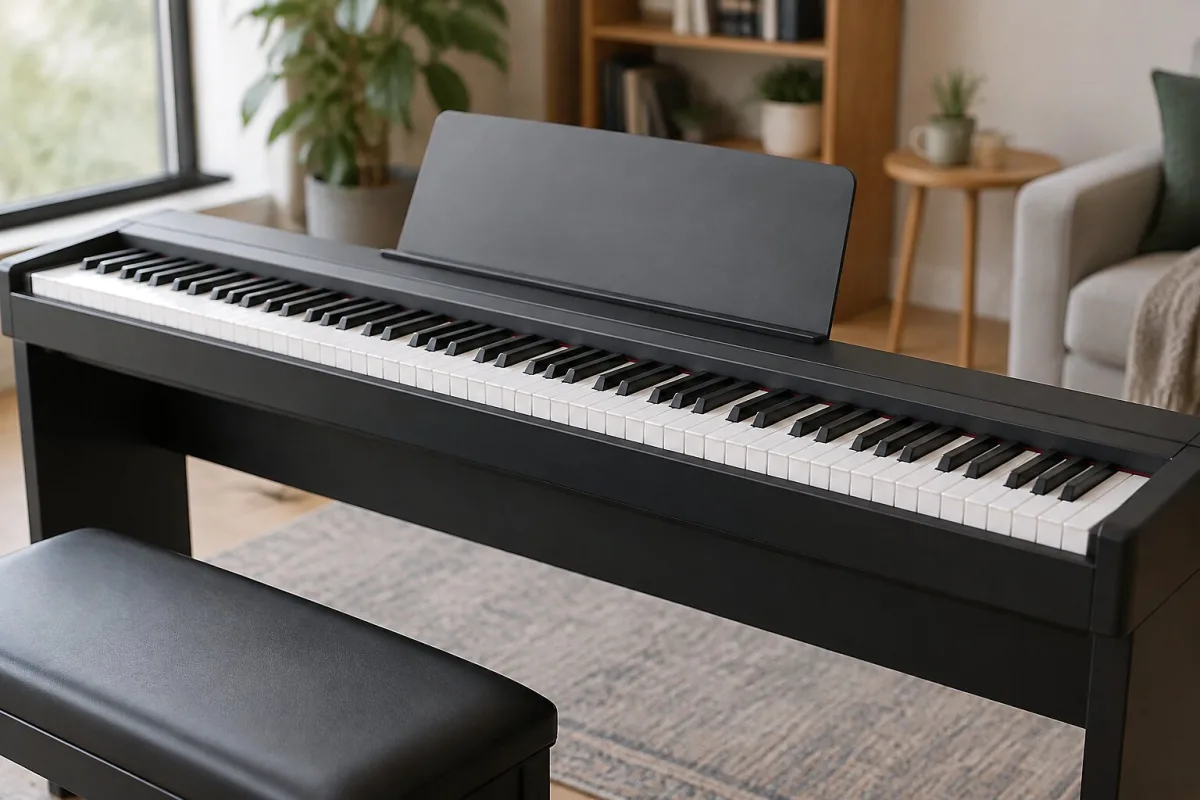
Kawai digital pianos have earned a reputation for combining authentic touch and sound with modern technology. Whether you're a beginner picking up piano for the first time or an experienced player seeking a space-saving alternative to an acoustic instrument, understanding what makes Kawai digital pianos distinctive is the first step to finding your perfect match.
Understanding Digital Piano Fundamentals
A Kawai digital piano represents a significant advancement in how we can bring realistic piano playing into our homes. Unlike traditional acoustic pianos, which generate sound through vibrating strings struck by hammers, digital pianos use weighted keys and sampling technology to recreate the authentic experience. The term "weighted" describes how these keys resist your fingers just as a real piano does, requiring the same finger technique and developing the same muscle memory you would need on an acoustic instrument.
The sound within a Kawai digital piano comes from high-quality samples or synthesised recreations of renowned acoustic pianos. Kawai has invested heavily in capturing the exact tonalities of premium instruments, ensuring that when you play a Kawai digital piano, you're hearing something remarkably close to the real thing. This commitment to authenticity is what separates Kawai from budget alternatives in the marketplace.
Key Types and Technologies
Kawai produces several categories of digital pianos, each designed for different needs and budgets. Stage pianos prioritise portability and are favoured by touring musicians who need robust instruments they can transport between venues. These models offer exceptional sound quality in a compact footprint but typically include minimal built-in accompaniment features.
Console digital pianos are substantial instruments resembling acoustic piano cabinets. They're designed for the home and offer extensive features including built-in speakers, recording capabilities and often various instrument sounds beyond piano. These pianos typically provide an immersive experience that encourages serious study and long-term commitment to learning.
Portable digital pianos occupy the middle ground, offering genuine weighted keys and excellent sound in a space-efficient design. These models appeal to players who move between locations or have limited space but want authentic feel and sound quality.
The Kawai Hammer Action System
What distinguishes Kawai digital pianos from many competitors is the hammer action mechanism, often called GrandFeel or GLadius depending on the model. These systems simulate the escapement action found in acoustic grand pianos, which allows the hammer to return for re-striking without fully releasing the key. This subtle but crucial feature changes how you can play repeated notes, making technically demanding passages and trills feel natural rather than frustratingly limiting.
The weighted key response in Kawai instruments is carefully calibrated to match acoustic pianos, where lower keys feel heavier and higher keys feel lighter. This progressive weighting is psychologically important as well as technically necessary, as it reinforces proper finger technique and helps develop the muscle memory required for playing any piano competently.
Sound Quality and Sampling
Kawai digital pianos feature extensively sampled sounds recorded from top-tier acoustic instruments. The sampling process involves recording multiple velocity levels for each note, capturing how the sound changes based on how hard you strike the keys. This multi-sampled approach creates responsiveness that accurately reflects real piano behaviour.
Beyond piano sounds, Kawai instruments typically include various keyboard and string sounds useful for different styles of music. Whilst pianos are the primary focus, having access to electric piano, harpsichord or string sounds can be valuable for exploring different genres and keeping practice engaging.
Features and Connectivity
Most Kawai digital pianos include MIDI connectivity, allowing you to connect to computers or other instruments. This opens possibilities for recording your performances, using digital audio workstations for composition, or connecting to educational software. USB audio connections let you record your playing in high quality directly to a computer.
Built-in recording features on many Kawai models allow you to capture your performances without external equipment. Listening back to your playing is one of the most effective practice strategies, as it reveals habits you cannot hear whilst performing.
The touch response and pedal functions are particularly important. Kawai includes properly functioning sustain pedals that respond to half-pedalling, just like acoustic pianos. This capability distinguishes serious instruments from cheaper models where pedals are essentially on-off switches.
Durability and Maintenance Advantages
Digital pianos require significantly less maintenance than acoustic instruments. You won't need professional tuning, which can be expensive and time-consuming. Humidity fluctuations don't damage digital instruments, making them ideal for environments where acoustic pianos would struggle. These practical advantages make digital pianos exceptionally attractive for family use and flat living situations.
Finding Your Ideal Kawai Model
Selecting the right Kawai digital piano depends on your specific situation. Budget matters, but so does space, commitment level and the types of venues or settings where you'll play. Entry-level models provide genuine Kawai quality at accessible price points, whilst premium instruments offer additional features and superior components for players pursuing professional standards.
The best approach is to handle several models, comparing how they feel and sound. Each player's preferences are individual, and what matters most is finding an instrument that inspires you to practice regularly and develop your musical abilities over time.






Comments