


Arturia Digital Piano article
Arturia Digital Piano for Beginners: A Complete Guide
Arturia digital pianos offer authentic acoustic tone and smart engineering at affordable prices. This beginner's guide explains their sound engines, which models work best for learners, and whether Arturia is right for you versus established brands.
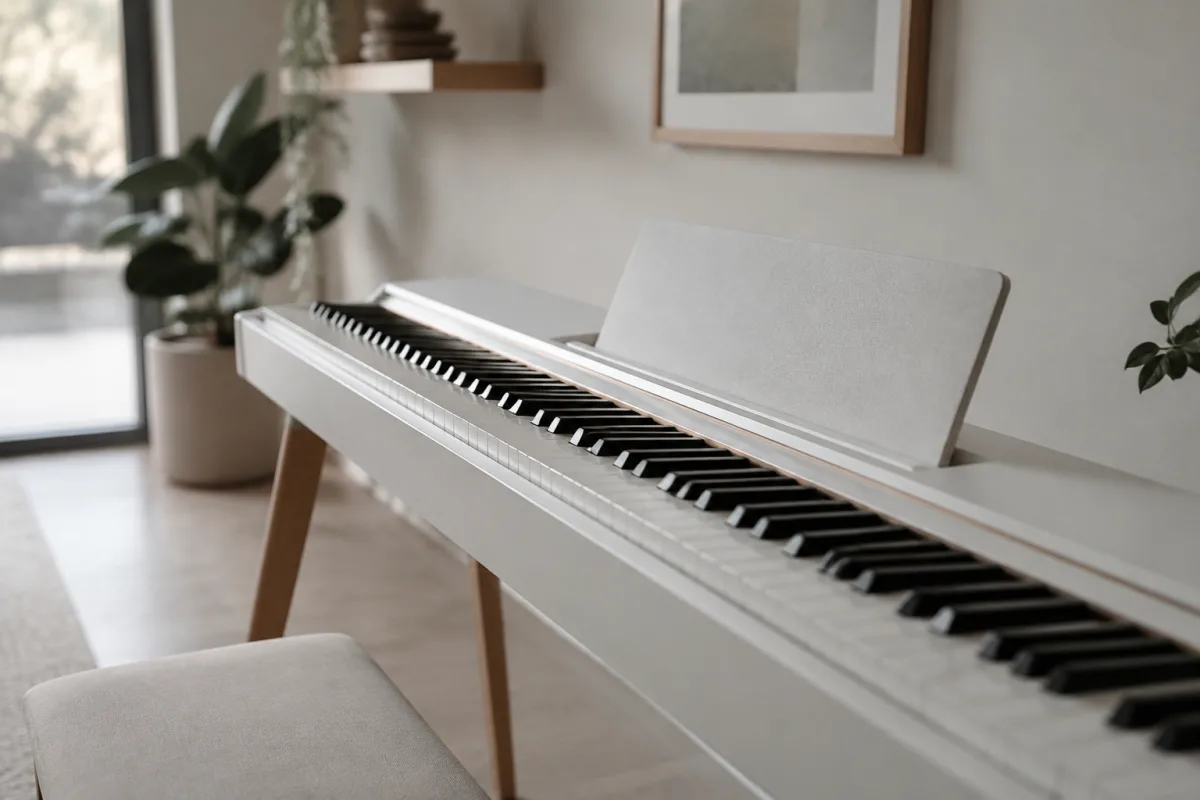
Arturia is best known for software synthesizers, but they also make a line of digital pianos that deserve attention from beginners and serious players alike. If you're exploring digital piano options and wondering what Arturia brings to the market, this guide explains their approach, which models suit learners, and what you get when you choose Arturia over more established piano manufacturers.
Arturia: Software Pioneer Moving Into Hardware
Arturia started as a software company, creating virtual instruments that emulated classic hardware. Over time, they've developed hardware instruments combining their software heritage with physical build quality. Their digital pianos reflect this philosophy: they're designed by sound engineers obsessed with piano authenticity, built with quality components, and priced lower than premium established brands. For a beginner, this represents genuine value—you're not paying for marketing heritage, but for smart engineering and affordable quality.
Arturia Digital Piano Sound Engine
Arturia's digital pianos use advanced sound sampling and modelling—they've recorded and analysed actual acoustic pianos in detail, then created digital recreations of that acoustic richness. Their piano engines include multiple instrument models (grand pianos, upright pianos, electric pianos, stage pianos) so you're not locked into one sonic character. The sound is genuinely impressive for the price point—neutral music critics consistently praise Arturia's piano tone as authentic and expressive.
Entry-Level and Intermediate Arturia Models
Arturia's beginner-to-intermediate digital pianos sit in the £400–£1,200 range. Their compact models (£400–£700) are space-efficient whilst maintaining excellent sound quality and build construction. Their full-size models (£800–£1,200) offer 88 weighted keys and professional features at prices lower than comparable Yamaha or Korg instruments. For a beginner considering digital piano, mid-range Arturia represents solid value—better sound quality and build than budget brands, better pricing than premium brands.
Key Features Beginners Should Understand
Weighted keys (keys that simulate acoustic piano resistance) matter for developing proper technique. Most Arturia models include weighted or semi-weighted keys. Check this carefully when shopping—unweighted keys will create bad habits if you later play acoustic pianos. Arturia's compact models sometimes use semi-weighted keys; full-size models use fully weighted. Built-in sounds beyond piano are useful for exploring different tones. Arturia typically includes electric piano, harpsichord, organ and synth sounds. Recording and playback features allow you to record your playing and review it. USB connectivity allows connecting to computers for DAW integration. These features aren't essential for learning, but they're genuinely useful as your skills develop.
Sound Quality and Playability
Arturia pianos consistently surprise beginners with how acoustic they sound. The responsiveness to touch is excellent—play gently and get quiet tone; play with drive and get projection and colour. This responsiveness teaches proper technique more effectively than pianos that sound identical regardless of playing dynamics. The build quality is robust; keys move smoothly and consistently over time. For the price, Arturia offers genuinely impressive playability.
Comparison to Established Brands
Yamaha (Piaggero series) and Korg (Kross, Korg piano models) are more established. Yamaha has longer brand heritage and wider product variety. Korg excels at synth integration and creative features. Arturia is newer to digital pianos but offers better sound engine quality per pound than Yamaha and better acoustic piano authenticity than Korg's occasionally digital-sounding pianos. Your choice depends on sonic preference. If authentic acoustic tone is priority, Arturia is often the best value. If you value established brand reliability, Yamaha is solid. If you want creative synth integration, Korg appeals.
Stand and Pedal Considerations
Most Arturia digital pianos don't include stands or pedals in the base package—you purchase them separately (£100–£300 for quality stands/pedal units). This allows customisation but increases total cost. Budget for a quality three-pedal system matching your piano's aesthetics. Cheap pedal units feel flimsy and frustrate learning. A solid stand and pedal system are investments worth making.
Computer Integration and Software
Arturia pianos connect to computers via USB, allowing MIDI control of DAW and software instrument access. This is genuinely useful if you're exploring composition or production alongside piano learning. However, it's optional—you can learn piano without ever connecting to a computer. Don't let software features distract from evaluating the piano itself.
Long-Term Durability and Support
Arturia instruments are relatively new to the market, so long-term durability data is limited compared to Yamaha (60+ years of piano experience). However, early reports suggest Arturia pianos are reliable and support is responsive. For a five-year horizon, Arturia is trustworthy. For twenty-year longevity expectations, established brands offer more historical reassurance.


Comments