


Autotune Plugin article
Everything You Need to Know About Plugin Antares Autotune
Pitch correction technology transforms vocal production, offering transparent correction or creative effects. This guide explores how these powerful tools work and when to use them.
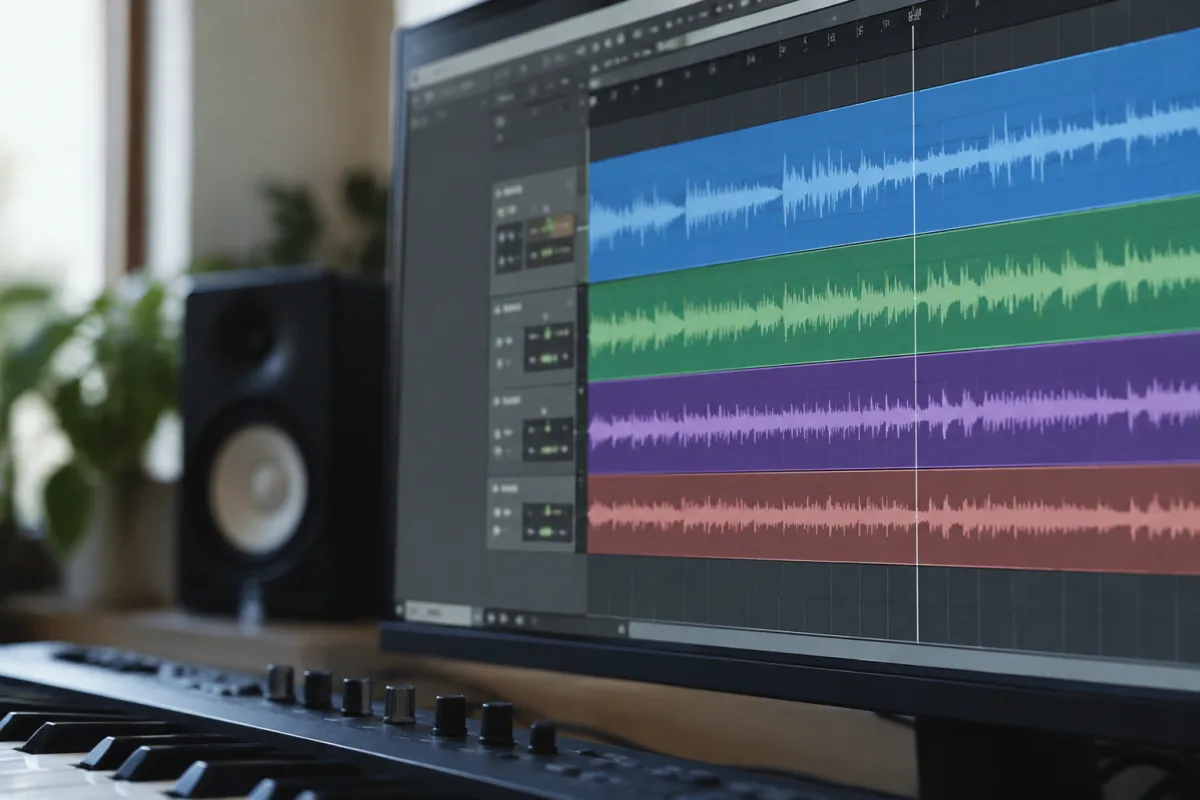
Pitch correction technology has transformed modern music production, making it possible to refine vocal performances and add creative effects in ways previously impossible. Whether you're a home recording enthusiast, professional producer or vocalist seeking creative possibilities, understanding pitch correction tools and their creative applications opens new artistic directions.
Understanding Pitch Correction Technology
These tools analyse incoming audio and gently adjust pitch toward the nearest semitone or scale degree, correcting unintentional pitch drift and wavering. Modern versions offer transparent correction that listeners barely notice, or dramatic processing creating distinctive robotic vocal effects. The technology fundamentally changed how vocals are produced, making pitch perfection achievable in minutes rather than requiring countless retakes.
The distinction between transparent correction and obvious processing lies in settings. Gentle correction with slow attack times sounds natural and unobtrusive. Fast attack and obvious processing creates the characteristic effect heard on countless contemporary recordings.
Transparent Correction Applications
Fixing problematic notes represents the most straightforward application. A singer nails every phrase except one slightly sharp word—subtle correction restores pitch perfection without audible processing. Skilled producers apply correction so transparently that listeners never suspect processing occurred.
Fixing timing alongside pitch proves invaluable. Some tools include timing adjustment, quantising performances to the beat grid. Combined pitch and timing correction transforms adequate vocal takes into professional results.
Creative Processing and Effects
Beyond transparent correction, these tools create distinctive sonic effects. The characteristic "robotic" sound heard on countless pop records results from fast attack settings, creating obviously processed vocals. This aesthetic has become mainstream in contemporary music production.
Creative applications extend beyond obvious processing. Parallel processing—running corrected and original vocals in parallel—blends transparent pitch perfection with natural character. Experimenting with different settings reveals possibilities.
Scale and Note Selection
Most tools include scale and note selection, letting you restrict pitch correction to specific keys and scales. Setting your song's scale prevents correction to "wrong" notes, maintaining tonal integrity. This proves particularly useful for instruments and creative applications where chromatic pitch correction would prove inappropriate.
Target note selection lets you specify which scale notes you want correction. A song in C major might correct only to C, D, E, F, G, A and B, skipping chromatic alterations. This targeted approach maintains musicality whilst preventing pitch wandering.
Real-Time Versus Offline Processing
Some tools process in real-time during tracking or playback, useful for monitoring corrected vocals as you record. Others work only offline on recorded files. Real-time processing demands more processing power but offers immediate feedback. Offline options prove less demanding but require recording first, then processing afterward.
Modern computers handle both approaches comfortably. Your workflow preference should guide technology selection. Live performers favour real-time capable options; studio producers sometimes prefer offline flexibility.
Formant and Vibrato Preservation
Sophisticated versions preserve vocal characteristics like formant (which makes a voice sound like a specific person) and vibrato (natural pitch wavering in vocal technique). Poor correction removes these qualities, making voices sound unnatural and plastic.
Preserving vibrato proves especially important for expressive singers. Overzealous correction removes the artistic pitch variation that makes singing beautiful. Quality tools include vibrato detection and preservation, maintaining the performance's emotional character.
Genre and Stylistic Considerations
Country, folk and acoustic music traditionally avoided obvious pitch processing, valuing natural imperfection. Contemporary pop, R&B and hip-hop embrace obvious effect. Understanding genre conventions guides how aggressively you apply processing.
Even in genres expecting obvious processing, artistic judgment matters. Complete pitch perfection sounds artificial and emotionless. Slight imperfection often sounds more expressive and human than clinical perfection.
Choosing Between Options
Professional-grade options offer extensive control, natural-sounding correction and creative possibilities. Mid-range tools provide solid features without complexity. Budget options exist for basic correction needs.
Most DAWs include basic versions sufficient for many purposes. Standalone versions offer additional features and flexibility. Trial versions let you experiment before purchasing.
Ethical and Musical Considerations
Using pitch correction raises artistic questions about performance authenticity. Professional singers sometimes object to vocal processing as dishonest. Others view it as legitimate production tool like EQ or reverb. Personal artistic philosophy should guide your approach.
Transparency matters. Consumers increasingly expect to know whether vocals received processing. Honest communication about production techniques builds listener trust and artistic credibility.
Creative Possibilities Beyond Vocals
While primarily designed for vocals, pitch correction works on any monophonic source—solo instruments, some percussion, lead synths. Bass tracking benefits from transparent correction, ensuring consistent tuning across take variations. Guitar solos become precisely in-tune.
Experimenting with unconventional sources reveals unexpected creative possibilities. Even obviously artificial processing on instruments creates interesting textures and effects.



Comments