


Mechanical Metronome Buying guide
Mechanical Metronome: A Complete Buyer's Guide
Choosing a mechanical metronome means evaluating sound quality, build durability, and whether it suits your practice style. This guide walks you through the key specifications and common pitfalls.
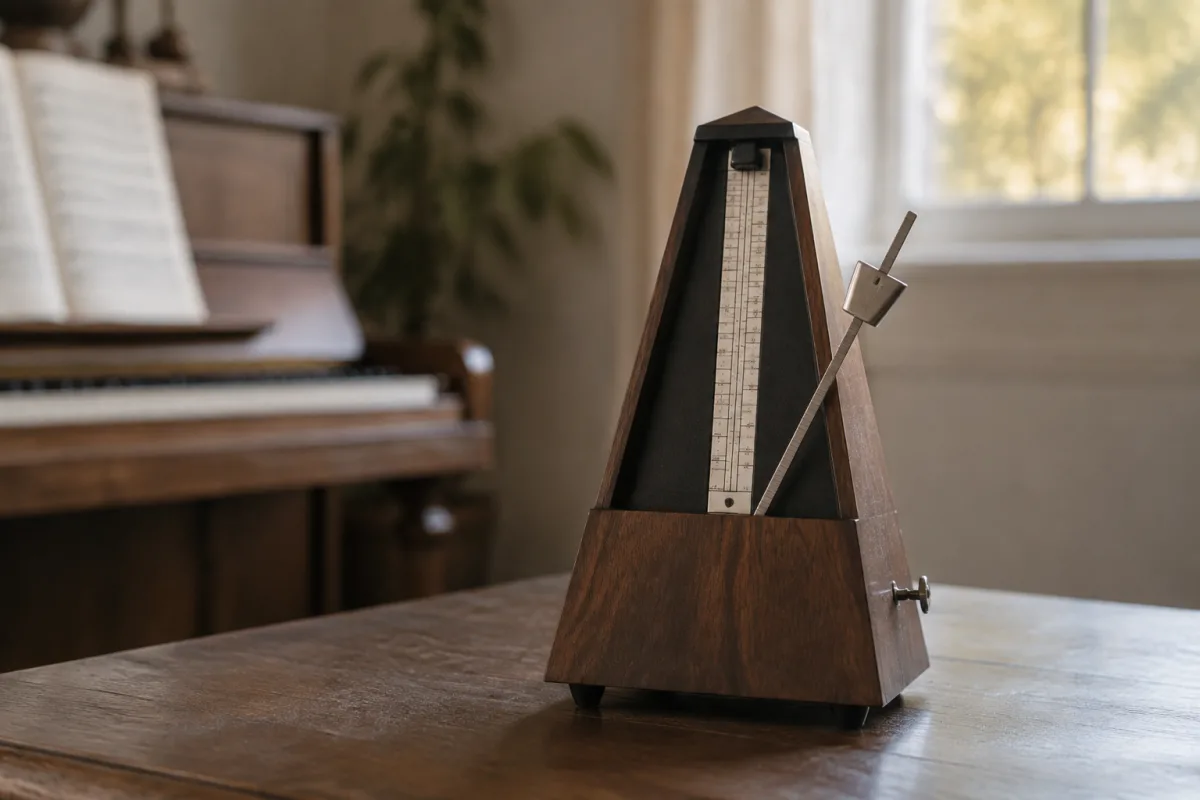
Choosing the right mechanical metronome is trickier than it first appears. Beyond the obvious "Does it keep time?", you need to consider sound quality, build reliability, and whether it actually suits your practice style. Some mechanical metronomes are heirloom-quality instruments; others are flimsy tourist trinkets. This buying guide shows you exactly what specifications matter, which pitfalls to avoid, and how different price points break down so you can invest in a metronome you'll genuinely use for years.
Key Specifications to Evaluate
When comparing mechanical metronomes, focus on these core specifications rather than marketing claims:
- Tempo range — Standard mechanical metronomes cover 40–208 beats per minute (bpm), which suits most classical and contemporary music. Some extend to 40–240 bpm. Check whether the range covers your usual practice tempos. Anything beyond this range is marketing; you rarely need it.
- Beat patterns available — Basic models offer simple beats (1/4, 2/4, 3/4, 4/4, 6/8). Better metronomes add subdivisions and accent patterns (emphasis on beat 1). If you play complex meters or need specific accents, check that the model supports them.
- Sound quality and volume — Listen to it before buying. A tinny, sharp click fatigues your ears; a warm, clear tick aids concentration. Volume should be audible in a practice space but not deafening. Electric metronomes let you adjust volume; mechanical ones don't.
- Case material and hinge type — Wooden cases with sturdy hinges last decades; plastic cases and flimsy hinges fail quickly. The hinge is crucial—it opens and closes constantly, and a loose hinge eventually renders the metronome useless.
- Pendulum weight design — A well-weighted pendulum with a smooth, satisfying swing indicates quality construction. Cheap metronomes have loose pendulums that rattle or swing erratically.
Sound Quality: Why It Matters More Than You Think
A bad-sounding metronome actually undermines your practice. An irritating, high-pitched click can cause ear fatigue or distract you from playing. Conversely, a well-designed tick with a warm, clear tone becomes almost musical and supports your practice rhythm naturally.
Before buying, listen to the metronome at multiple tempos. Some sound acceptable at moderate speeds but become shrill or dull at extremes. If you practise primarily at slow tempos (below 80 bpm), a metronome that sounds good at slow speeds is crucial. Test at the tempos you actually use, not just the showcase speeds.
Build Quality and Durability
Mechanical metronomes are simple devices, but quality varies wildly. A decent metronome should:
- Feel solid and substantial when held (not lightweight plastic).
- Have smooth, controlled pendulum movement—no rattles or stiffness.
- Feature a hinge that opens and closes without play or looseness.
- Display clear, legible tempo markings on the dial.
- Have a reliable, predictable wind mechanism (if hand-wound).
Metronomes are mechanical instruments, so they wear slightly with age. A quality metronome remains accurate and functional for decades; cheap ones develop loose pendulums, sticky mechanisms, or inaccurate timing within a year or two.
Price Tiers and What to Expect
| Price Range | Typical Features | Best For | Common Issues |
|---|---|---|---|
| Budget (£20–40) | Plastic case, basic tempo range, simple beat options, tinny sound | Absolute beginners, casual hobbyists | Poor sound quality, loose hinge, unreliable timing after months |
| Mid-range (£40–100) | Wooden case, full tempo range, multiple beat patterns, warm sound | Serious students, teachers, semi-professional musicians | Occasional hinge issues, but generally reliable |
| Premium (£100–300+) | Quality hardwood, exceptional sound, precision engineering, advanced features | Professional musicians, conservatory teachers, collectors | None significant; premium versions are heirloom instruments |
Most serious musicians find mid-range metronomes more than adequate. The jump from budget to mid-range is substantial—you get better sound, reliability, and build quality. The jump from mid-range to premium offers refinement and heirloom durability but rarely changes how you practise.
Practical Buying Considerations
Beyond specifications, think about your actual use case:
- Portability: Do you move between practice spaces? Some mechanical metronomes are compact and travel-friendly; others are larger and best left in one location.
- Noise sensitivity: Does your household or neighbours tolerate metronome clicks? A mechanical metronome's steady tick is relentless and can be annoying to others. Acoustic foam or a quiet room helps.
- Preference for mechanical vs. digital: Mechanical metronomes offer satisfying mechanical feedback and no batteries to replace. Digital metronomes offer silent visual feedback and adjustable sounds. Some musicians prefer the reliability and predictability of mechanical; others prefer the flexibility of digital.
- Maintenance willingness: Mechanical metronomes occasionally need adjustment or lubrication if they lose accuracy. If you prefer set-and-forget devices, digital might suit you better.
Common Pitfalls When Buying a Mechanical Metronome
Avoid these mistakes:
- Buying solely on price. Budget metronomes often sound terrible and fail quickly. Spending an extra £20–30 for a mid-range model saves frustration and money long-term.
- Ignoring the sound at purchase. Many online purchases arrive to an unpleasant surprise. If buying online, ensure the seller has a solid return policy.
- Assuming all mechanical metronomes are equally reliable. Brand heritage and build quality differ dramatically. Established, reputable makers usually produce more reliable instruments than novelty brands.
- Overlooking beat pattern options. If you play in odd meters (5/4, 7/8, 9/8) or need specific accent patterns for your music, confirm the metronome supports them before buying.
- Buying a vintage metronome without testing. Vintage pieces are romantic but often unreliable after decades of use. A vintage metronome might be beautiful but inaccurate—not ideal for practice.
New vs. Vintage: Weighing Your Options
Vintage mechanical metronomes can be stunning visually and hold historical appeal. However, most have worn mechanisms and loose pendulums after decades of use, which compromises accuracy. A new mid-range metronome offers better reliability and sound quality than a vintage piece in questionable condition. If you love vintage aesthetics, buy a vintage metronome for display and keep a new, reliable one for actual practice.
Testing Before You Commit
If you can test a mechanical metronome before buying:
- Listen at multiple tempos (slow, moderate, fast).
- Check that the tempo markings are easy to read and set.
- Open and close the hinge several times—it should be smooth and tight.
- Gently tap the case—it should feel solid, not flimsy.
- Test any beat pattern changes needed for your music.
If buying online, purchase from retailers with generous return windows (30 days minimum). A good return policy is your safeguard against receiving a metronome with sound quality or reliability you didn't expect.
Conclusion
A mechanical metronome is an investment in your practice discipline. Spend enough to get a mid-range instrument with a wooden case, warm sound, and reliable mechanism—usually £40–100. Avoid budget plastic versions; they'll frustrate rather than support your practice. Test the sound, verify the features match your needs, and choose a reputable brand. A quality mechanical metronome becomes a trusted practice partner for decades, delivering consistent, satisfying timing for your work.


Comments