


Stage Monitor Speaker Buying guide
Stage Monitor Speaker: A Complete Buyer's Guide
Selecting the right stage monitor speaker requires understanding power, frequency response, and your venue needs. This buying guide covers essential specs, price tiers, and pitfalls to avoid.
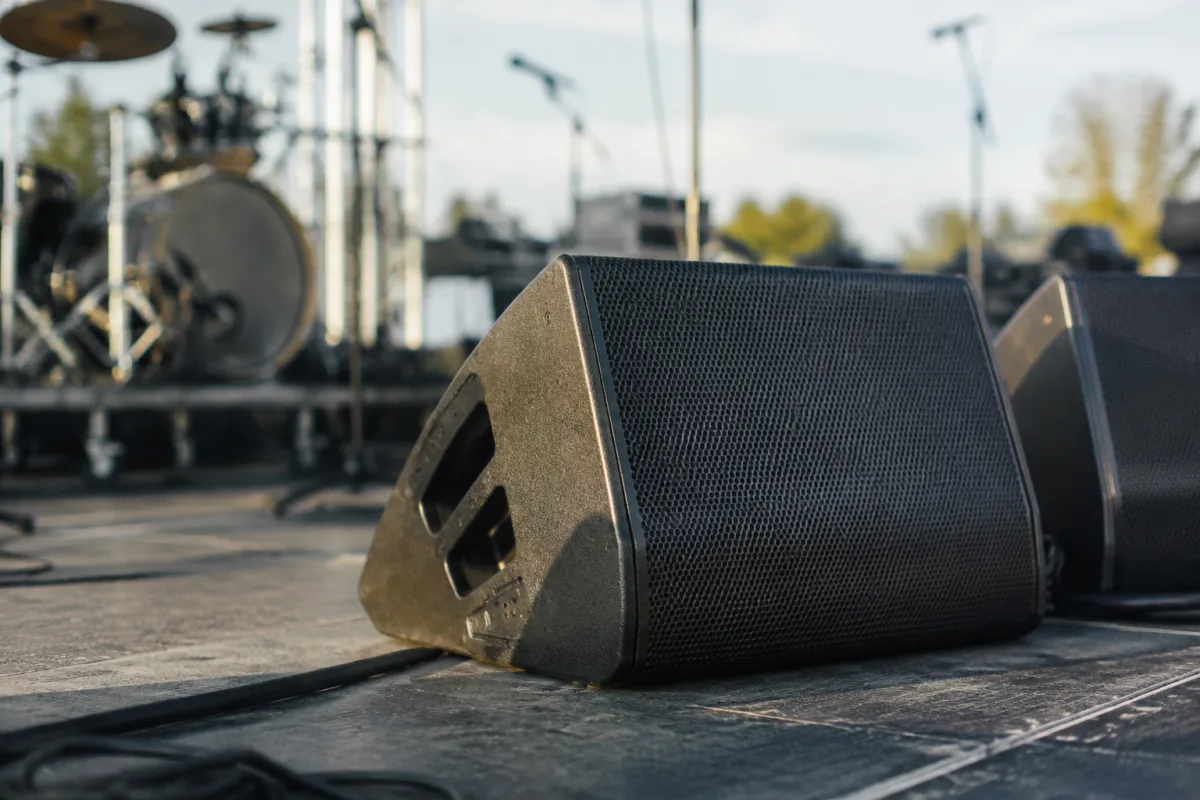
Buying a stage monitor speaker for the first time can feel daunting when you're faced with pages of specifications and wildly varying price tags. Whether you're outfitting a small band's rehearsal space or upgrading a larger venue's monitoring system, understanding what makes a good stage monitor speaker will save you money and prevent costly mistakes. This guide focuses purely on the buying side—what to actually look for when you're selecting and purchasing stage monitor speakers for your needs.
Understanding Your Monitoring Needs
Before you can choose the right stage monitor speaker, you need to be honest about your situation. A solo acoustic performer has vastly different requirements than a five-piece rock band, and a touring operation needs something fundamentally different from a permanent installation in a rehearsal studio.
Start by asking: How many performers need monitoring? What instruments and vocals need to be heard? How large is the space? How often will the stage monitor speaker be moved? Are you managing multiple independent mixes, or will everyone hear the same feed? These questions directly determine which stage monitor speaker models are practical for your budget and setup.
Essential Specifications to Compare
When comparing stage monitor speaker options, focus on these core specifications:
- Frequency Response: A stage monitor speaker should handle at least 50 Hz to 16 kHz to reproduce vocals and instruments clearly. Many professional models extend further, but this range covers most live applications.
- Wattage and Power: Higher wattage means the stage monitor speaker can play louder with less distortion. For small venues, 100–250 watts suffices. Larger spaces need 300–500 watts or more per stage monitor speaker unit.
- Driver Size: A stage monitor speaker typically uses a 12-inch or 15-inch woofer, sometimes with a horn-loaded tweeter. Larger drivers move more air but are heavier; smaller drivers are more portable but less impactful.
- SPL (Sound Pressure Level): This tells you how loud a stage monitor speaker can actually get. Look for models rated 95 dB SPL or higher; anything less won't cut through loud live environments.
- Impedance: Usually 4 or 8 ohms. Match this to your amplifier or mixer output to avoid power loss. A stage monitor speaker's impedance must be compatible with your mixing console's monitor outputs.
Connectors and Compatibility
Ensure your stage monitor speaker has connectors that suit your mixing setup. The standard stage monitor speaker uses XLR input (both male and female connections allow pass-through linking), and many now include 1/4-inch jack options. Check whether your mixing console's monitor outputs match the stage monitor speaker inputs you're considering. Some modern digital mixers offer USB or Dante network connections—if you're using these, find a stage monitor speaker that supports them, or budget for an adapter.
Price Tiers and What to Expect
Budget stage monitor speakers (under £200) suit small rehearsal setups and solo performers. These are typically passive models requiring external amplification, and they're lighter and more portable—good for musicians who gig in multiple venues weekly.
Mid-range stage monitor speakers (£200–£600) include many powered models with built-in amplifiers, making them true plug-and-play solutions. At this price, you get better build quality, clearer sound, and enough power for small to medium venues. This is where most working musicians find good value.
Professional-grade stage monitor speaker systems (£600+) offer tour-ready durability, exceptional audio clarity, and heavy-duty components. Tour companies and permanent installations favour these because repair costs are lower over time, and they tolerate repeated setup/breakdown cycles.
Common Buying Pitfalls to Avoid
Many buyers make the same mistakes when purchasing a stage monitor speaker:
- Underestimating Power Requirements: It's tempting to buy an underpowered stage monitor speaker to save money, but it will sound thin and break up under load. Buy at least 25% more power than you think you need.
- Ignoring Weight and Portability: A heavy stage monitor speaker is useless if you can't move it. For gigging musicians, weight matters as much as sound quality.
- Confusing Stage Monitors with Main Speakers: Don't buy a stage monitor speaker designed for main PA use—it won't have the directional control and compact mounting options you need on stage.
- Skipping the Warranty Check: Cheaper brands sometimes cut corners on warranty. A professional stage monitor speaker should include at least a 2-year warranty.
- Neglecting Placement Support: Ensure any stage monitor speaker you buy comes with a pole mount or stand. Placing it on the ground wastes its directional benefits.
Passive vs. Powered Stage Monitor Speakers
Passive stage monitor speakers require an external amplifier; powered stage monitor speakers have built-in amplification. Powered models are more convenient for most buyers—you simply connect an XLR cable from your mixer and plug into power. Passive stage monitor speakers offer flexibility if you already own a quality amplifier, and they're typically lighter because the amp sits elsewhere.
For most purchasing decisions, powered stage monitor speakers win on simplicity and total cost, especially if you're buying your first monitor system. They remove the need to purchase, cable, and troubleshoot a separate amplifier.
Brand Reputation and Support
Established brands like Yamaha, QSC, Shure, and JBL manufacture reliable stage monitor speakers because their reputation depends on it. Buying a stage monitor speaker from a reputable manufacturer means you'll find replacement parts, firmware updates, and technical support years after purchase. Unknown budget brands may be cheaper upfront, but lack of support becomes expensive when something breaks mid-tour.
Testing Before You Buy
Whenever possible, listen to any stage monitor speaker in person before purchasing. Audio equipment sounds different in different rooms, and your ears are the final judge. If buying online is your only option, check return policies carefully. A stage monitor speaker that sounds perfect in a shop demo might not work in your actual venue.
Conclusion
Buying the right stage monitor speaker comes down to matching specifications to your real-world needs, understanding your budget tier, and avoiding common mistakes. Start by honestly assessing how many performers you're monitoring, how large your typical venue is, and how often you'll be moving equipment. Compare wattage, frequency response, and connectivity across models in your price range, then test if you can. A quality stage monitor speaker is an investment that pays dividends every time you perform, so take your time choosing. For more background on how stage monitors fit into your overall sound system, explore our overview of stage monitor speakers and their role in live audio.


Comments