


Stage Monitor Speaker article
Everything You Need to Know About Monitor Stage Speakers
Stage monitor speakers provide critical auditory feedback for live performers. This guide covers types, setup, and choosing systems for your venue.
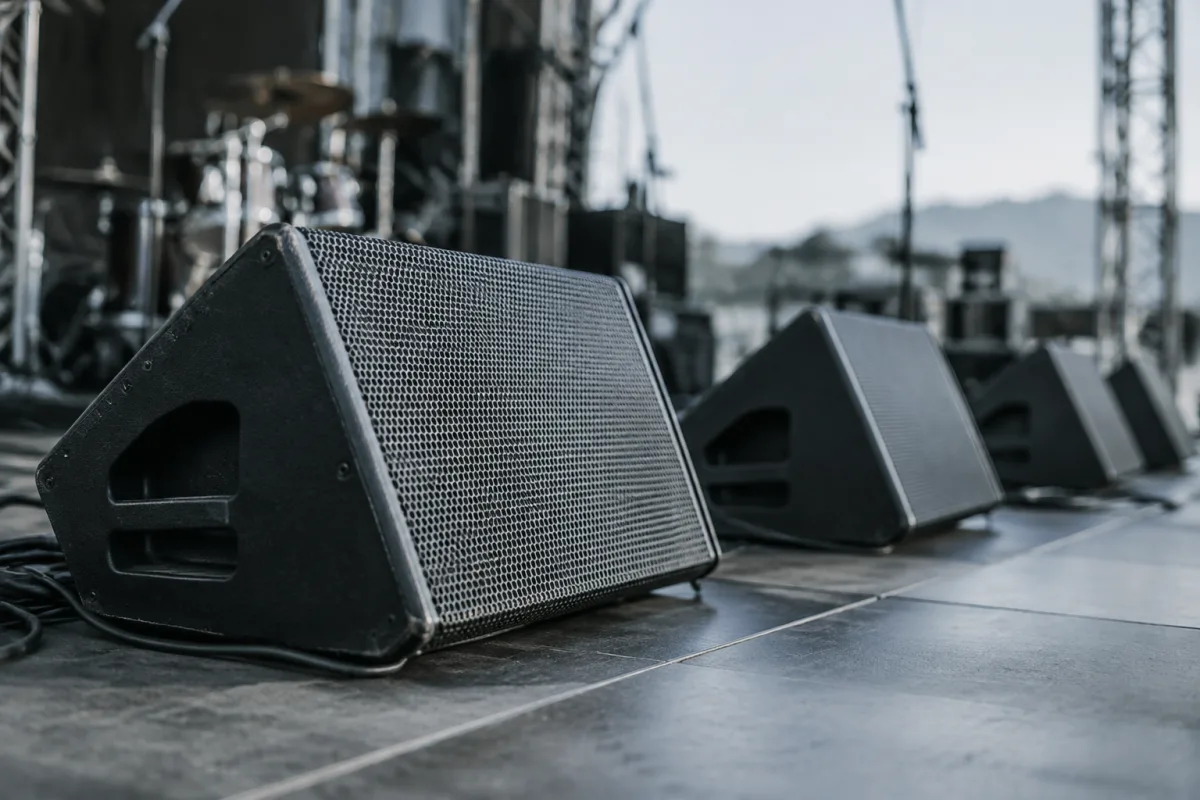
Stage Monitor Speaker: A Complete Guide
A stage monitor speaker is essential equipment for live performances, allowing musicians and performers to hear themselves and stay in time with the band. Whether you're a solo performer or a band playing venues, understanding stage monitor speakers transforms the quality of your live performances. This guide covers everything you need to know about stage monitors, their function, and how to choose the right system for your needs.
What Is a Stage Monitor Speaker?
A stage monitor speaker is a loudspeaker positioned on the stage pointing toward the performers, allowing them to hear a mix of instruments and vocals during their performance. Unlike main loudspeakers that project sound to the audience, stage monitors send sound back to the performers. This feedback allows musicians to hear themselves, stay in time with other band members, and maintain vocal pitch.
Stage monitor systems are essential for professional performances. Without monitors, musicians lose critical auditory feedback, making it nearly impossible to maintain tight rhythm and accurate intonation. Many amateur performances suffer from poor communication between band members simply because they cannot hear each other properly.
How Stage Monitors Work
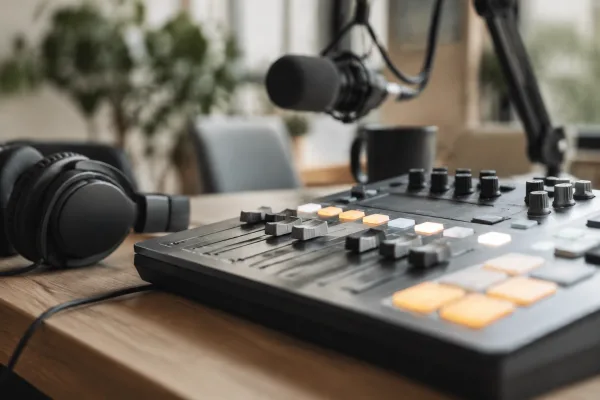
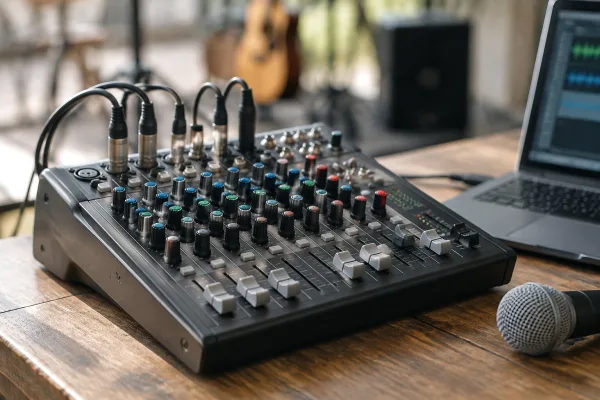
A stage monitor system includes individual speakers, a mixer, microphones, and cabling. Microphones capture vocals and instruments. The stage monitor mixer (wedge or floor monitor) receives audio signals and creates custom mixes for each performer or group of performers. Each performer typically has their own stage monitor speaker receiving a custom mix tailored to their needs.
The lead vocalist might need heavy vocals and kick drum in their monitor to stay on pitch and in time. The bassist needs kick drum and snare to lock in with the drummer. The drummer might need click track and bass to maintain tempo. By creating individual mixes, stage monitor systems let each performer hear exactly what they need to perform well.
Types of Stage Monitor Speakers
Wedge-shaped stage monitor speakers sit on the stage floor angled toward the performer. They're the most common stage monitor type for smaller and mid-sized venues. Wedge monitors are affordable, durable, and easy to position quickly during setup.
Pole-mounted stage monitors attach to microphone stands, pointing upward at performers. Pole monitors work well for performers who move across the stage—they follow the performer instead of remaining fixed in one location. Many touring bands use pole monitors for maximum flexibility.
Active (powered) stage monitors include built-in amplifiers, eliminating the need for separate power amplifiers. Passive stage monitors require external amplification. Modern stage monitor systems are predominantly active, making setup simpler and more portable.
Stage Monitor Speaker Specifications
Typical stage monitors range from 8 to 15 inches in driver size, with 12 inches being common. Larger drivers deliver deeper bass and higher output levels. Output power ranges from 100 to 500 watts depending on venue size and application. A small café performance might use 100-watt monitors, whilst a festival stage needs 300+ watts.
Frequency response typically extends from 80 Hz to 16 kHz, covering vocal frequencies and most musical instruments. Some high-end monitors extend lower to 40 Hz for bands emphasising bass. Look for monitors with consistent frequency response across the designed range for balanced reproduction.
Choosing a Stage Monitor for Your Performance
Start by considering venue size. Small cafés or practice spaces need modest monitors with 100-150 watt output. Medium-sized venues and clubs require 200-300 watt monitors. Large venues and outdoor festivals need 300+ watt monitors. Undersizing stage monitors leads to inadequate feedback; oversizing wastes money and power.
Consider mobility needs. Are you transporting equipment frequently between venues? Lightweight wedge monitors might be preferable. Are you staying in one venue? Pole-mounted monitors offer flexibility for stage movement. Budget considerations also matter—quality active monitors cost £300-800 per unit, meaning a four-channel system might cost £3000+.
Setting Up Stage Monitors
Position stage monitors where performers can hear them clearly. Wedge monitors sit on the stage angled toward the performer at approximately ear level. Avoid placing monitors too far from performers—if they can't hear themselves, they'll step on the microphones trying to hear better.
Start with monitor levels slightly quieter than the main speakers, then adjust based on performer feedback. Performers should hear themselves enough to maintain timing and pitch, but the monitor level should not distract from the main performance.
Digital vs. Analog Stage Monitor Mixers
| Feature | Analog | Digital |
|---|---|---|
| Setup time | Fast | Moderate (initial learning curve) |
| Cost | Lower for small systems | Higher but scales better |
| Flexibility | Limited | Extensive (saved presets, effects) |
| Reliability | Proven, minimal failures | Good, requires backup power |
Common Stage Monitor Issues and Solutions
Feedback (high-pitched squeal) occurs when stage monitor sound enters microphones and recirculates. Solution: position monitors carefully, use cardioid microphones, and keep monitor levels moderate. Delay between main speakers and monitors confuses performers. Solution: position monitors closer or use digital delay to sync timing.
Inadequate bass makes performances feel disconnected. Solution: increase monitor output or add dedicated bass speakers. Excessive stage noise from monitor hum or buzz suggests grounding problems. Solution: check cable connections, ensure proper grounding, and replace damaged cables.
Professional Stage Monitor Systems
Large touring productions employ professional monitor engineers whose sole job is managing stage monitoring. Professional systems include wireless in-ear monitors allowing performers to move freely. Digital stage monitor systems store custom mixes for different songs, speeding up performance setup.
Professional-grade stage monitors cost thousands but deliver reliability and flexibility essential for high-stakes performances. For smaller venues and amateur performances, budget stage monitor systems provide sufficient functionality.
Wireless Stage Monitor Systems
Wireless in-ear monitors use radio frequencies to deliver custom monitor mixes directly to performers' ear buds. This eliminates stage speaker clutter and lets performers move freely. Wireless systems cost more than conventional stage monitors but offer flexibility impossible with wired systems.
Professional touring bands typically combine wireless in-ear systems with main floor monitors, giving performers choices about how they receive feedback. Some prefer the feel of floor monitors; others prefer wireless in-ear systems.
Maintenance and Care
Stage monitors endure intense use and environmental challenges—heat from stage lights, dust, physical impacts, and moisture. Protect monitors with flight cases when transporting them. Inspect cables regularly for damage. Clean monitor grilles to prevent dust buildup affecting sound. Store monitors in climate-controlled environments when not in use.
Conclusion
Stage monitor speakers are non-negotiable for quality live performances. They provide the auditory feedback performers need to stay in time, maintain pitch, and communicate effectively. Invest in a stage monitor system appropriate for your venue size and performance needs. Quality monitors transform the quality of live performances and make the difference between tight, professional-sounding shows and performances where nobody can hear each other properly. Choose stage monitor speakers that match your performance requirements and invest in proper setup and operation.




Comments