


Passive PA Speaker article
Passive Pa Speaker for Beginners: A Complete Guide
A straightforward guide to choosing and using your first passive PA speaker, covering setup, connection, and beginner pitfalls.
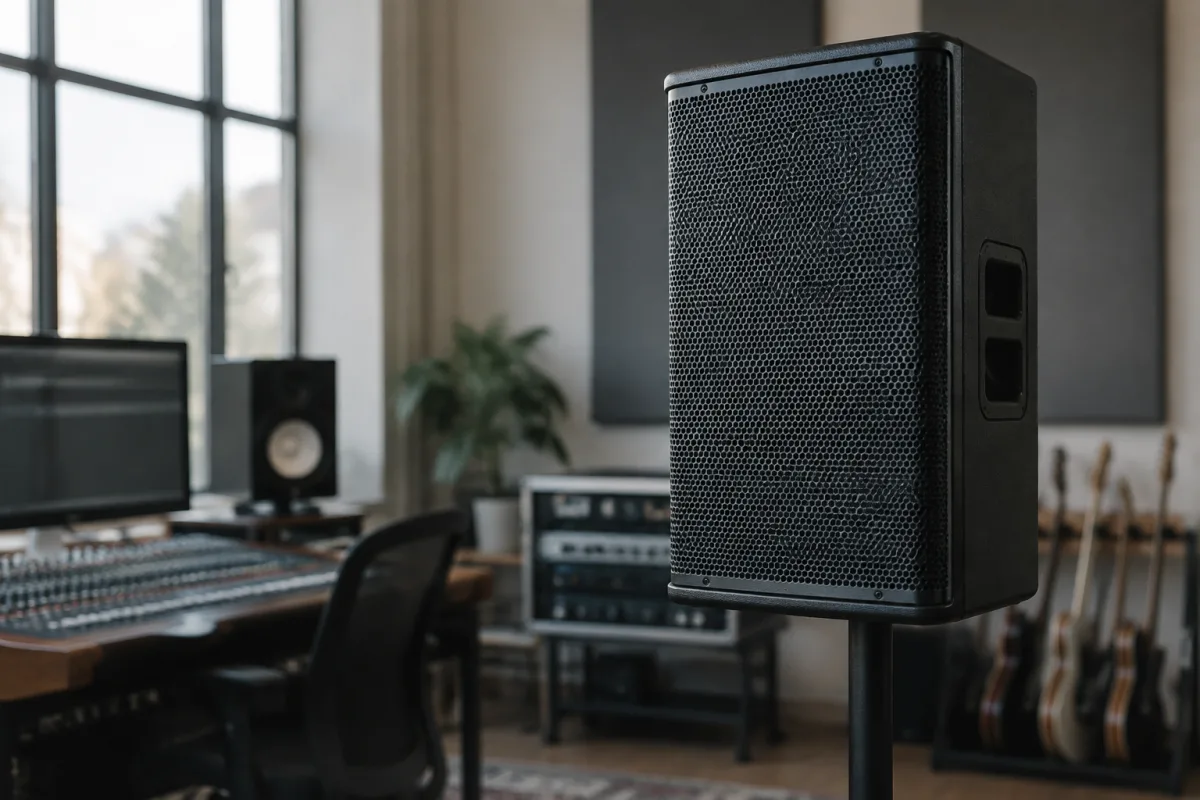
When you're just starting out with live sound, choosing the right equipment can feel overwhelming. If you've heard the term "passive PA speaker" and wondered what it means and whether it's right for you, you're in the right place. This beginner's guide will walk you through everything you need to know about passive PA speakers, from the basics through to getting your first system up and running with confidence.
What Makes a Passive PA Speaker the Simple Choice
A passive PA speaker is one of the most straightforward pieces of audio equipment you can use. Unlike some alternatives that come packed with built-in electronics, a passive PA speaker does one job very well: it takes amplified audio from an external amplifier and converts it into sound. There's no complexity hidden inside—just a robust speaker box containing drivers and a crossover network. This simplicity is actually one of the biggest advantages when you're getting started. You don't have to worry about powering multiple components or managing complicated settings on the speaker itself.
Why Beginners Often Start Here
If you're assembling your first serious sound system, you'll find passive PA speakers in many professional setups for good reason. They're proven, reliable, and they force you to think clearly about your entire signal chain from the start. Because you'll need to purchase an amplifier separately, you might think it's more complicated—but actually, this separation of concerns makes it easier to understand how audio flows from your mixer through the amplifier and finally out through your passive PA speaker. You learn the fundamentals faster, and you'll make better decisions as you expand your system later.
Your First Setup: The Essential Components
Before you get your first passive PA speaker home, make sure you have these three things in place:
- A powered mixer or pre-amplifier – This takes your microphones, instruments, or audio sources and prepares the signal
- An amplifier (amp) – This boosts the weak signal into something powerful enough to drive your speaker
- Speaker cables – Heavy-duty cables that can safely carry the amplified signal from your amp to your passive PA speaker
Don't skip the step of getting the right amplifier. It's not just about watts—it's about matching the amp to your speaker's impedance (usually 4 ohms or 8 ohms) and making sure it can deliver clean power without distortion.
Sizing Your First Passive PA Speaker
As a beginner, start small. Your first passive PA speaker might be an 8-inch or 10-inch two-way cabinet—that's a speaker with a tweeter for highs and a woofer for lows. This size is portable enough to move on your own, doesn't require an enormous amplifier, and will comfortably cover a small venue, rehearsal room, or outdoor gathering. A single speaker is a perfectly valid starting point. You can always add a second one later to double your coverage.
The wattage rating you'll see (e.g., "400W" on the speaker label) tells you the maximum power it can handle. Choose an amplifier that delivers less than that maximum so you stay in a safe, clean operating range. Many beginners make the mistake of thinking louder always means better; it doesn't. Clean, undistorted sound at sensible levels is what separates amateurs from professionals.
Common Beginner Mistakes to Avoid
Learning from others' missteps will save you time and money. Here are the pitfalls that catch newcomers:
- Overdriving the amp – Pushing your amplifier to its maximum output distorts the sound and risks damaging your passive PA speaker
- Using speaker cable for line level – Speaker cable is thick and low-impedance; audio leads are different. Using the wrong cable type will lose signal quality
- Buying amplifier power you don't need – A 1000W amp for a small café is overkill, wastes money, and tempts you to run too loud
- Placing your speaker on the floor facing up – Your audience is standing up. Point your passive PA speaker at ear level or slightly above, or mount it on a stand
- Ignoring cable management – Coiled cables generate heat. Run your speaker cable neatly and separately from audio leads to avoid interference
Getting Connected: The First Time
The moment you wire everything together for the first time is exciting. Here's how to do it safely:
- Turn everything off: mixer, amplifier, and any powered sources
- Connect your audio sources (microphone, instrument) to the mixer using balanced XLR or audio leads
- Connect the mixer output to the amplifier input using appropriate cables
- Connect your amplifier output to your passive PA speaker using speaker cable only (never audio cable)
- Switch on the mixer first, then the amplifier last
- Set all faders to minimum and turn the master volume down
- Switch on one input at a time and slowly bring up the volume
- When finished, switch off the amplifier first, then the mixer
Always power down in reverse order from how you powered up. This protects your equipment from dangerous power-on surges through your passive PA speaker.
Sound Quality and What to Expect
Your first passive PA speaker will sound crisp and clear if you've chosen well. You'll hear vocals with presence and bass that's punchy without being overwhelming. If the sound is thin, muddy, or distorted, check your connections, reduce the mixer levels, and make sure your amplifier isn't clipping. A properly matched passive PA speaker and amp combination should give you confidence that your sound is professional-grade.
Where to Position Your Passive PA Speaker
Location matters more than most beginners realise. Place your passive PA speaker where it has a clear line of sight to your audience—not blocked by obstacles or tucked into a corner where bass builds up unnaturally. If you're outdoors, weatherproof it or use a cover. If you're indoors, avoid placing it near reflective surfaces like windows or hard walls, where sound will bounce and echo. A slightly elevated position (2-3 feet off the ground) usually works best so that sound projects forward at ear level.
The Path Forward
Your first passive PA speaker is just the beginning. Once you're comfortable with it, you'll understand why you might later add a second speaker for stereo coverage, or upgrade to a more powerful amplifier as your venues grow. You might even explore powered speakers eventually—but you'll do so from a position of knowledge, understanding the trade-offs you're making.
For a deeper comparison between passive and active systems, see our comprehensive guide to active or passive PA speakers, which covers the full picture in more detail.
Welcome to the world of professional sound. Your first passive PA speaker is a stepping stone toward mastery—and you're already ahead by taking the time to learn it properly.


Comments