


Passive PA Speaker Buying guide
Passive Pa Speaker: A Complete Buyer's Guide
Choosing a passive PA speaker requires understanding power handling, sensitivity, driver size, and cabinet construction. This guide reveals exactly what specs matter and helps you avoid costly mistakes.
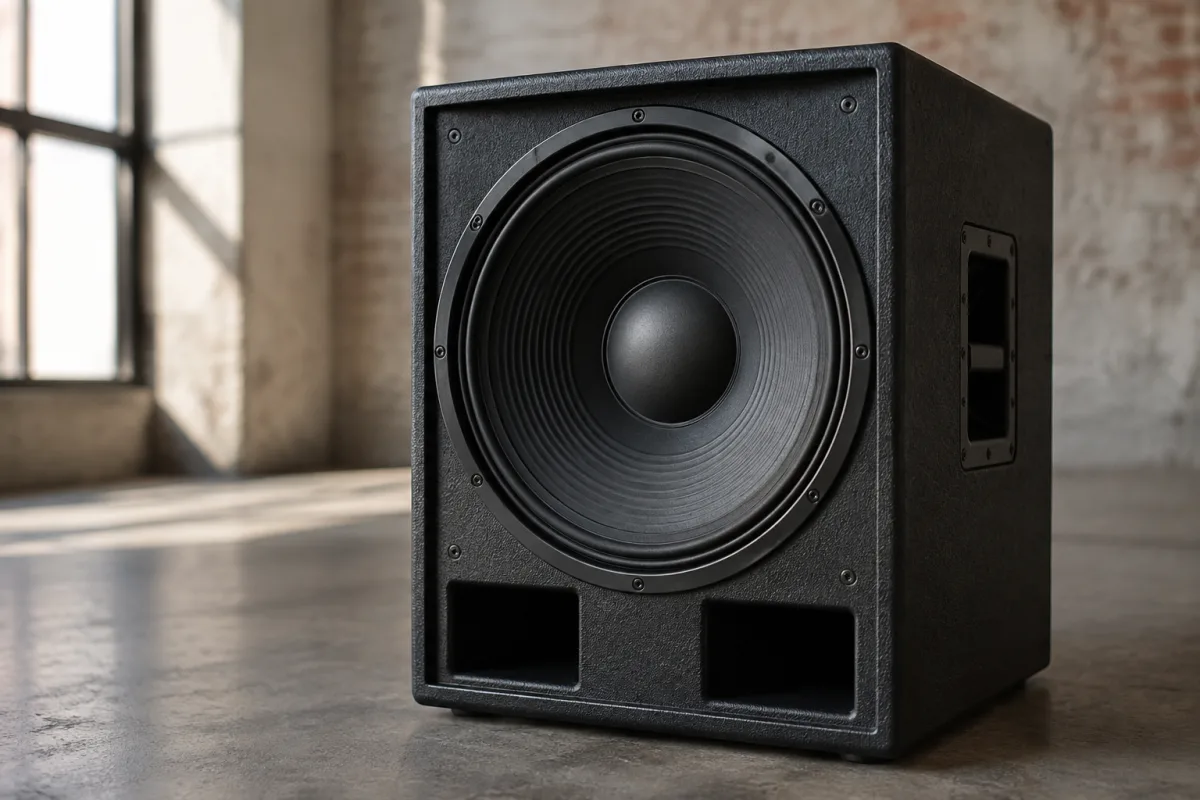
Choosing a passive PA speaker can feel overwhelming, especially when faced with countless specifications, wattage ratings, and technical jargon. However, if you understand what actually matters when you're shopping for a passive PA speaker, you'll make a confident purchase that serves your needs for years to come. This buying guide cuts through the noise and shows you exactly what to evaluate before spending your money.
Understanding Power Handling Ratings
The first thing you'll see listed on any passive PA speaker is its power handling rating, typically shown in watts. Unlike active speakers that have built-in amplifiers, passive speakers depend entirely on an external amplifier to produce sound. You'll see two power ratings: RMS (continuous) and peak (SPL). RMS is what matters for everyday use—this is how much continuous power the speaker can safely handle.
Here's the critical point: your amplifier's output must match the speaker's RMS rating reasonably well. A 300-watt speaker paired with a 50-watt amplifier will sound weak and lifeless. Conversely, plugging a 100-watt speaker into a 500-watt amplifier risks blowing the drivers if you push it hard. Aim for an amplifier that can deliver power within 20% of your speaker's RMS rating on both sides.
Don't confuse peak power with usable power. Peak ratings are marketing numbers that reflect momentary peaks in music, not sustained output. When comparing passive PA speakers, compare RMS ratings speaker to speaker, and match that to your amplifier choice.
Sensitivity and SPL: Critical Factors for Volume
Sensitivity, measured in decibels (dB), tells you how loud a speaker gets when fed a standard amount of power. A higher sensitivity number (like 95 dB) means the speaker produces more volume from the same wattage than a lower-sensitivity speaker (like 88 dB). This difference is massive—every 3 dB represents a doubling of perceived volume.
Maximum SPL (sound pressure level) is how loud the speaker can go at its peak without distorting. For a small venue or modest gig, you might get by with 95–100 dB SPL. Large outdoor events or festivals require 110+ dB SPL. Check both the sensitivity rating and the maximum SPL specification before committing to a purchase, especially if you're shopping on a budget and need to squeeze every decibel from your rig.
Driver Size and Frequency Response
Passive PA speakers come with woofers (low-frequency drivers) ranging from 12 inches to 18 inches, with 15-inch and 12-inch being the most common for portable rigs. Driver size affects how much bass the speaker can move. A 15-inch woofer gives you deeper bass extension than a 12-inch, which matters if you're reinforcing bass guitar or live drums.
However, larger drivers require more amplifier power to move efficiently. A 12-inch system is easier to move and requires less power, making it ideal for small venues and touring bands with limited PA budgets. An 18-inch subwoofer paired with 12-inch or 15-inch tops gives you professional-grade bass response but demands serious amplification and physical space.
Frequency response specifications show the range of frequencies a speaker reproduces. Full-range passive PA speakers typically handle 40 Hz to 20 kHz. If a speaker's low-frequency limit is 60 Hz or higher, you're losing important bass and will need a separate subwoofer to fill the gap. Don't ignore this specification—it directly affects the quality of your mix.
Cabinet Construction and Durability
The cabinet itself makes a real difference in how long your passive PA speakers last and how well they perform. Look for the following features:
- Plywood construction: Real plywood (typically 12 mm or thicker) withstands touring better than MDF or cheaper particleboard. Plywood resists warping and impact damage.
- Bracing: Internal bracing prevents the cabinet walls from vibrating sympathetically, which can muddy the sound and weaken the structure. More internal cross-bracing means better sound and durability.
- Handle and rigging points: A passive PA speaker is heavier than an active one. Sturdy handles and properly positioned rigging points make life easier and prevent accidents.
- Protective grille: A metal grille over the drivers protects against accidental damage during transport and setup.
- Weather resistance: If you're using passive speakers outdoors, check for water-resistant coating and speaker materials that won't degrade in UV light.
Impedance: What You Need to Know
Passive PA speakers have an impedance rating—either 4 ohms, 8 ohms, or sometimes a combination. This number describes the electrical resistance the speaker presents to your amplifier. Most modern amplifiers work with either 4-ohm or 8-ohm speakers, but not both equally well.
Check your amplifier's specifications and match the speaker impedance accordingly. Mismatched impedance won't permanently damage modern equipment (most amplifiers have automatic protection), but it will reduce efficiency and volume output. If you're stacking two passive speakers on the same channel, impedance matters even more—two 8-ohm speakers in parallel become 4 ohms, and your amplifier must be rated for that configuration.
Price Tiers and What They Mean
Passive PA speakers range dramatically in price, and understanding what you're paying for helps you get genuine value:
- Budget tier (£150–400): Entry-level passive speakers work for small venues and practice. Expect heavier cabinets, simpler crossovers, and basic drivers. These are suitable for bands starting out or for temporary installations.
- Mid-range tier (£400–1,000): The sweet spot for most gigging musicians. Better cabinet construction, higher-quality drivers, and improved crossovers deliver noticeably better sound. Amplifier requirements are more reasonable.
- Professional tier (£1,000–3,000+): Premium drivers, advanced cabinet design, and professional-grade components. These handle demanding venues, longer touring schedules, and mixed genres without strain.
Don't assume expensive always means better for your needs. A mid-range 15-inch passive speaker often outperforms a cheaper 18-inch model in sound quality and reliability. Buy based on the venue size you're serving and the genres you're mixing, not just the price tag.
Common Buying Mistakes to Avoid
Watch out for these pitfalls when shopping for your passive PA speaker system:
- Undersizing your amplifier: A 300-watt speaker needs at least 250 watts of amplifier power. Cheap, underpowered amplifiers will struggle and may introduce clipping and distortion.
- Overestimating how many speakers you need: One quality 15-inch passive speaker with a decent amplifier handles most small-to-medium venues. Two speakers give you flexibility for larger spaces or stereo coverage.
- Ignoring frequency response: A speaker that doesn't go below 80 Hz will sound thin and weak. Always check this specification.
- Buying speakers without trying them: If possible, listen to the exact model before purchasing. Specifications tell you what's on paper, but your ears tell you if the sound suits your taste and mix.
- Forgetting about transport: A passive speaker is heavy—sometimes 30+ kilograms. Ensure you have reliable transport and reasonable setup logistics before committing to a large cabinet size.
Matching Passive Speakers to Your Amplifier
Before finalizing your purchase, confirm compatibility with your amplifier. Check that the amplifier's output (in watts) aligns with the speaker's power handling (RMS rating). Verify impedance matching—if your amplifier is designed for 8-ohm loads, don't buy 4-ohm speakers unless your amp explicitly supports both.
Consider whether you'll use the speaker alone or stack multiple units. Some amplifiers allow you to run two passive speakers per channel if the impedance is compatible. Planning ahead prevents costly mistakes and ensures your entire system works cohesively.
When to Choose Passive Over Active
If you're comparing passive and active PA speakers, passive systems make sense when you already own a quality amplifier, want maximum flexibility in component choice, or need to match existing gear. For more context on this decision, our guide to active versus passive PA speakers walks through the full comparison.
Passive PA speakers demand more planning than their active counterparts, but they reward that effort with flexibility, upgradability, and often superior sound quality. Use this buying guide to evaluate power handling, sensitivity, driver size, cabinet build, impedance, and price point. Cross-check your selections against your amplifier's capabilities, listen to models in your price range, and avoid the common mistakes outlined here. By following these steps, you'll invest in a passive PA speaker system that delivers professional sound for years of gigging.


Comments