


Powered Audio Mixer article
The Complete Guide to Powered Audio Mixer
Master powered audio mixers—the all-in-one solution combining mixing console and amplifier. Learn advantages, limitations, and how to select the perfect powered audio mixer for your venue.
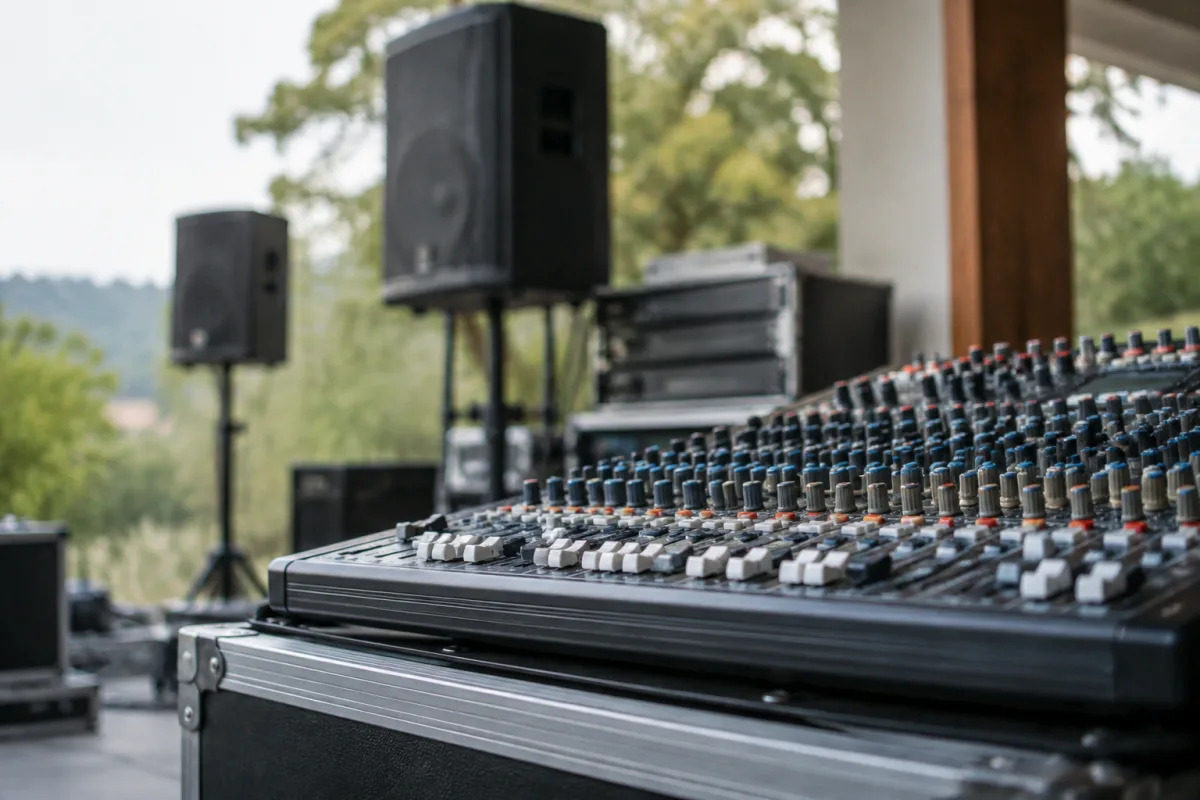
For small-to-medium venues, studios, and mobile sound operations, a powered audio mixer represents the most practical solution to mixing and amplifying multiple audio sources simultaneously. Unlike traditional passive mixers that require external amplifiers, a powered audio mixer integrates amplification directly into the unit, delivering a complete sound reinforcement system from a single piece of equipment. Whether you're running live music events, managing a small worship space, or setting up a home recording environment, understanding powered audio mixers is essential to choosing the right tools for your needs.
What Is a Powered Audio Mixer?
A powered audio mixer is a control centre and amplifier combined into one chassis. On the input side, it accepts multiple line-level or microphone signals (typically 4–24 channels on small to mid-sized models). The mixing stage allows you to adjust level, EQ, and effects per channel. The integrated amplifier then drives powered speakers at whatever volume you've mixed. In essence, a powered audio mixer eliminates the need for a separate power amplifier—everything happens in one self-contained unit.
Advantages of Powered Audio Mixers
Space and Portability
The defining advantage of a powered audio mixer is compact size. By eliminating the separate amplifier component, a powered audio mixer saves valuable space in a studio or live venue. For touring or mobile applications, a single powered audio mixer plus speakers is far more portable than a passive mixer paired with rack-mount amplifiers and cable runs. This compactness makes powered audio mixers ideal for touring bands and travelling sound engineers.
Cost Efficiency
Buying a powered audio mixer is typically cheaper than purchasing a quality passive mixer and then adding a separate power amplifier of matching quality. A powered audio mixer bundles these components at a lower price than purchasing them separately, making it an economical entry point into sound mixing for budget-conscious users.
Simplified Setup
A powered audio mixer requires fewer cables and connections than a traditional system. You connect your sources to the mixer inputs and run speaker cables to your powered speakers. There are no separate amplifier connections, no rack-mount considerations, and no redundant cable runs. Setup is faster and troubleshooting is simpler—fewer connection points means fewer potential failure points.
Integrated Safety Features
Quality powered audio mixers include built-in amplifier protection: thermal limiters to prevent overheating, clip protection to prevent distortion, and sometimes automatic gain control. These safeguards are built into the amplifier section, protecting both the equipment and your speakers from damage.
Limitations of Powered Audio Mixers
Amplifier Power Fixed to Unit Size
The amplifier power in a powered audio mixer is constrained by the physical size of the chassis. If you need more amplification down the road, you can't upgrade the amp independently—you must replace the entire powered audio mixer. With a traditional passive mixer and separate amplifier, you could upgrade just the amp.
Less Flexibility for Expansion
A powered audio mixer's output is fixed—typically a stereo pair of outputs to powered speakers. If you later need to add subwoofers, split monitoring, or complex multi-zone distribution, a powered audio mixer becomes limiting. A traditional system with separate amplifier(s) offers far greater flexibility for future expansion.
Potential Heat Dissipation Issues
Combining mixer and amplifier in one chassis generates substantial heat, particularly in compact designs running at high volume for extended periods. Some powered audio mixer models have inadequate cooling, leading to thermal limiting or shutdowns. Quality units have proper ventilation; budget powered audio mixers sometimes suffer heat management problems.
Common Powered Audio Mixer Configurations
Small Powered Audio Mixers (6–12 Channels)
Compact powered audio mixers with 6–12 channels and 100–500W of amplification suit small venues, rehearsal rooms, and home studios. These powered audio mixer units are lightweight, affordable, and sufficient for acoustic acts, DJ setups, or worship spaces with modest requirements. Examples include Behringer PMP series and Yamaha MG series (with powered versions).
Mid-Size Powered Audio Mixers (16–24 Channels)
Professional touring acts and larger venues typically use powered audio mixers in the 16–24 channel range with 500W–2000W of amplification. These powered audio mixer units offer better build quality, more sophisticated EQ and effects, and adequate power for proper sound reinforcement. Brands like Mackie, Allen & Heath, and Soundcraft lead this category.
Digital Powered Audio Mixers
Modern digital powered audio mixers replace mechanical faders with touch screens and offer advanced features: scene memory, wireless control via apps, built-in recording to USB, and sophisticated digital effects processing. These powered audio mixer units command premium prices but offer tremendous creative flexibility and future-proofing.
Choosing the Right Powered Audio Mixer for Your Needs
Channel Count
Determine how many input channels you'll actually use. A powered audio mixer with excessive channels adds cost and complexity you don't need. Conversely, buying one with too few channels forces you to rent additional mixing gear or turn away inputs. Aim for 2–4 more channels than your typical setup requires, leaving room for growth.
Amplifier Power
For a powered audio mixer, amplifier wattage matters, but it's not the whole story. The amplifier must match your speakers' impedance (typically 4 or 8 ohms) and provide adequate power to drive your chosen speakers at intended volume levels. Under-powered powered audio mixers sound strained and distorted; over-powered units waste money unnecessarily.
Built-In Effects and EQ
Entry-level powered audio mixers offer basic EQ (treble/bass only). Professional models include parametric or graphic EQ plus reverb, delay, and compression on select channels. Assess which effects matter for your use—a powered audio mixer with excessive bells and whistles you'll never use is money wasted.
Build Quality and Cooling
Examine ventilation on the back panel of any powered audio mixer you're considering. Look for multiple cooling vents (not just one small grille) and test thermal performance if possible. Check durability—metal chassis are preferable to plastic. Read reviews specifically noting heat issues on powered audio mixer models in your budget range.
Practical Tips for Using Powered Audio Mixers
Never push a powered audio mixer's master fader into the red—clip indicators exist for a reason. Set your input gains so peaks register around –6dB to –3dB on the channel metres, then control overall volume with the master fader. This approach prevents digital clipping and keeps your tone clean.
Ensure adequate ventilation around your powered audio mixer, particularly if using it continuously at high volume. Don't block the cooling vents on the rear panel, and keep the unit at least 15cm from walls or obstacles. Overheating reduces amplifier reliability and can cause shutdowns during critical moments.
Conclusion
A powered audio mixer is the sensible choice for small-to-medium sound applications where space is limited, budget is tight, and complexity is unwelcome. Whilst not suitable for massive touring operations or studios requiring maximum flexibility, a quality powered audio mixer delivers genuine professionalism and reliability for churches, small clubs, rehearsal spaces, and travelling musicians. Choose one with adequate channel count, proper amplifier power, and good build quality, and you'll have a tool that serves reliably for years.


Comments