


Powered Audio Mixer Buying guide
Powered Audio Mixer: A Complete Buyer's Guide
Selecting a powered audio mixer requires understanding wattage, channel count, build quality, and whether integrated amplification suits your venue. This guide covers specifications, price tiers, and how to match equipment to your sound setup.
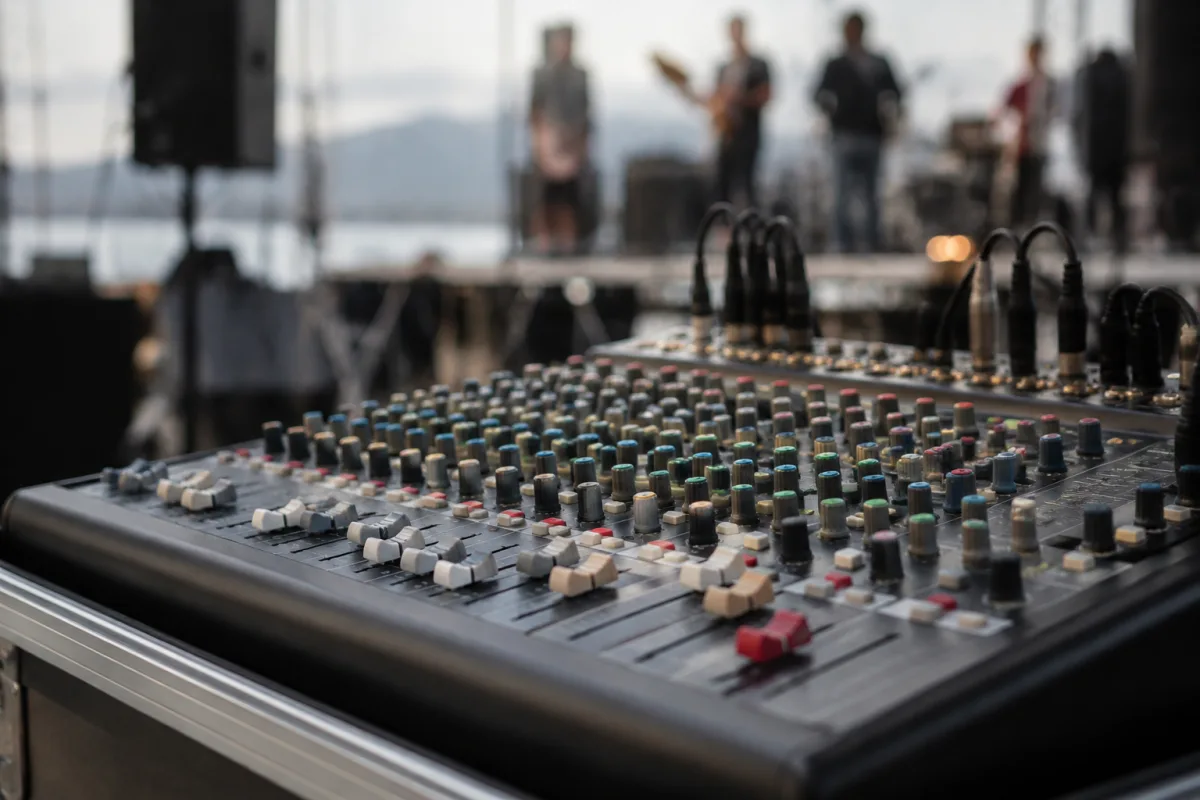
A powered audio mixer combines mixing console functionality with integrated amplification, eliminating the need for separate amplifiers and external speakers in many live sound applications. Selecting the right powered audio mixer requires understanding wattage, channel count, built-in effects, and whether your venue size and application genuinely need integrated power. This buying guide helps you choose wisely and avoid expensive equipment that overshoots or undershoots your actual requirements.
What Is a Powered Audio Mixer & Why It Matters
A powered audio mixer differs fundamentally from a passive mixing console. Traditional setups require a separate mixing console, amplifier, and speakers—three pieces of equipment connected together. A powered audio mixer integrates the amplifier directly into the mixer chassis, outputting amplified signal ready for speakers. This simplification reduces cable runs, eliminates equipment racks, and cuts cost compared to separate components.
However, integration isn't always superior. Powered mixers sacrifice flexibility; you can't upgrade the amplifier independently if sound quality declines over time. For permanent installations or touring rigs, separating these components often provides better long-term value.
Critical Specifications When Buying
Understanding what specifications actually matter prevents overpaying for features you won't use:
- Power Output (Watts RMS): Real-world power matters more than peak wattage claims. Look for RMS ratings, typically per-channel. A 100W RMS powered mixer delivers substantially more output than 100W peak. For small venues (under 100 people), 50–100W per channel suffices. Larger venues (200+ people) demand 200W+. Calculate based on venue size and acoustic environment, not marketing hype.
- Channel Count: How many audio inputs do you genuinely need? A band with three microphones, two instruments, and backing track playback needs six inputs. Budget powered mixers offer 4–8 channels; professional models range 12–32 channels. Oversizing bloats cost and complexity.
- Input Types & Impedance: Do your microphones, instruments, and devices match the mixer's input options (XLR, 1/4-inch, RCA, 3.5mm)? Impedance matching affects signal quality. Professional mixers handle both microphone-level (low impedance) and line-level (high impedance) signals seamlessly.
- Built-In Effects & EQ: Reverb, delay, and compression effects are convenient but rarely essential. 3-band EQ (bass, mid, treble) is standard; parametric EQ offers more control for experienced operators. Decide which effects actually improve your sound versus adding complexity.
- Frequency Response: Most powered mixers reproduce 20Hz–20kHz adequately for live sound. Professional models with flatter response curves (±3dB or better) reveal more audio detail, useful for critical applications. Budget mixers often have coloured response that adds bass or treble artificially.
Powered Audio Mixer Price Tiers & Real-World Applications
Budget determines which features and power levels you access. Understand what each tier delivers:
- Compact Entry Mixers (£300–700): 4–8 channels, 50–150W per channel, basic EQ, lightweight plastic chassis. Ideal for small worship spaces, rehearsal studios, or acoustic performance setups. Not suitable for touring or outdoor events where durability matters.
- Mid-Range Professional Mixers (£700–2,000): 8–16 channels, 150–300W per channel, multiple effect engines, more robust construction, parametric EQ. These handle bars, nightclubs, mid-sized venues, and touring bands comfortably. Build quality jumps noticeably; longevity extends to 5–10 years of regular use.
- High-End/Touring Mixers (£2,000–5,000+): 16–32 channels, 300W+ per channel, professional-grade effects, metal chassis, extensive routing options, USB recording. These handle festival main stages, permanent installations, and demanding touring productions. Overkill for most applications but indispensable for professional sound engineers.
Powered Audio Mixer Selection by Application
Your specific use case shapes which features matter. Review the complete guide to powered audio mixer for full model comparisons:
- Worship & Community Venue (50–150 people): Compact entry mixer (£400–600) with 6–8 channels and 100–150W per channel. Focus on reliability and simplicity over effects. Worship applications rarely need advanced features; consistent sound matters most.
- Live Band (Bar/Nightclub, 100–300 people): Mid-range mixer (£1,000–1,500) with 12–16 channels, 200W+ per channel, quality reverb, and parametric EQ. Durability for weekly use is essential. Invest in build quality here.
- Touring/Festival Sound (300+ people or outdoor): Professional mixer (£2,000+) with extensive channels, high power output, robust construction, and comprehensive routing. Professional engineers typically choose separate mixer/amplifier/speaker components over integrated powered mixers at this scale, offering more flexibility.
- Rehearsal Studio / In-House Recording: Mid-range mixer (£800–1,200) with USB recording capability, multiple effects, and adequate power for monitoring. Focus on sound quality and effects rather than touring durability.
Common Buying Mistakes & How to Avoid Them
Steer clear of these pitfalls:
- Overestimating Power Needs: Most venues don't need 500W per channel. Excessive power creates heat, draws more electricity, and costs more. Calculate based on realistic venue size and acoustic environment. Underpowering causes distortion during peaks; this is a genuine problem worth avoiding through proper sizing.
- Ignoring Build Quality for Cost: A £400 powered mixer might last two years under regular use. A £900 mid-range mixer survives five years of weekly performance. For touring or regular venues, investing in durability saves money long-term.
- Choosing Features Over Sound Quality: A mixer with 30 effects but mediocre preamps delivers poor sound. Prioritise clean amplification and quality preamps. Effects are secondary to raw audio quality.
- Overlooking Connectivity:** Will this mixer integrate with your existing equipment? Do you have XLR microphone cables, 1/4-inch instrument cables, or RCA connections? Mismatched connectors require expensive adapters. Verify physical compatibility before purchasing.
- Underestimating Channel Count: Running out of mixer channels mid-performance is frustrating. Purchase at least 2–3 more channels than your current needs. Growth is inevitable.
- Selecting Powered Mixer When Separate Components Are Better: For touring professionals or permanent installations, separate mixer/amp/speaker systems offer superior flexibility and upgrade paths. Powered mixers suit venues with dedicated permanent installations or compact mobile setups.
Maintenance & Longevity Factors
A quality powered audio mixer requires minimal maintenance but benefits from care:
- Ventilation: Ensure adequate airflow around the mixer to prevent overheating. Built-in amplifiers generate significant heat. Poor ventilation shortens amplifier lifespan.
- Cable Management: XLR and instrument cables degrade with use. Inspect regularly for damaged connectors or bent pins. Quality cables prevent intermittent audio issues and ground loops.
- Power Protection: Use a quality power strip with surge protection. Voltage spikes damage amplifier circuits. Some professional mixers include built-in protection; budget models don't.
- Firmware Updates: Many modern powered mixers receive software updates. Check manufacturer support periodically; updates improve compatibility and fix bugs.
Used Powered Mixers: Value vs. Risk
Secondhand powered mixers can save 40–60% compared to new, but risks exist. Amplifiers degrade with use and abuse; a used mixer might deliver less power or thermal stability than new. Test all channels thoroughly before purchase. Request the unit's service history. Without warranty coverage, costly repairs fall on you. For professional use, new equipment with warranty justifies the cost premium.
Making Your Purchase Decision
Start by accurately assessing your venue size, channel count needs, and portable versus permanent installation requirements. Calculate realistic power needs rather than buying maximum wattage. Prioritise build quality and sound quality over feature count. Powered audio mixers suit many applications but aren't universally optimal; sometimes separate components offer better value. Test models in person if possible, and choose equipment you'll actually grow into rather than equipment you'll outgrow immediately.


Comments