


Live Mixing Console article
Live Mixing Console for Beginners: A Complete Guide
Learning the fundamentals of live mixing consoles is far more accessible than intimidating console layouts initially suggest.
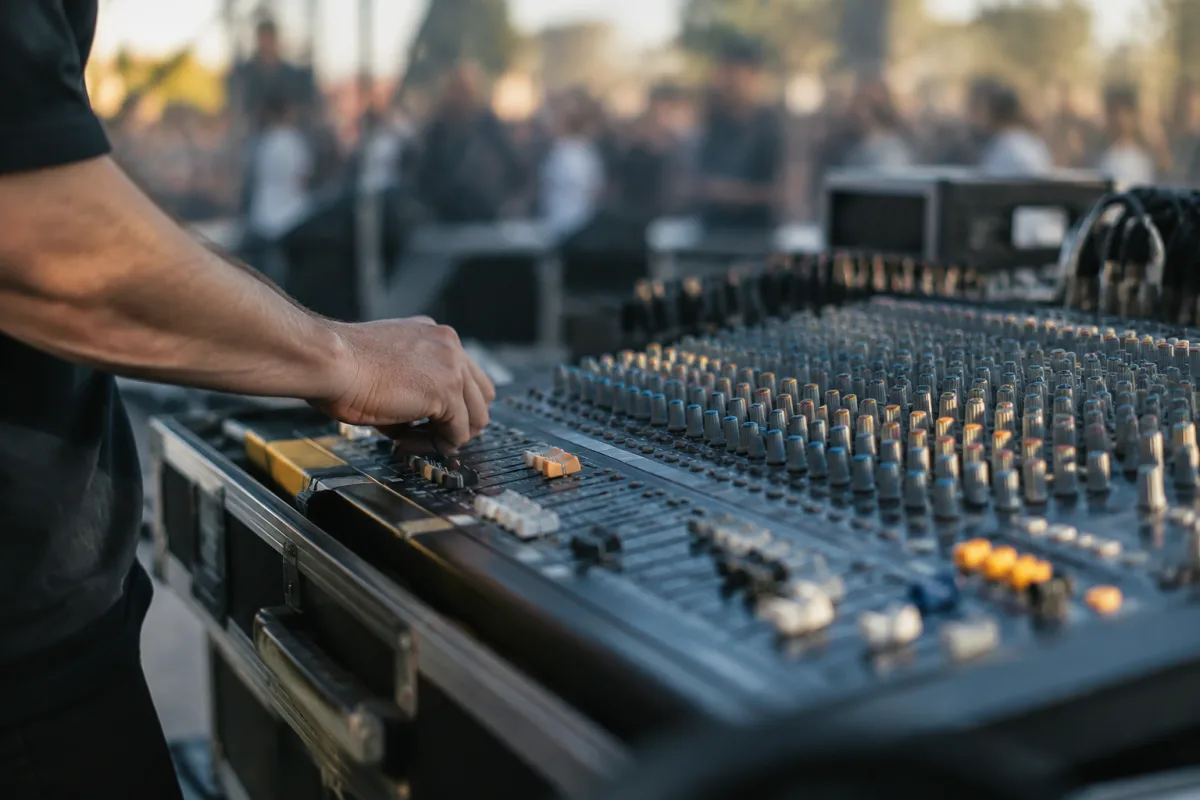
Starting a career in live sound can feel intimidating when you first encounter a live mixing console. Dozens of faders, buttons, and displays suggest complex technology that only experienced professionals could possibly understand. However, learning the fundamentals of live mixing consoles is far more accessible than intimidating console layouts initially suggest. This beginner's guide demystifies live mixing consoles and shows you that beneath the apparent complexity lies a logical, learnable system. Understanding console basics builds the confidence you need to start a rewarding career in live sound engineering.
What a Live Mixing Console Actually Does
A live mixing console is the central control centre for sound at any live event. It receives audio signals from various sources—microphones, instruments, playback devices—processes those signals, and sends them to speakers and headphone monitors. Think of it as the instrument that shapes and controls all sound during a performance. For comprehensive technical information about various console models and capabilities, explore our complete guide to live mixing consoles.
Why Beginners Benefit from Understanding Live Mixing Consoles
Learning about live mixing consoles offers several important advantages:
- Essential career foundation: Live sound engineering is a viable career path. Understanding consoles opens doors to paying work in venues, studios, and touring operations.
- Logical systems: Despite appearances, consoles follow logical principles. Once you understand fundamental concepts, navigating new consoles becomes straightforward.
- Immediate practical application: Learning console basics allows you to contribute meaningfully to live events almost immediately.
- Transferable knowledge: Console fundamentals apply across different models and manufacturers. Learning one console teaches principles useful for all consoles.
- High demand skills: Competent live sound engineers remain in constant demand. Developing these skills creates employment opportunities.
Understanding Console Fundamentals
Live mixing consoles, despite their apparent complexity, operate on simple principles. Every console, from entry-level models to professional touring equipment, follows consistent design logic:
Input Channels: Each channel receives audio from a microphone or instrument. The channel provides controls to adjust that audio's volume, tone, and effects. Fifty channels simply means fifty independent input signals, each with identical controls.
Master Controls: After processing through channels, all audio feeds to the master section, which controls overall output level and routing. This master section manages final volume sent to main speakers and monitor systems.
Routing and Processing: Audio flows from inputs through channels, then to master outputs. Along the way, it passes through processing like EQ (tone shaping) and effects. This flow is consistent across all modern consoles.
Visual Feedback: Meters and displays show signal levels, helping you understand whether audio is appropriately balanced. Learning to read these meters teaches you to make correct mixing decisions.
Getting Started: Your First Steps with a Live Mixing Console
If you're new to live mixing consoles, follow these beginner-friendly steps to build confidence:
- Study the manual: Modern consoles ship with comprehensive documentation. Reading the manual thoroughly before attempting operation prevents confusion and helps you discover features systematically.
- Learn the signal flow: Understand how audio enters the console, travels through channels, and exits to speakers. This fundamental understanding clarifies everything else.
- Master one channel first: Practice with a single input channel before attempting to mix multiple sources. Adjust level, EQ, and effects on this single channel until comfortable.
- Gradually add complexity: Once confident with one channel, add additional inputs. Learn to balance multiple sources without overwhelming yourself.
- Practice with music you know: Mix albums or live recordings where you know the source material well. This familiarity allows you to focus on console operation rather than musical problem-solving.
- Observe experienced engineers: Watch professionals operate consoles during real events. Ask questions and volunteer to assist. Mentorship accelerates learning dramatically.
- Work small events first: Start with small gigs where mistakes cause minimal consequence. Build experience and confidence on low-pressure situations before working larger events.
Common Beginner Mistakes with Live Mixing Consoles
As you start your live sound journey, avoid these frequent errors:
Being intimidated by complexity: Console layouts appear overwhelming to beginners. Remember that apparent complexity masks fundamental simplicity. Break the console into logical sections and learn systematically rather than trying to understand everything simultaneously.
Skipping the manual: Many beginners feel embarrassed reading documentation or assume intuition will guide them. The manual is your friend. Reading it thoroughly prevents costly mistakes and reveals features you'd otherwise miss.
Cranking all faders up: A common beginner error is setting everything to maximum volume. Proper mixing requires restraint—most faders remain at moderate levels. Start low and adjust gradually upward.
Ignoring signal flow: Not understanding how audio travels through the console creates confusion when troubleshooting problems. Invest time learning signal flow fundamentally—this single skill prevents countless headaches.
Making excessive adjustments during events: Beginners often continuously tweak controls, creating instability. The best mixing often involves minimal movement. Set levels correctly during soundcheck, then maintain stability during performance.
Neglecting level management: Using the meter system to ensure proper signal levels is essential. Making mixing decisions without consulting meters leads to problems. Always check meters to confirm your adjustments achieve intended results.
Different Console Types for Different Learning Situations
Live mixing consoles vary significantly, from compact portable models to massive touring consoles:
Small Portable Consoles: Ideal for learning fundamentals. These simplified interfaces feature essential controls without overwhelming complexity. Perfect for practising in less-pressured situations.
Medium Professional Consoles: Used in mid-sized venues, these offer more sophisticated features while remaining approachable for learning. They represent what most small-to-medium live events use.
Large Touring Consoles: Used for major events, these feature extensive processing and routing options. Professional touring engineers operate these—learning on simpler consoles first builds foundations for understanding touring equipment.
As a beginner, learning on smaller, simpler consoles builds confidence and fundamental understanding. Advancing to professional equipment happens naturally as your skills develop.
Building Your Confidence
Live sound engineering intimidates many beginners because consoles appear forbidding. This intimidation typically evaporates once you realise that underneath the overwhelming button count lies logical, systematic operation. Your first successful mix—even something simple—builds disproportionate confidence. Each event you work strengthens your capabilities and comfort.
Professional live sound engineers all started exactly where you are—feeling uncertain about complex equipment. Their success came from systematic learning, consistent practice, and willingness to make mistakes and learn from them. Your journey begins now with humility, curiosity, and determination to master these fascinating systems.
Your Learning Path Forward
Start your learning journey by studying console fundamentals. Understand signal flow completely. Practice with simple input configurations before advancing to complexity. Work small events where you can learn without excessive pressure. Seek mentorship from experienced engineers. Gradually increase event complexity as your confidence grows. This methodical approach ensures steady, sustainable skill development.
Remember that becoming proficient at live sound mixing takes months of consistent practice, not weeks. Patient, persistent learning beats attempting shortcuts. Trust this process, stay curious, and let yourself gradually become comfortable with equipment that initially seemed impossibly complex. Your live sound career awaits.



Comments