


16 Channel Mixer Buying guide
16 Channel Mixer: A Complete Buyer's Guide
Choosing the right 16 channel mixer involves understanding preamp quality, routing flexibility, and your actual needs. This buying guide covers specs that matter, price tiers, and common mistakes to avoid.
Choosing the right 16 channel mixer for your setup can feel overwhelming with so many options available. Whether you're building a mobile PA system, upgrading your studio, or outfitting a small venue, understanding what matters in a 16 channel mixer will help you make a sound investment. This guide focuses on the practical buying considerations that separate a wise purchase from a costly mistake.
Channel Capacity: More Than Just Numbers
A 16 channel mixer gives you substantial flexibility without the complexity of larger consoles. Before buying, consider whether those 16 channels genuinely match your needs. Think about your typical setup: how many microphones, instruments, and playback sources do you usually mix simultaneously? A 16 channel mixer offers breathing room for most small-to-medium applications, but verify you're not squeezing in too much equipment or alternatively overspending on unused inputs.
Fader Types and Control Layout
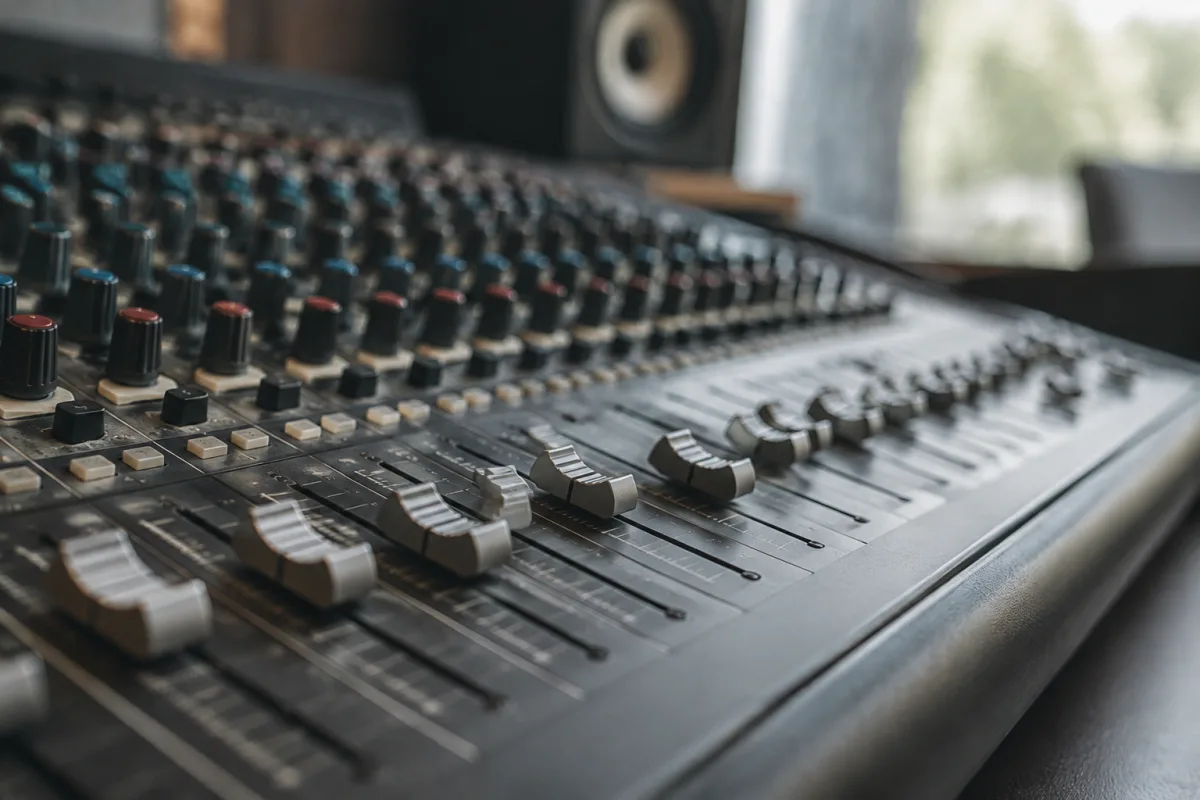
The physical faders on a 16 channel mixer significantly impact your mixing experience. Look for quality fader construction—smooth movement, precise stops at unity gain, and reliable longevity matter far more than shiny aesthetics. Check whether the mixer features motorised faders (which some models do at higher price points) if you're working with recall-heavy setups. Consider fader throw length; longer throws give you finer control, whilst shorter throws speed up broad adjustments. The layout of auxiliary controls, mute buttons, and routing switches should feel intuitive for your workflow—what looks elegant in photos may feel cramped during a hectic live show.
Input Impedance and Preamp Quality
This is where budget 16 channel mixers often disappoint. Examine the microphone preamplifiers closely. Quality preamps accept low-level signals cleanly without requiring excessive gain, which keeps noise floors low. Check the gain range—typically 40-60 dB is standard, but verify it covers your sources adequately. Look at phantom power specs; 48V phantom power is essential if you're using condenser microphones. Some budget models scrimp here, offering weak phantom power that doesn't reliably power quality condensers. Read user reviews about noise floor, input noise, and whether the preamps colour the sound (desirable in some contexts, undesirable if you want transparency).
Onboard Effects and Processing
A 16 channel mixer in the mid-range often includes basic reverb, delay, and perhaps some EQ on channels. Evaluate whether these built-in effects sound good or if they're simply placeholder features. Premium models at higher price points offer superior DSP processing, but entry-level options may have tinny reverbs that you'll bypass anyway. Consider whether you prefer a mixer with minimal effects and plan to use external gear instead—this often gives you better sound quality for your budget.
Routing and Subgroup Options
Flexibility in routing separates adequate 16 channel mixers from excellent ones. You'll want multiple subgroup buses to group related channels (drums to one bus, vocals to another, for example). Check how many auxiliary sends are available—typically three to six aux sends allow you to create multiple independent monitor mixes. If you're doing live sound with wedge monitors, this matters tremendously. Inspect matrix routing capabilities; these let you create custom mixes from subgroups, which is powerful for complex setups. Entry-level models may have limited routing; mid-range 16 channel mixers usually offer robust flexibility here.
Connectivity and Outputs
Verify the output format: USB, AES/EBU, or both? If you're recording directly to a computer, USB output is convenient, but check the resolution and bit depth supported. Do you need main XLR outputs, RCA outputs for smaller systems, or both? Some 16 channel mixers include headphone outputs and talkback microphones—useful for live venues but potentially unnecessary for studio work. Count your required outputs (mains, monitors, recording, effects returns) and confirm the mixer provides adequate connections without requiring expensive breakout boxes.
Power Supply and Durability
A touring 16 channel mixer faces different demands than a fixed installation. If portability matters, check weight and dimensions. Examine whether the power supply is internal (compact, but can fail catastrophically) or external (easier to replace, more road-friendly). Look for reinforced chassis, quality connector types, and robust fader enclosures. Read user experiences about common failure points. Building an investment means choosing equipment that survives heavy use, not just survives your first few gigs.
Price Tiers and Value
A 16 channel mixer ranges from under £300 to over £3,000 depending on features and build quality. Budget models (under £500) offer basic functionality—useful for occasional events or learning, but prone to noise, cheap-feeling faders, and limited effects. Mid-range options (£500–£1,500) deliver solid preamps, better build quality, and genuine routing flexibility; this tier often represents the best value for serious users. Premium models (over £1,500) add motorised faders, superior DSP, exceptional preamps, and warranty confidence. Determine where genuine quality matters for your use case versus where budget allocations still satisfy.
Common Buying Mistakes to Avoid
Don't assume more channels automatically equals better value—a 16 channel mixer with poor preamps is worse than a 12-channel mixer with excellent ones. Avoid models with tiny, recessed channel controls if you'll be mixing during shows; you'll regret it when lighting makes faders hard to see. Resist the temptation to buy professional touring gear if your typical setup is bedroom-sized; you're paying for features you won't use. Check return policies carefully; some budget units have restocking fees or limited trial periods. Finally, verify connectivity before purchasing—confirming your specific mics, instruments, and outputs are compatible saves expensive adapter purchases later.
For deeper insights into 16 channel mixer technology and feature comparison, refer to the ultimate guide to digital 16 channel mixer, which covers the full landscape of these essential tools.
Making Your Decision
The best 16 channel mixer for your needs balances budget against the specific features that matter most to your workflow. Consider your primary use case first, then prioritise accordingly: pristine audio quality? Excellent routing? Robust construction? Lightweight and portable? Once you've identified your priorities, comparing models within your price tier becomes straightforward. Test equipment in person whenever possible—how faders feel under your hands and how preamps sound with your sources matter more than specifications alone.


Comments