


Ampeg Bass Amplifier article
The Complete Guide to Ampeg Bass Amplifier
Ampeg bass amplifiers have shaped professional bass tone for over seven decades. From studio sessions to arena stages, learn why Ampeg's distinctive warmth and reliability make them the gold standard.
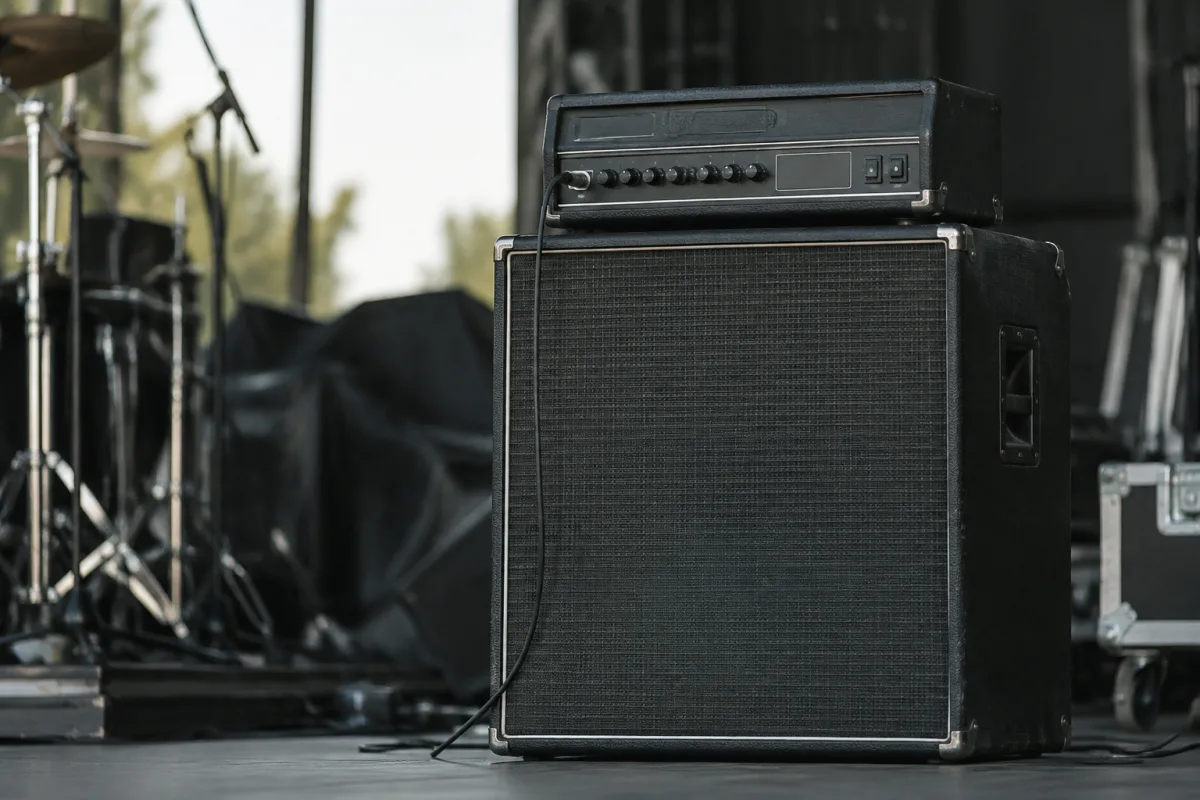
Ampeg Bass Amplifier: The Legendary Sound of Rock and Funk
Ampeg bass amplifiers have defined the sound of bass music since 1949. From Motown studios to arena rock stages and jazz clubs worldwide, Ampeg amplifiers have shaped how we hear bass guitar. The company's commitment to powerful, distinctive tone and reliable engineering has made Ampeg the default choice for countless professional bass players, a reputation earned through decades of consistent excellence and innovation.
The Ampeg Story
Ampeg was founded in 1949 by Everett Hull and Stanley Michael in New York City. The company's name derived from "Amplified Peg," reflecting early amplification for the upright bass. Ampeg quickly transitioned to serving electric bass players, becoming synonymous with powerful, rounded bass tone that cuts through any mix.
The 1960s and 1970s witnessed Ampeg at peak influence. Session musicians, touring professionals, and studio engineers universally recognised Ampeg as the amplifier delivering the tone that worked. This reputation persisted despite changing music trends and emerging competition—testament to the company's product consistency.
Iconic Ampeg Bass Amp Models
Ampeg's catalogue includes several legendary models:
- The SVT Classic — An all-valve amplifier delivering iconic rock tone. Tube-driven warmth and natural compression make it the choice for professionals demanding traditional Ampeg character.
- SVT-VR — A hybrid model combining valve preamp with solid-state power amplification, offering valve tone with greater portability than full-valve designs.
- SVT-4 Pro — A solid-state amplifier providing modern reliability whilst honouring Ampeg's tonal philosophy.
- Portaflex Series — Compact combo amplifiers coupling a small amplifier head with an integrated flip-top cabinet, perfect for jazz, session work, and smaller venues.
- Rocket Bass — Mid-range solid-state amplifiers balancing affordability with genuine Ampeg tone.
- BA-108 and BA-115 — Affordable combo amplifiers introducing players to Ampeg tone and reliability at entry-level prices.
The Ampeg Tonal Character
What distinguishes Ampeg bass amplifiers is their warm, rounded tone. The company's designs emphasise midrange presence and natural compression, creating a bass sound that sits perfectly in a mix. This is not the most aggressive or modern tone—rather, it is the most musical and balanced.
Ampeg amplifiers excel at revealing playing technique. Dynamic playing translates through the amplifier transparently. Subtle finger touches come through clearly. The amplifier responds to your playing rather than imposing its own character onto your technique.
The company's tube designs particularly embody this philosophy. Valve-driven preamps contribute natural compression and harmonic richness. Full-valve power stages add saturation and bloom, encouraging players to hit the amplifier dynamically whilst maintaining clarity and definition.
Cabinet Design and Acoustic Coupling
Ampeg's speaker cabinet designs receive as much attention as the amplifier heads. The company's use of ported cabinets extends low-frequency response naturally, avoiding boomy or undefined bass. Cabinet construction materials and internal architecture affect how sound projects into a venue.
The classic 8x10 cabinet represents acoustic bass amplification at its finest. Multiple 10-inch speakers deliver impressive projection and detailed low-end without excessive size or weight compared to equivalently powerful designs. Professional bass players often prefer 8x10 cabinets for their natural tone and reliable performance across venues.
From Studio to Stage
Studio bass players rely on Ampeg amplifiers for consistent, reliable tone across recording sessions. The distinctive character translates well to recording—professional recording engineers recognise Ampeg tone and work confidently knowing the amplifier will deliver expected results.
Live performance showcases Ampeg's real strength. The company's amplifiers project powerfully without sacrificing definition. Bass sits in the mix naturally. Audiences hear articulate bass lines, not boomy low-end rumble. This balance remains Ampeg's greatest asset across live environments.
Maintenance and Longevity
Ampeg tube amplifiers reward proper maintenance. Regular maintenance intervals keep tube amplifiers operating at peak performance. Tube replacement remains inexpensive relative to the gear's durability. Properly maintained valve-driven Ampeg amplifiers often outlast their owners, functioning reliably for decades.
Solid-state Ampeg designs offer even greater longevity and lower maintenance requirements. Modern manufacturing ensures component reliability. Occasional inspection and basic care keep these amplifiers functioning indefinitely.
Choosing Your Ampeg Bass Amplifier
Selection depends on several factors. Your budget determines entry point—Ampeg offers models from affordable combos to premium professional heads. Your venue size matters: smaller venues favour compact Portaflex models; larger clubs and arenas demand powerful heads with substantial cabinets.
Consider whether valve tone justifies the maintenance and potential transportability challenges. SVT Classic and valve-driven models deliver incomparable tonal character but require occasional servicing. Solid-state alternatives offer reliability with less maintenance.
Your playing style influences choice. Funk and aggressive playing may benefit from tube saturation and natural compression. Jazz and session work value the transparency and responsiveness of quality amplifiers regardless of topology.
The Ampeg Influence Today
Contemporary bass players continue choosing Ampeg. Modern amplifier technology has given Ampeg tools to compete with lightweight, digital designs. Yet many professionals still specify vintage or new-production Ampeg amplifiers for their proven tone and reliability.
The company remains committed to serving professional bass players. New designs honour Ampeg's heritage whilst incorporating modern manufacturing advances. This balance between tradition and innovation ensures Ampeg amplifiers remain relevant to contemporary players.
Investing in Your Bass Tone
An Ampeg bass amplifier represents investment in tone and reliability. Whether you choose a professional SVT head, a practical Rocket Bass combo, or a vintage Portaflex, you gain access to proven amplification philosophy. Ampeg's century-spanning reputation rests on genuine product quality and player satisfaction.
Professional bass players invest in Ampeg amplifiers knowing they will deliver consistent tone across venues and recording sessions. Developing players choose Ampeg knowing they are learning on amplifiers used by respected professionals. This combination of proven performance, tonal character, and professional validation makes Ampeg bass amplifiers a sound investment in your musical future.
The Bottom Line
Ampeg bass amplifiers exemplify American musical instrument excellence. The company's proven designs, distinctive tone, and legendary reliability have made Ampeg the default choice across genres and performance contexts. Whether you play funk, rock, jazz, or progressive metal, an Ampeg amplifier connects you to decades of bass amplification tradition and delivers the professional tone and dependability that defines serious bass playing.



Comments