


Ampeg Bass Amplifier Buying guide
Ampeg Bass Amplifier: A Complete Buyer's Guide
Ampeg bass amplifiers range from compact practice rigs to touring powerhouses. Discover what specs actually matter and how to pick the right one for your playing style.
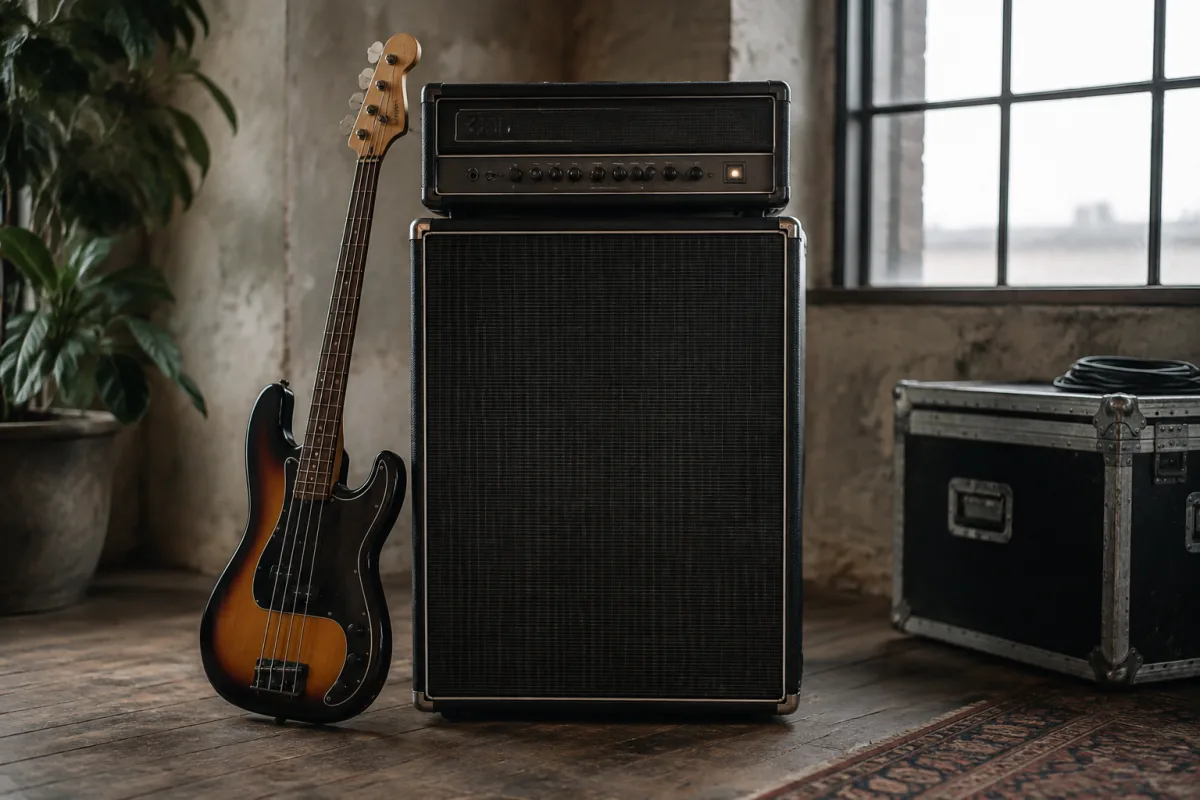
Buying an Ampeg Bass Amplifier: What the Specs Actually Mean
Ampeg has dominated bass amplification for decades, and for good reason—their amps are robust, articulate, and designed for working musicians. But the Ampeg range is vast, from compact practice amps to touring rigs. Here's how to pick the right one for your needs and avoid paying for features you'll never use.
Understanding Wattage and What It Means for Gigs
Wattage is the first number you'll see, but it's misleading if taken alone. A 100-watt Ampeg doesn't sound twice as loud as a 50-watt; perceived volume increases roughly 3dB per doubling of power, which is a modest difference to the human ear—and yet the larger amp is heavier and costs more.
Here's the honest breakdown:
- Practice at home (25–50W): Plenty for bedroom playing. A 25-watt combo stays compact and won't disturb neighbours.
- Small clubs and venues (50–100W): Standard for working bassists. 100 watts pushes through a typical PA mix without strain.
- Large venues and touring (200W+): Only if you're playing big rooms or outdoor gigs regularly. The weight and cost jump steeply here.
Ampeg's wattage claims are generous—a 100-watt Ampeg sounds substantially louder than some 150-watt competitors because of cabinet efficiency, not the amp. This is partly why Ampeg amps are popular: they punch above their wattage.
Speaker Configuration: What You Actually Get
Most Ampeg bass amps pair the amplifier head with one or more speaker cabinets. Understanding the cabinet spec is crucial:
Single 1x15 cabinet: One 15-inch speaker. Warm, punchy low-end. Good for classic rock and funk. Slightly less clarity on the high end compared to smaller speakers. Common on Ampeg Rocket and SVT models.
Single 2x10 or 1x10: Smaller cones, lighter cabinets. Faster, tighter low-end; better mid-range articulation. Preferred for modern styles and clarity-focused playing. Easier to transport.
Combo units (head + built-in cabinet): All-in-one, convenient for smaller gigs or rehearsals. Typically 1x15 or 2x10. Heavier to move, less flexible than a separate head and cab.
Stacking cabinets: Pairing a 1x15 and 2x10 gives you warm lows plus articulate mids—the classic touring rig. This is what touring pros choose, but it requires space and a sturdy amp stand.
Key Ampeg Bass Amp Lines and Their Purposes
Ampeg Rocket Bass: Compact, lightweight, affordable (£200–400). Good for practice and small gigs. Solid build quality; simpler tone controls than premium lines. Ideal for gigging bassists who want portability and reliability without bells and whistles.
Ampeg Portaflex: The legendary 1x15 combo with a legendary tone. Midrange pricing (£400–800 depending on wattage). Warm, vintage character. Popular with rock and funk players who value tone over features. Heavier to move than modern designs.
Ampeg SVT (tube amp head): Professional touring rig (£1,500–3,000+). All-tube circuitry, legendary bass tone, warm and saturated. Requires serious maintenance (tube replacement, biasing). Used primarily by touring professionals and tone-obsessed players. Not practical for home practice.
Ampeg Micro VR Stack: Compact all-tube head, ultra-portable (£600–900). Real tube tone in a smaller package. Still requires maintenance and tube costs. Better than SVT for touring if weight matters, but pricier per watt.
Ampeg BA (Bass Amplifier) series: Solid-state, affordable (£150–600), very reliable. Best for gigging bassists who value durability and low maintenance over valve warmth. BA series is what you see in school bands and busy session players' cars.
Tone Controls and Features: Necessary vs. Marketing
Essential controls:
- Volume and master volume.
- Three-band EQ (bass, mid, treble). This is genuinely useful for shaping your tone to the room.
- Input and output level controls to prevent clipping.
Nice-to-have:
- Parametric mid control (lets you isolate a specific frequency). Useful for cutting feedback or brightening the tone.
- Presence control (emphasises high-end clarity).
- Compressor or limiter built-in (prevents sudden peaks from distorting). Helpful for dynamic playing styles.
Marketing fluff:
- Tons of presets or "amp modelling." Most working bassists stick to one good tone. Complex presets usually sound worse than a simple three-band EQ dialled by ear.
- Excessive effects (reverb, chorus, delay). These are rarely used in professional bass playing. Stick to tone-shaping controls.
The Weight Question: Real-World Practicality
Ampeg amps are notoriously heavy. An SVT head weighs 40+ kg; a vintage Portaflex is 30+ kg. This matters if you're carrying gear solo up stairs into small clubs. Consider:
- Modern lightweight alternatives from other brands (Markbass, Gallien Krueger) exist, but Ampeg tone remains distinctive.
- If weight is critical, choose a smaller Ampeg (Rocket Bass, Micro VR) or a lightweight combo.
- Pair heavy amps with an amp trolley or road case if you're touring.
New vs. Used: Where to Get Value
New Ampeg amps: Full warranty, no hidden damage, reliable drivers and electronics. Pricier, but peace of mind for gigging musicians.
Used vintage Ampeg (1970s–1990s): Legendary tone, often cheaper than new comparable models, but:
- Tubes wear out; replacement is expensive (£200+ for a full set).
- Transformers can fail; repair costs are serious (£400+).
- Electrolytic capacitors age; a full recap (refresh) is often needed (£300+).
- You inherit unknown service history.
Buy used only from a trusted seller who can confirm working condition or offer a return window. Vintage Ampeg is worth it for gigging pros who value tone; avoid it if you're learning or on a budget.
Used modern Ampeg (2010+): More reliable than vintage; fewer maintenance surprises. Often 30–50% less than new. Solid choice if the unit is cosmetically sound and tested.
Pitfalls to Avoid
Buying too much wattage. A 200-watt Ampeg head is overkill for 95% of gigs. You'll pay for weight and price you don't need. A 100-watt head covers touring venues and cuts through a typical mix.
Choosing cabinet size by specs alone. A 1x15 and a 2x10 at the same wattage sound very different. Listen to both before deciding. Tone character matters more than the number.
Confusing "cab only" with "complete combo." Some listings show just the cabinet price, not the full amp-plus-cab cost. Always check what's included.
Buying a tube amp if you won't maintain it. Tubes need biasing, regular inspection, and replacement every 3–5 years. If that sounds tedious, a solid-state BA series is more practical.
Assuming vintage = better. Vintage Ampeg sounds incredible when working; when the transformers fail, you're down a month for repair and several hundred pounds poorer. Modern amps are more reliable, even if the tone is slightly different.
Price Brackets and What They Deliver
Budget (£150–300): BA series combos. Solid-state, lightweight, reliable. Perfect for learning or gigging bassists on a budget. Won't win a tone shootout, but you'll never regret the purchase.
Mid-range (£300–800): Portaflex combos, newer Rocket Bass rigs, solid-state heads with good tone shaping. Working musicians' sweet spot. Resale value is solid.
Premium (£800–2,000): Valve-based rigs (Micro VR, smaller SVT variants), high-wattage solid-state heads. For touring professionals or serious tone chasers.
Pro touring (£2,000+): Full SVT rigs, custom builds, or multiple stacked cabinets. Only for full-time touring musicians or studios.
The Bottom Line
Buy an Ampeg that matches your actual use: 25–50W for home, 50–100W for regular gigging, more only if you're touring large venues. Choose solid-state if reliability matters more than vintage tone; choose tube if you're serious about tone and willing to maintain it. Test the tone in person if possible—Ampeg's character (warm, punchy, articulate) suits some playing styles better than others. Don't pay for wattage or cabinet size you won't use. And remember: Ampeg's reputation is built on durability. An Ampeg amp you buy today will likely still work in 20 years.


Comments