


Ampeg Bass Amplifier article
Ampeg Bass Amplifier for Beginners: A Complete Guide
An Ampeg bass amplifier delivers legendary tone character and durability suitable for beginning bassists. This guide explains Ampeg advantages, explores entry-level models, and helps you make informed amplifier choices.
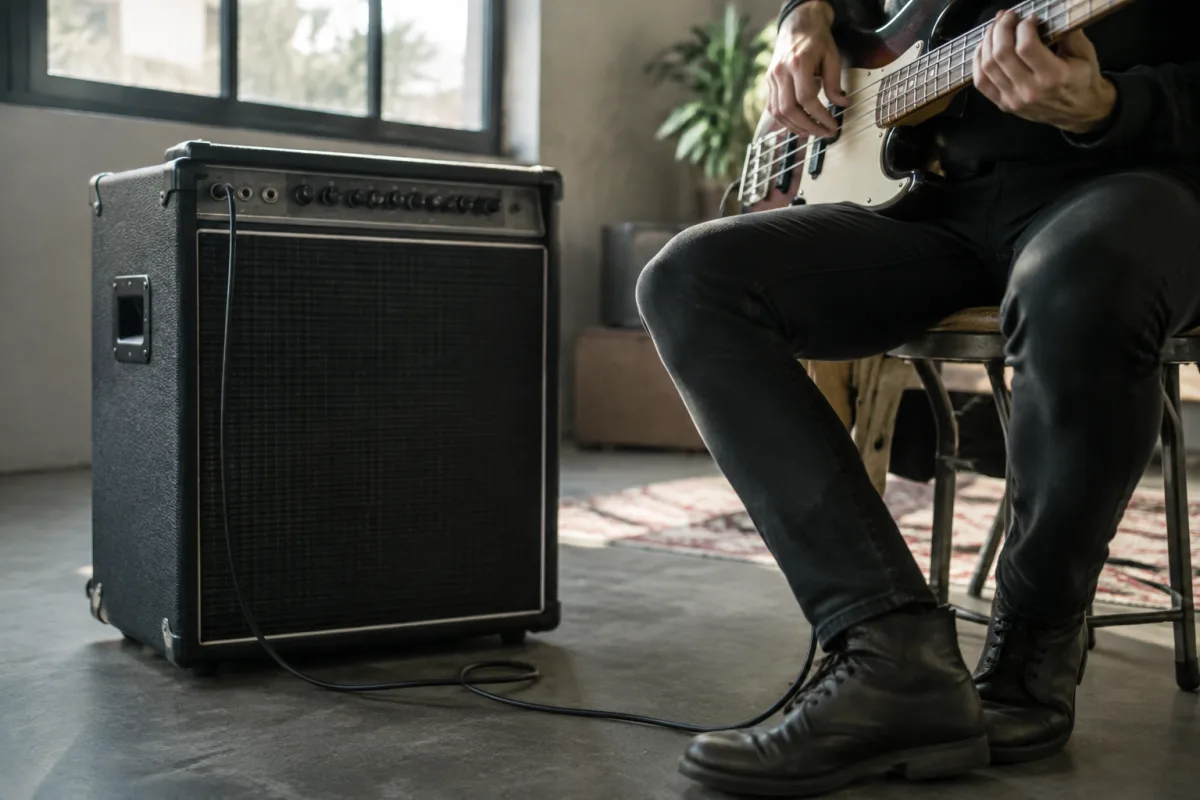
Beginning your bass guitar journey involves selecting appropriate amplification, and Ampeg bass amplifier options frequently dominate beginner considerations—either as intimidating professional-level choices or as legendary heritage equipment carrying unexplained prestige. An Ampeg bass amplifier represents a distinct pathway into quality amplification offering both practical advantages and genuine acoustic character that budget alternatives struggle matching. This beginner's guide demystifies Ampeg bass amplifier options, explains why Ampeg reputation develops through legitimate sonic advantages rather than marketing hype alone, helps you evaluate whether Ampeg bass amplifier investment suits your situation and budget, and guides you through selecting appropriate equipment without excessive technical complexity. You'll discover encouragement that quality Ampeg bass amplifier systems develop your playing capabilities more effectively than bargain alternatives, learn what distinguishes entry-level Ampeg bass amplifiers from professional models, and build confidence approaching bass amplification decisions.
Understanding Ampeg Bass Amplifier Heritage and Market Position
Ampeg represents legendary bass amplification—the brand that defined professional bass tone across decades of rock, jazz, and funk history. Many accomplished bassists grew up through Ampeg bass amplifier sound; the brand carries cultural weight beyond mere equipment. However, an Ampeg bass amplifier isn't primarily purchased for brand prestige; rather, the heritage reflects genuine engineering excellence enabling distinctive sonic character difficult replicating through alternative designs.
Ampeg bass amplifier options span entry-level to touring-professional tiers, enabling bassists at every experience level accessing the brand's sonic character within realistic budgets. Beginning with modest Ampeg bass amplifier configurations doesn't require prohibitive expense; accessible models cost £200–£400, positioning Ampeg bass amplifiers competitively against budget competitors whilst delivering noticeably superior tone character.
Ampeg Bass Amplifier Character and Sonic Identity
An Ampeg bass amplifier distinctly colours its input signal—adding warmth, compression, and dimensional presence absent from clinically neutral alternatives. This tonal signature proves immediately recognisable to experienced listeners; Ampeg bass amplifiers deliver "character" rather than transparent amplification. For beginners, this distinction means your playing immediately sounds more professional, more defined, and more engaging through Ampeg bass amplifier equipment compared to budget alternatives.
The compression inherent in Ampeg bass amplifier designs proves particularly valuable for developing players. Natural dynamic control helps beginning bassists maintain consistent presence even when technique remains inconsistent; Ampeg bass amplifier compression shapes your playing favourably. As your technique improves, you'll increasingly recognise and appreciate these subtle characteristics distinguishing Ampeg bass amplifier quality.
Entry-Level Ampeg Bass Amplifier Models for Beginners
The Ampeg BA108 represents the accessible entry-level Ampeg bass amplifier—a 50-watt combo featuring 1x8" speaker suitable for bedroom practice and small rehearsal spaces. This modest Ampeg bass amplifier costs approximately £150–£200, enabling genuine Ampeg bass amplifier experience without premium pricing. The BA108 delivers surprising tonal character for its size; beginners discover that Ampeg bass amplifier compromise on power proves minimal sacrifice compared to budget alternatives costing identical amounts.
Stepping up, the Ampeg BA210 (70 watts, 2x10" speakers) costs £250–£350 and suits small gigging whilst remaining portable. This Ampeg bass amplifier bridges beginner and intermediate territory; many advancing players operate comfortably with BA210 capability. The additional speaker delivers noticeably deeper bass compared to single-speaker Ampeg bass amplifier alternatives.
The venerable Ampeg B-100R (100 watts, 1x15") represents classic mid-range Ampeg bass amplifier configuration offering considerable power within still-manageable weight. These used Ampeg bass amplifier models often sell £300–£500, providing exceptional value given their durability and tone character.
Understanding Ampeg Bass Amplifier Wattage Requirements
Wattage determines maximum volume output; beginning bassists often misunderstand whether higher wattage necessarily means better capability. An Ampeg bass amplifier operating at 50 watts produces surprisingly loud sound suitable for band rehearsals and small venues. Doubling wattage (50 to 100 watts) increases maximum volume only modestly—roughly 3dB (perceptually "slightly louder")—but adding a second speaker dramatically improves volume projection.
Beginner Ampeg bass amplifier selection should prioritise speaker configuration (cabinet size and driver quantity) over raw wattage. A 100-watt single-speaker Ampeg bass amplifier projects less volume than 50-watt models featuring multiple drivers; dual-speaker systems deliver more powerful presence. Understanding this distinction prevents beginner mistakes purchasing excessive wattage compensating for inadequate speaker design.
Ampeg Bass Amplifier as Long-Term Investment
Quality Ampeg bass amplifier equipment maintains value exceptionally well—used models from decades ago remain functionally equivalent to contemporary alternatives if properly maintained. This durability means your Ampeg bass amplifier investment won't become "outdated" or technically inferior through normal aging; many bassists still employ 20-year-old Ampeg bass amplifiers professionally.
This longevity contrasts sharply with budget equipment often requiring replacement within years. A modest investment in quality Ampeg bass amplifier equipment typically outlasts multiple budget alternatives combined; total cost-of-ownership proves more economical through longer lifespan and reduced replacement frequency.
Common Beginner Mistakes with Ampeg Bass Amplifier Selection
First mistake: assuming Ampeg bass amplifier cost automatically means superior capability compared to budget alternatives. Ampeg charges modest premiums reflecting quality engineering; an entry-level Ampeg bass amplifier costs only marginally more than budget options at identical wattage. Confusing luxury Ampeg models with baseline equipment leads to underestimating accessibility.
Second mistake: purchasing excessive wattage assuming higher numbers guarantee success. A 300-watt Ampeg bass amplifier overkills bedroom practice and small rehearsals; massive power proves unjustifiably expensive and difficult transporting. Assess realistic volume requirements before committing to premium wattage ratings.
Third mistake: neglecting cabinet quality relative to amplifier power. A powerful Ampeg bass amplifier driving mediocre speakers underperforms compared to modest power pushing quality cabinets. Understand that speaker cabinet design profoundly affects overall system character regardless of amplifier wattage.
Evaluating Used Ampeg Bass Amplifier Equipment
Used Ampeg bass amplifier market offers exceptional value—well-maintained equipment often selling 30–50% below retail pricing. Test used Ampeg bass amplifier carefully: confirm all knobs function smoothly, verify speaker integrity (listen for rattles or distortion), and confirm amplifier powers on and produces output across volume ranges. These straightforward tests prevent costly mistakes purchasing damaged equipment.
Ampeg bass amplifier repair costs remain reasonable compared to alternative brands; even units requiring professional maintenance prove economical to restore. This factor partly explains why older Ampeg bass amplifier equipment retains value; restoration proves feasible at reasonable expense.
Building Your First Ampeg Bass Amplifier System
Begin with modest entry-level Ampeg bass amplifier configuration—perhaps BA108 or comparable model—enabling genuine tone exploration without excessive financial commitment. As your playing develops and gigging demands increase, upgrade to additional cabinets or larger amplifiers. This graduated approach builds appropriate capability matching your advancing requirements.
Resist pressure purchasing premium Ampeg bass amplifier equipment immediately. Beginner bassists discover that learning on modest equipment proves invaluable; struggling with capability limitations forces technique improvement. Premium equipment sometimes enables advancement, but fundamentals develop faster through respectful engagement with realistic tool limitations.
Making Your Ampeg Bass Amplifier Decision
Before committing, answer four questions. First: what realistic volume requirements shape your primary performance contexts? Second: does your budget accommodate quality Ampeg bass amplifier entry-level equipment, or should you explore budget alternatives? Third: what portability constraints limit acceptable size and weight? Fourth: are you purchasing new (guaranteed warranty, immediate playability) or pursuing used market value?
For comprehensive background on bass amplification fundamentals, speaker technology, and professional amplifier systems, explore our complete guide to Ampeg bass amplifier.
Conclusion: Your Ampeg Bass Amplifier Investment
An Ampeg bass amplifier represents solid investment for beginner bassists prioritising quality tone and equipment longevity. Entry-level Ampeg bass amplifier models cost competitively with budget alternatives whilst delivering noticeably superior character and durability. Don't defer Ampeg bass amplifier consideration assuming prohibitive expense; accessible options enable genuine professional-quality amplification at beginner-friendly pricing. Select appropriate Ampeg bass amplifier configuration matching your realistic performance contexts, commit to learning your equipment thoroughly, and discover that quality amplification dramatically improves both playing enjoyment and audible results.


Comments