


Selling Music Instruments article
The Complete Guide to Selling Music Instruments
Selling music instruments successfully requires fair pricing, honest description and the right platform. Discover strategies for quick sales and satisfied buyers.
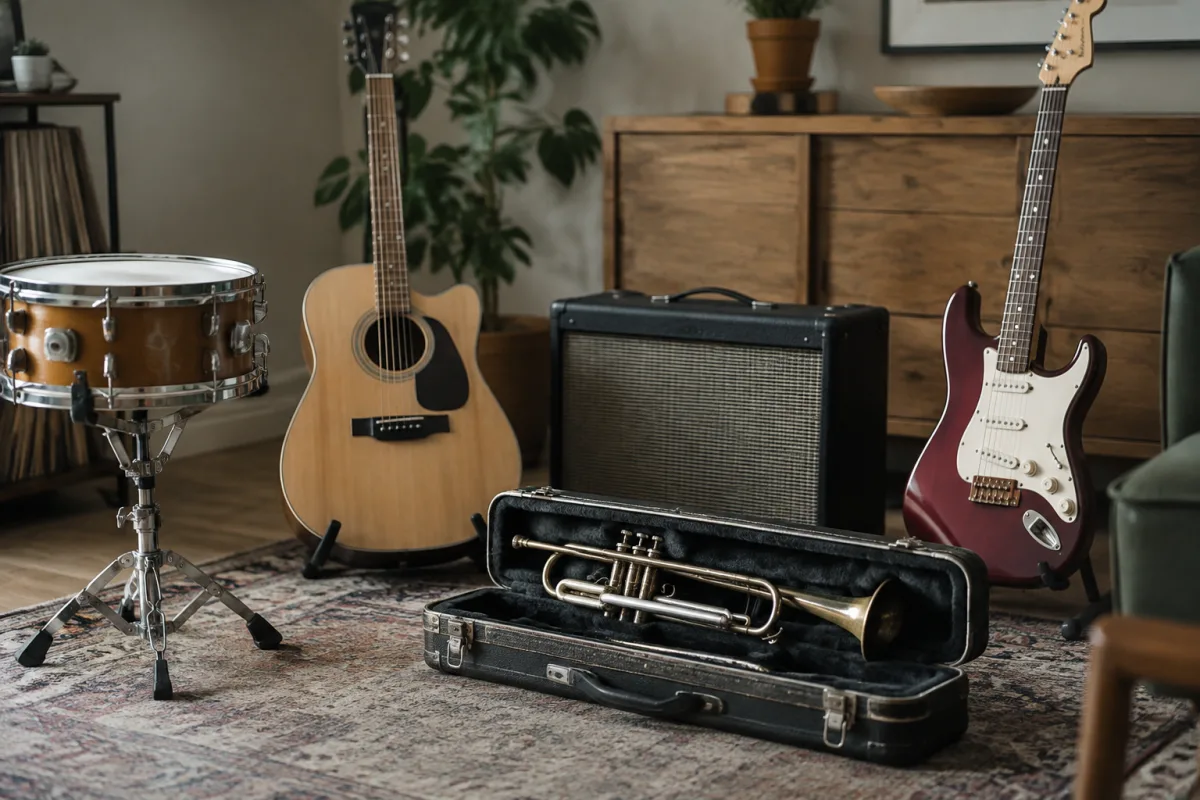
Whether you're downsizing your collection, upgrading to higher-quality instruments or simply need to free up space and cash, selling music instruments effectively requires strategy and realism. The second-hand instrument market is substantial and active, but success depends on understanding which platforms work best, setting fair prices, accurately describing condition and communicating with buyers honestly. Whether you're selling a guitar, keyboard, microphone or complete rig, these principles ensure quick, fair transactions and satisfied buyers.
Where to Sell Music Instruments
Multiple platforms exist for selling instruments, each with different audiences, fees and responsibilities. Online marketplaces like eBay attract international buyers and competitive bidding, but charge selling fees (approximately 12.8% total including listing and payment processing). Reverb.com specialises in musical instruments and attracts serious buyers; fees are roughly 4% plus payment processing. Facebook Marketplace and Gumtree offer local sales without fees, though security and reliability vary. Specialist UK music forums and subreddits (like r/marketplace and r/musicgear) connect buyers directly with sellers, though without transaction protection. Local music shops sometimes accept used instruments on consignment, taking a cut of the sale price (typically 20–30%).
Your choice depends on your priorities. For quick local sales, Facebook Marketplace is efficient and fee-free. For maximum exposure and buyer protection, Reverb.com offers professional infrastructure. For potentially higher prices on sought-after instruments, eBay auctions can drive competitive bidding. Most experienced sellers use multiple platforms simultaneously.
Pricing Your Instruments
Pricing is critical—too high and the instrument languishes unsold; too low and you leave money on the table. Research completed listings on your chosen platform to understand the going rate for similar instruments in similar condition. Condition matters enormously; a well-maintained guitar in excellent condition sells at significantly higher price than a worn example. Age, brand reputation, notable features (vintage electronics, rare wood, modifications) and demand all influence value.
Be realistic about condition. Instruments show wear with use, and buyers understand this; they don't expect instruments to look new. However, disclose cosmetic damage, hardware issues, electronics problems and any history of repair honestly. Instruments sold as "excellent condition" must truly be excellent. Those with cosmetic wear but solid function should be priced and described as "good condition." This honesty builds buyer confidence and reduces returns.
Photography and Descriptions
Quality photographs are essential. Photograph the instrument from multiple angles—front, back, headstock (for guitars), full view and detail shots of any wear, damage or notable features. Photograph the condition of controls, switches and inputs. If there are cosmetic imperfections, photograph them clearly. Buyers rely entirely on photographs; poor images lead to "not as described" complaints and returns.
Write detailed, accurate descriptions. List the brand, model, year (if known), materials, condition, any modifications, notable features and any included accessories (case, cables, documentation). Be specific about defects: "Small scratch on pickguard, barely visible under normal lighting" is more honest than "Minor cosmetic wear." Answer potential questions proactively. The goal is setting accurate expectations; surprises lead to disputes.
Testing and Condition Assessment
Test everything before listing. For guitars, tune them, check all frets for sharp spots or dead frets, inspect for cracks or repairs, verify all electronics work correctly (switches, pots, jacks). For keyboards, test all keys and sounds. For microphones and cables, verify they produce clean signal and include all necessary connectors. If an instrument needs repair, decide whether to repair before selling (better price) or sell as-is at a discount (faster sale, less effort).
Be thorough in your assessment and honest in your description. An instrument with a known issue sold transparently will sell; the same instrument sold with hidden issues will generate returns, disputes and negative feedback. Your reputation as a seller depends on honesty.
Handling Buyer Inquiries
Respond promptly to questions. Buyers appreciate quick, helpful answers. Be prepared to provide additional photographs, details about repair history, information about rarity or any background on the instrument. If a buyer is considering a significant purchase, offering a video demonstration can clinch the sale and builds confidence in the transaction.
Set clear expectations about shipping and returns. Will you ship internationally or locally only? Do you offer returns? What condition constitutes a legitimate return? Communicate these policies upfront. Be flexible within reason; professional sellers build reputation through customer service and fair dealings.
Packing and Shipping
Pack carefully. Instruments are fragile; inadequate packaging leads to damage in transit, buyer disappointment and disputes. Use appropriate padding, hard cases where feasible, and signature-required shipping for expensive items. Overpack rather than underpack. Take photographs of the packed instrument before shipping; this proves condition upon shipment and protects you if damage occurs during transit.
Use tracked, insured shipping and provide the tracking number to the buyer. For international shipments, declare true value for customs. Factor shipping cost into your pricing; buyers will shop for cheaper shipping options if you overcharge.
Building Reputation and Repeat Business
Positive feedback and reputation are valuable. Professional sellers receive repeat inquiries and referrals. Treat transactions respectfully, communicate promptly, describe instruments accurately and pack carefully. Thank buyers after completed transactions; some sellers include handwritten notes or small extras, building goodwill. Over time, reputation leads to faster sales at better prices.
Conclusion
Selling music instruments successfully combines research, honesty and professionalism. Price fairly by researching comparable sales, describe condition accurately with quality photographs, pack carefully for shipping, and communicate promptly with buyers. Whether you're selling one instrument or several, these practices ensure ethical transactions, satisfied buyers and efficient sales. The second-hand market is active and engaged; there's genuine demand for quality used instruments. Position yourself professionally and your instruments will find new homes quickly and fairly.


Comments