


Selling Music Instruments Buying guide
Selling Music Instruments: A Complete Buyer's Guide
Selling music instruments profitably requires honest assessment, smart pricing, and the right platform. Discover how to prepare, price, and ship your gear for maximum return.
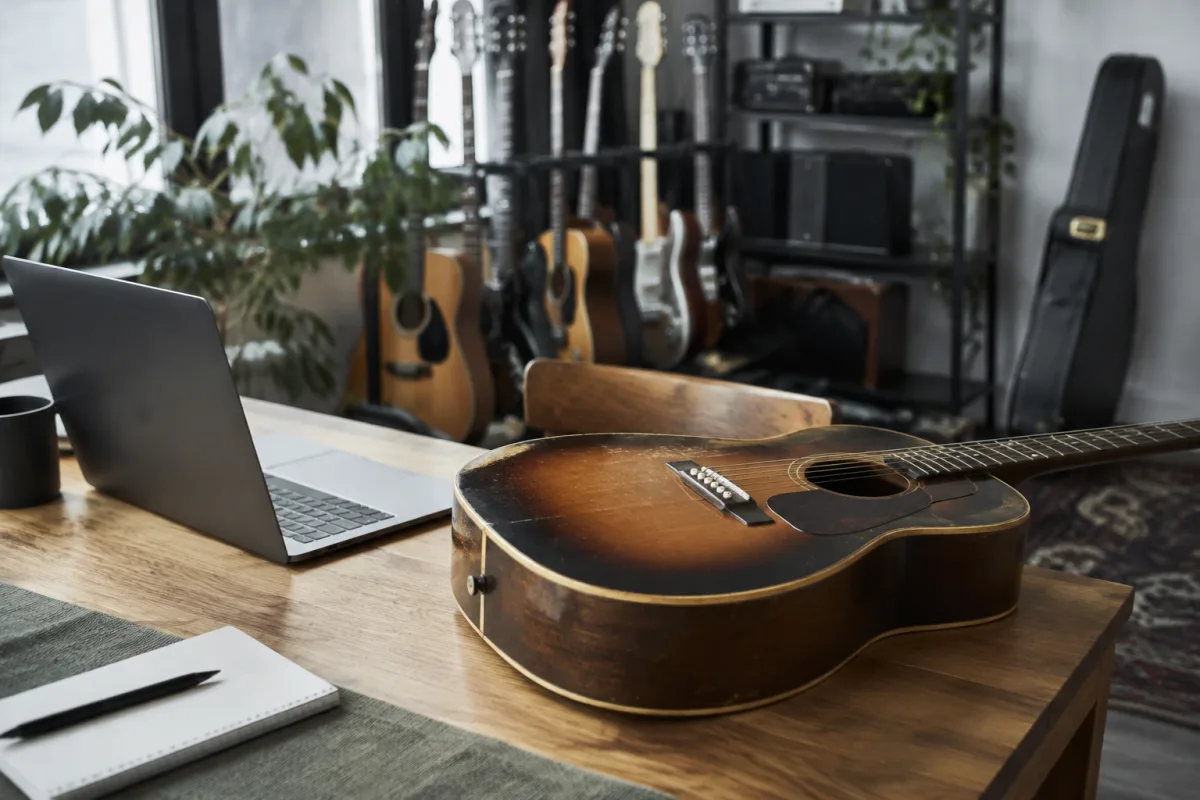
Whether you're clearing out a cluttered garage, upgrading to better gear, or simply need the funds, selling music instruments can be a shrewd financial decision. But getting the right price and finding genuine buyers requires strategy. This guide walks you through the crucial choices that make the difference between a quick, profitable sale and a headache that lingers for months. Done properly, selling instruments needn't be a chore — it can be straightforward and rewarding.
Assess Your Instruments Honestly
Before listing anything, know what you actually have. Take each instrument into account: its make, model, age, condition, and original purchase price. Wear and tear matters enormously. A guitar with a hairline crack in the finish will sell for far less than one in pristine condition, even if both play identically.
Plug in or sound-check each item. Dead pickups, stiff tuning pegs, or a piano that's wildly out of tune will tank your asking price. If a repair costs less than 10% of the instrument's resale value, consider fixing it first — the investment often pays back.
Look up recent sales on specialist secondhand sites to find the market price for your exact model in your condition. Inflation, new model releases, and brand reputation all shift values year on year. A five-year-old Fender Stratocaster might command 60% of retail; a vintage synthesiser could fetch double.
Decide Where to Sell
Each platform carries trade-offs. Choose based on your timeline, effort tolerance, and the instrument type.
Online Specialist Marketplaces
Reverb, Thomann Secondhand, and Ebay attract serious musicians and collectors. Reverb's seller fees (roughly 4%) and payouts are transparent and fast. The audience is large and genuinely interested in instruments. Downside: competition is fierce, and a listing can languish if your price is too high.
Local Sales
Facebook Marketplace, Gumtree, and local music shops offer speed and no shipping hassle. Meeting a buyer face-to-face means they can test the instrument — a huge trust builder. But you sacrifice the national audience and must handle viewings, which takes time.
Auction Houses & Vintage Dealers
For rare, vintage or high-value instruments — a 1960s Gibson, a Mellotron, a concert-grade grand piano — auction houses and specialist dealers can attract serious collectors and pull premium prices. Expect to cede 15-25% in commission, but they handle the heavy lifting.
Trade-In
If you're upgrading, trading in at a music shop is convenient but rarely the highest payout. The shop takes a margin and you lose the retail markup. Reserve this for low-value items or when convenience trumps cash.
Price Strategically
Underpricing costs you hundreds; overpricing kills interest. Use this tiered approach:
- Market-rate baseline: Search your exact model and condition across three or four sites. Average the listings and completed sales (not just asking prices — actual solds matter).
- Condition premium or discount: Exceptional condition might justify 5-10% above baseline. Visible wear, repairs, or missing accessories justify 10-20% below.
- Rarity premium: Discontinued models, unusual colours, or collectible editions can command 10-30% more.
- Negotiation headroom: Price 3-8% higher than your target so you have room to meet buyers halfway. People expect to negotiate on platforms like Gumtree; fixed pricing works better online.
Update your listing if it sits unsold for two weeks. A 5-10% price drop often accelerates interest without looking desperate.
Prepare Selling Materials
Photos and descriptions determine whether someone clicks through or scrolls past.
Photography
Shoot in natural daylight indoors (near a window, not in direct sun which creates glare). Show the instrument from multiple angles — front, back, headstock, pickups, body condition. Close-ups of the serial number, any flaws, and the condition of the hardware build credibility. Avoid excessive filters or overly stylised shots; clarity and honesty sell.
Description
Lead with the model and year. List the condition, any modifications or repairs, and original or replacement components (e.g., "original pickups" or "replaced tuning pegs"). Include measurements for large items. Be brutally honest about damage; a scratch you hide will resurface as a dispute when the buyer receives it.
Mention if the original case, box, or accessories are included — these often sway buyers. State your postage policy upfront if selling online. Some sellers offer tracked courier; others don't ship at all. Clarity prevents friction.
Navigate Shipping & Liability
Instruments are fragile and insurance matters. For high-value items (anything over £500), use insured, tracked courier services. Get proper packaging materials: bubble wrap, foam corner protectors, and sturdy boxes. A £15 packaging investment can save a £1,500 claim dispute.
If you're selling on a platform like Reverb, use their shipping partner integrations — they handle insurance and labels seamlessly. For private sales, state clearly in your listing who bears the risk once the package leaves your hands. Responsibility typically transfers at "collected" or "shipped"; clarify in writing.
Consider offering a brief inspection period (48 hours after delivery) so buyers can test the instrument. This reassures cautious buyers and reduces chargebacks and returns.
Handle Payments Safely
Never accept payment before the buyer receives the item. Use platform-integrated payment systems (Reverb, Ebay Payments) for fraud protection. For local sales, cash or bank transfer on handover are safest. On Gumtree or Facebook, avoid third-party payment apps if possible; meet at a public place, bring someone if you're selling high-value items, and verify notes.
If a buyer claims non-receipt or damage after paying, platforms like Reverb mediate disputes. Your shipping proof and photos become evidence, so keep everything.
Timing & Seasonality
Selling rhythm guitars and keyboards during the January New Year resolution rush or September back-to-school period yields faster sales at higher prices. Winter can slow demand for outdoor instruments like banjos or steel drums. Tax-season (April) sometimes loosens purse strings; summer holidays tighten them. Auction houses often schedule sales around major music events or seasons.
If you're not under time pressure, wait for the season that suits your instrument. If you need cash quickly, accept a modest discount — the faster exit is worth it.
Conclusion
Selling music instruments profitably is a mix of honest assessment, smart pricing, clear communication, and choosing the right platform. The key to successful selling music instruments is starting early: research comparable sales, price within 3-8% of your target, photograph meticulously, and ship safely. Whether you're selling one cherished guitar or a truckload of band equipment, these fundamentals for selling music instruments apply consistently. Quality photos, transparent condition reporting, and realistic pricing close deals faster and fetch better money than hoping for a lucky buyer. Master these strategies, and selling music instruments becomes straightforward and rewarding.


Comments