


Selling Music Instruments article
Selling Music Instruments for Beginners: A Complete Guide
Selling music instruments for the first time doesn't have to be complicated. Follow this beginner-friendly guide covering assessment, pricing, photos, descriptions, platforms, and avoiding common mistakes.
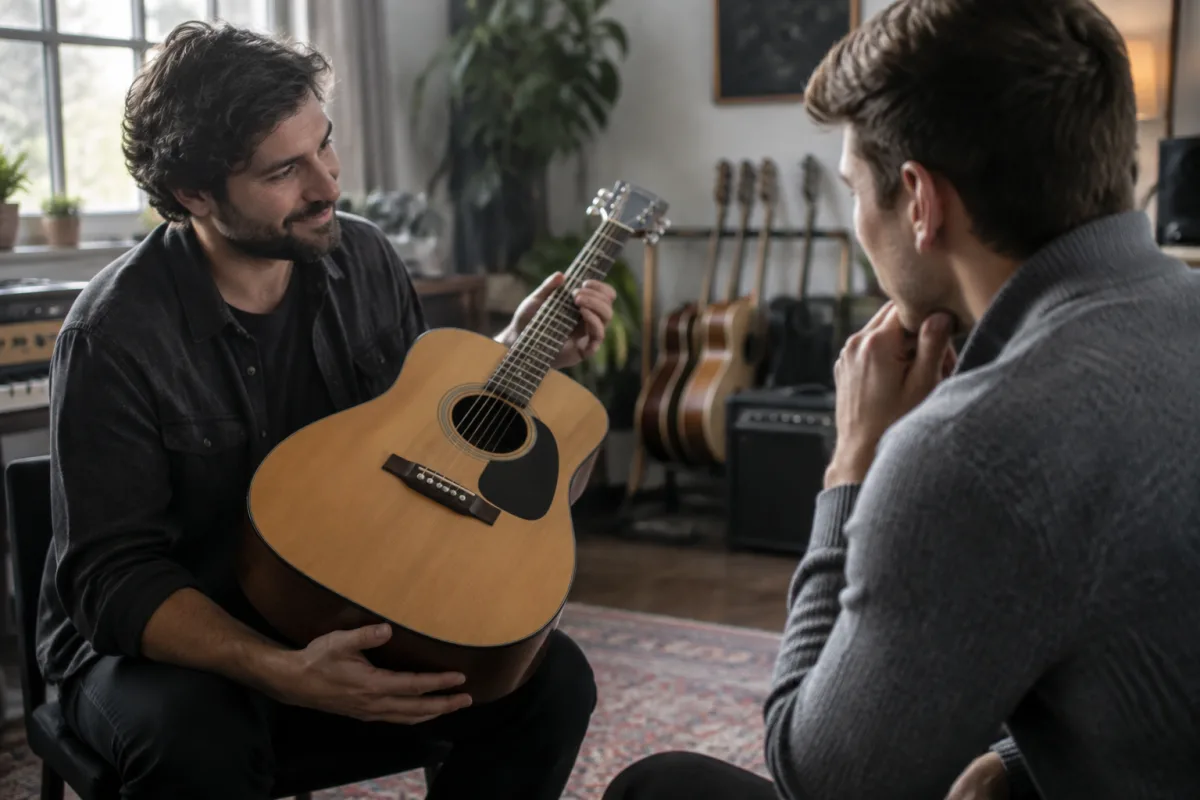
Selling music instruments for the first time can feel daunting. You might worry about pricing, finding the right buyer, or whether your instrument is in good enough condition. The truth is, thousands of musicians sell instruments every month and find success by following a straightforward approach. This guide walks you through your first sale with confidence and practical advice that actually works.
Assess Your Instrument Honestly
Before you list anything, take an honest look at what you're selling. Sit down with your instrument and consider its actual condition. Don't assume buyers won't notice wear and tear. Playing condition is what matters most to buyers, not cosmetic perfection. An instrument that sounds great but has visible scratches will sell better than one that looks pristine but has issues.
Test every function. If it's a guitar, check that all frets work properly and the tuning pegs turn smoothly. For wind instruments, ensure all keys respond and there are no cracks. For keyboards, play through all octaves. Document any issues, repairs, or replacements you've had done. This information builds buyer confidence.
Research Current Pricing
Pricing correctly is crucial for a quick, successful sale. Start by looking at what similar instruments are selling for on popular platforms. Check prices on classified sites, online music retailers, and auction results. Look specifically for your brand, model, and condition level. Prices vary significantly based on age, rarity, and market demand.
Here's a helpful pricing approach:
- New or excellent condition: 70-85% of new retail price
- Good condition with minor wear: 50-70% of new retail price
- Fair condition with visible signs of use: 30-50% of new retail price
- Poor condition or needs repair: 10-30% of new retail price
When pricing, consider that you're competing with sellers worldwide. Slightly underpricing often means a faster sale. A quick sale is better than waiting months hoping for top dollar.
Take Professional-Quality Photos
Your photos are your first impression. You don't need expensive equipment—a smartphone camera is fine. Just follow these tips for better results:
- Use natural daylight, ideally near a window but not in direct harsh sunlight
- Show the instrument from multiple angles: front, back, sides, and close-ups of details
- Include photos of any serial numbers, maker's marks, or brand labels
- Capture any blemishes, cracks, or repairs in clear light
- Show the instrument being held or in a realistic setting
- Use a clean background that doesn't distract from the item
Buyers want to see what they're getting. Better photos lead to fewer questions and faster sales.
Write an Honest, Detailed Description
Your description should be thorough and accurate without being verbose. Start with basics: brand, model, year (if known), and condition. Then explain its playing characteristics. Does it have a bright tone or warm tone? Is it easy to play or does it require technique? Mention any recent maintenance or repairs.
Be upfront about any issues. If there's a crack, say so. If it needs new strings, mention it. Transparency builds trust and prevents cancellations after purchase. Include information about what's included with the sale: case, stand, strap, documentation, original packaging, or accessories.
Learn more about what buyers consider in our complete guide to selling music instruments, which covers evaluation criteria in depth.
Choose the Right Platform
Where you sell matters. Different platforms attract different buyers:
- eBay: Large audience, auction-based, takes a commission, good for vintage or specialty items
- Facebook Marketplace: Local buyers, no shipping needed, fast cash sales, lower fees
- Reverb: Musician-focused community, buyer protection, reliable platform, attracts serious collectors
- Local classified ads: Fastest sales, avoid shipping hassles, meet locally
- Music stores: Trade-in options, instant payment, but typically lower prices
First-timers often find success with local sales or Reverb because you deal with people who understand instruments.
Prepare for Common Questions
Be ready to answer these questions from interested buyers:
- "Has this ever been repaired?"
- "Does it come with a case?"
- "Can you send more photos of [specific part]?"
- "How old is this?"
- "What strings/reeds/batteries does it use?"
- "Can I negotiate the price?"
Respond quickly and politely. Buyers respect sellers who answer promptly and honestly.
Handle Shipping and Payments Safely
If selling online, use secure payment methods that protect both you and the buyer. PayPal, Stripe, and platform-integrated payment systems offer this protection. Never accept wire transfers or payment methods that can't be reversed.
For shipping, invest in proper packaging. Instruments need cushioning, support, and protection from moisture. Use bubble wrap, foam, or packing peanuts liberally. Declare the full value for insurance. Many first-time sellers make the mistake of underpacking—buyer damage claims are worse than packaging costs.
Keep a photo record of your packed instrument before shipping. This protects you if the buyer claims it arrived damaged.
Avoid These Common First-Timer Mistakes
Learning from others' experiences helps your sale go smoothly. Here's what to avoid:
- Overpricing: Being greedy leads to no offers and stalled listings
- Poor photos: Blurry or dark photos make serious buyers scroll past
- Hidden damage: Omitting problems creates disputes and returns
- No response to messages: Buyers move to other sellers if you're not responsive
- Skimping on packaging: Damage in transit means refunds or chargebacks
- Accepting only one payment method: Limiting options reduces interested buyers
The goal is a smooth transaction where the buyer receives exactly what they expected.
What Happens After You Sell
Once sold, your responsibility is to send the item promptly and include tracking. Communicate with the buyer—let them know when it ships and provide tracking information. If selling locally, meet in a safe public place during daylight.
After delivery, ask the buyer to confirm receipt and condition. A positive review or rating on the platform helps future sales and builds your reputation as a trustworthy seller. Most buyers are reasonable and appreciate straightforward, honest sellers.
Build Confidence for Your First Sale
Your first sale might feel uncertain, but you're not the first to do this. Music instruments are sold constantly, and straightforward, honest sales happen daily. Price fairly, describe accurately, photograph well, and communicate promptly. These basics will get your instrument sold and your buyer satisfied.
Start small and low-pressure. A successful first sale will give you confidence for future transactions. And remember, every experienced seller started exactly where you are now.



Comments