


Gretsch Electric Guitar Buying guide
Gretsch Electric Guitar: A Complete Buyer's Guide
Choosing a Gretsch electric guitar can feel overwhelming with so many body styles and price points available. This guide walks you through what matters: body types, series options, pickup characteristics, hardware quality, and common pitfalls to avoid.
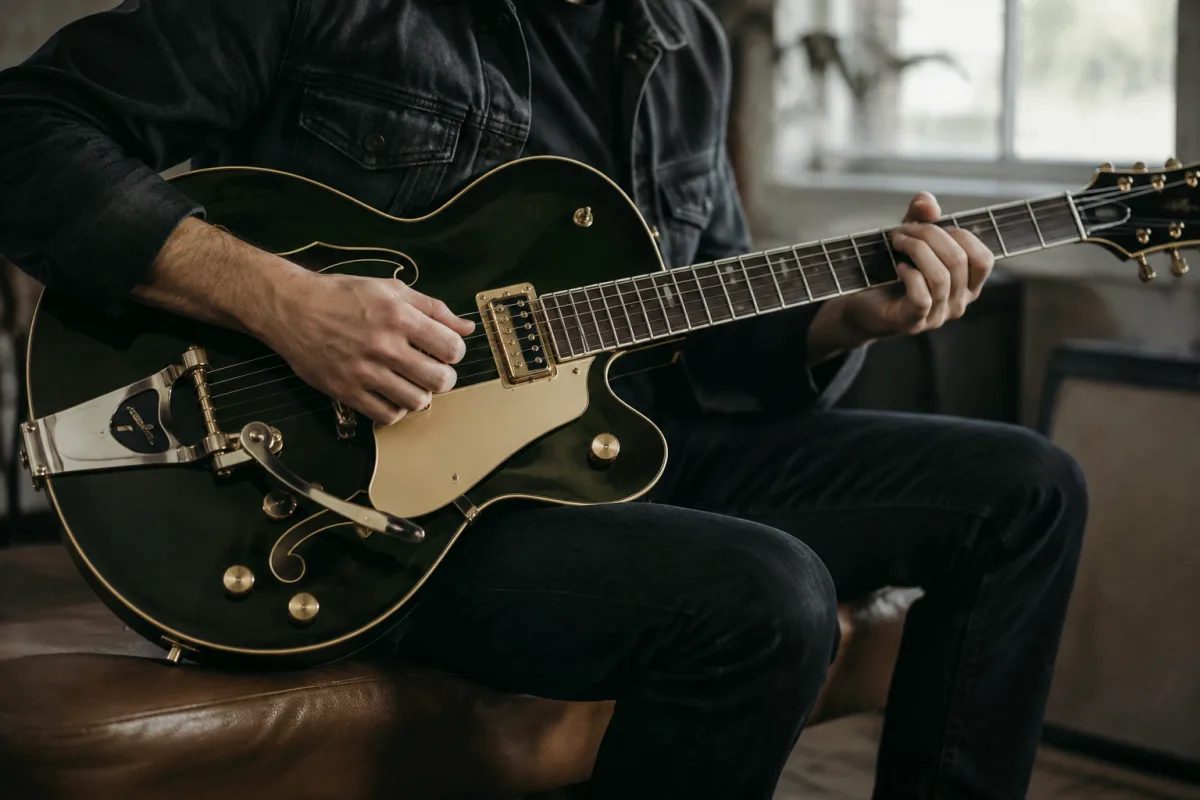
Gretsch electric guitars have attracted players for generations—from rockabilly pioneers to modern alternative rock frontmen. But walking into a guitar shop with a Gretsch catalogue can feel overwhelming. Are you looking at a semi-hollow or solid body? Which series makes sense for your budget and playing style? This buying guide cuts through the noise and tells you exactly what matters when you're choosing one of these iconic instruments.
Understanding Body Types in Gretsch Electric Guitars
Gretsch electric guitars come in three main body styles, and your choice here determines everything else. Semi-hollow models—like the famous Duo Jet and White Falcon—deliver that iconic Gretsch tone: warm, punchy, with natural feedback at volume. They're lightweight and comfortable for hours of playing. If you're drawn to classic rock or rockabilly, this style is essential.
Solid-body versions offer more versatility and feedback control, making them ideal if you play clean tones, blues, or anything where you need predictable sustain. The Streamliner and Electromatic series represent modern interpretations of solid designs. Finally, fully hollow models exist but are rarer and pricier—they're genuinely specialist instruments for jazz players wanting maximum acoustic resonance.
Gretsch Series and Budget: Finding Your Price Tier
The Gretsch electric guitar pricing spans a wide range. The Electromatic series—made in China—starts around £200–300, offering authentic appointments at entry-level money. You get the Gretsch sound philosophy, but with lower-grade hardware and simpler electronics. These work brilliantly if you want to explore the brand without committing serious cash.
The mid-range Professional and Streamliner series sit around £500–800. These use better pickups, nicer hardware, and improved build quality—genuinely playable instruments for gigging musicians. The USA-made Professional line represents a serious investment—£1,500–3,000 for a properly spec'd instrument. These hold value, last decades, and deliver that unmistakable Gretsch character without compromise.
Pickups: The Heart of Gretsch Sound
The character of a Gretsch electric guitar lives in its pickups. Gretsch uses Filter'Tron humbuckers as their signature—these deliver the warm, slightly dark tone that defines the brand. Entry-level models might use simpler humbucker designs, whilst Professional versions use genuine Filter'Trons hand-wound to exacting standards. The difference is real and worth hearing before you buy.
Some models offer switchable pickup configurations. A coil-split humbucker lets you dial back to single-coil territory when you want brighter tones. This versatility matters if you're not purely committed to the Gretsch aesthetic and need flexibility for different playing styles.
Hardware Inspection: What to Check
Before buying a Gretsch electric guitar, physically inspect the hardware. Check that the tuners hold stable—they should have smooth, solid tuning machines. Examine the bridge: quality versions offer through-body stringing for better tone transfer and sustained resonance. Cheaper models might use simpler bridges that work fine but don't provide the same tonal advantages.
Look at the nut carefully. Bone nuts (on higher-end models) transmit vibration better than plastic, resulting in richer sustain. Test the pots and switches—they should feel smooth, never scratchy or loose. These details don't sound dramatic, but they separate an instrument you'll love from one you'll resent after six months.
Wood and Construction Quality
The wood matters on a Gretsch electric guitar, though not in the mystical way guitarists sometimes suggest. Semi-hollow models use laminated top and back—this suits the design better than solid wood, creating the right resonance characteristics. Examine the instrument for consistent grain and finish—sloppy finishing often hides construction shortcuts.
Solid-body versions typically use mahogany or ash, each offering different tonal characters. Mahogany semi-hollow models sound warm and focused. Ash solid-body versions offer brightness and punch. Neither is objectively better—it's about which tone matches your aesthetic and playing style.
Common Pitfalls When Shopping for These Guitars
Don't buy a Gretsch electric guitar based purely on YouTube videos. The camera, amplifier, and effects chain matter enormously. Visit a shop and play the actual instrument you're considering. Some players expect these guitars to sound identical to 1959 originals—they won't, and that's fine. Vintage versions are spectacular but wildly expensive. Modern instruments sound distinctly Gretsch while offering contemporary reliability and playability.
Another pitfall: assuming a higher-priced model automatically suits your playing better. A £2,000 Professional isn't superior to a £500 Electromatic if the latter matches your needs and budget. Playing comfort matters more than price. An instrument that feels right under your hands will get played; an uncomfortable one gathers dust.
Playing Style and Personal Preferences
Ask yourself honestly: what style will you actually play? If you're primarily a blues or rock player, a semi-hollow Professional range instrument delivers authentic, inspiring tones without overspending. If you're experimenting with different genres, a solid-body version or an Electromatic semi-hollow offers flexibility at lower cost.
Consider weight too. Semi-hollow models are genuinely comfortable during long sessions. Solid bodies vary—some weigh nothing, others are substantial. Try before you buy. An uncomfortable instrument, no matter how beautiful, becomes a burden during rehearsals and gigs.
Nut Width and Playability Considerations
The nut width matters if you have smaller hands. Most Gretsch electric guitars run 1 5/8" (standard), but some models come narrower. Play the instrument before committing—if the nut feels cramped, chord changes will feel awkward forever. This isn't a detail you'll grow into; it's a permanent frustration.
The strap attachment matters too. Gretsch instruments mount the strap button at the horn and heel. This positioning suits semi-hollow designs, but some players find it creates unexpected balance shifts during playing. Test this before buying—put the guitar on a proper strap and play standing up. Balance and feel matter.
New versus Used: What to Consider
A used Gretsch electric guitar from a reputable dealer often offers better value than a new entry-level model. Older Japanese-made models from the 1980s and 90s represent solid instruments at bargain prices. Inspect used examples carefully: check fret wear, finish cracks, and electronics function. An instrument with cosmetic dings plays identically to a pristine one.
Buying new guarantees warranty coverage and builder authenticity. New models come with Fender's backing and the security of knowing their complete history. This peace of mind justifies the premium for many players, particularly if budget allows.
Making Your Final Decision
Summarise what you need: the tone character, body style, budget, and playability preferences. Visit multiple shops and play every Gretsch electric guitar in your price range. Pay attention to how it feels—comfort is non-negotiable. Check the hardware, listen to the unplugged tone (a resonant instrument sounds bright and lively before amplification), and imagine yourself playing it six months from now. These guitars are a long-term relationship, not an impulse purchase. Choose carefully and you'll have an inspiring instrument that pays dividends in every session.


Comments