


Left Handed Fender Telecaster article
The Complete Guide to Left Handed Fender Telecaster
The left-handed Fender Telecaster bridges iconic design with practical left-handed ergonomics. Discover what makes these instruments special for southpaw players.
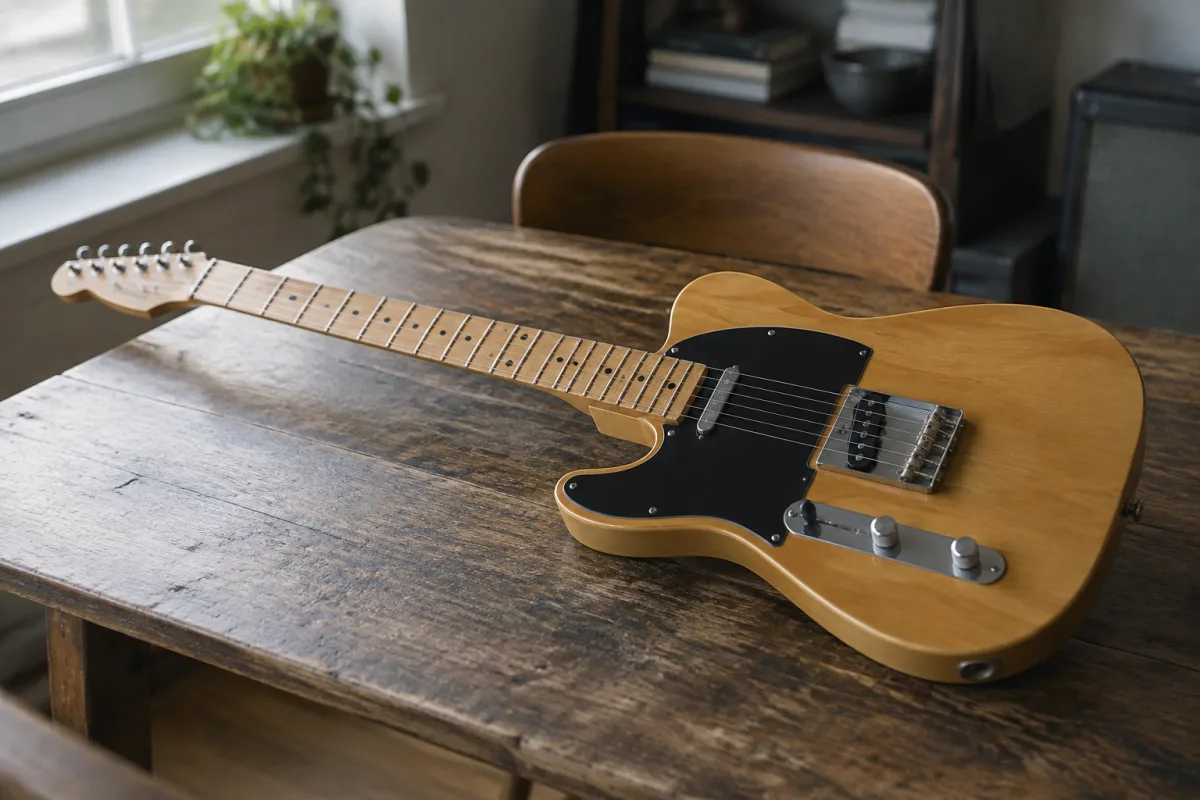
The left-handed Fender Telecaster holds a special place in electric guitar history, bridging the gap between the iconic single-coil simplicity that made the Tele legendary and the practical need for instruments built to suit left-handed players. While Fender's standard right-handed Telecasters dominate stages and studios worldwide, the left-handed variant ensures that millions of southpaw guitarists can experience the same rich tone, playability and heritage without compromise. Whether you're a professional musician switching to a new instrument or a beginner learning to play, understanding what makes a left-handed Fender Telecaster special can help you make an informed decision.
Why Left-Handed Players Choose the Fender Telecaster
The Fender Telecaster's appeal to left-handed musicians stems from several core strengths. First and foremost, Fender has a long-standing commitment to manufacturing genuine left-handed models rather than simply reversing right-handed instruments. A true left-handed Fender Telecaster features a mirrored body contour, reversed pickup configuration and properly positioned hardware—all designed specifically for left-handed players from the factory.
The Telecaster's streamlined design translates beautifully to left-handed models. Its single-cutaway body, two single-coil pickups and straightforward control layout remain intuitive whether you're right or left-handed. The instrument's legendary twang—that signature bright, cutting tone—depends on its pickup configuration and construction, not handedness, so a left-handed Fender Telecaster delivers authentic Telecaster character with full commitment to southpaw ergonomics.
Historically, left-handed players often faced limited choices: either adapting to right-handed instruments or settling for inferior alternatives. Fender's decision to offer proper left-handed Telecasters has meant that performers like Albert King and countless others could access truly professional instruments without compromise.
Construction and Hardware Specifications
A left-handed Fender Telecaster shares the same build quality and materials as its right-handed sibling. The body is typically crafted from solid ash or alder—woods prized for their tonal brightness and durability. The neck features a modern C-shaped profile on contemporary models, though vintage reissues may offer different neck contours based on era-specific specifications.
The pickup arrangement is entirely reversed. The neck pickup sits closer to the neck joint, and the bridge pickup positions itself near the bridge. Both are traditional Fender single-coils, delivering that characteristic twang with minimal hum compared to earlier designs. The three-way selector switch, volume and tone controls function identically to right-handed models—they're simply mirrored in placement.
Hardware differs in positioning rather than quality. The tuning pegs mount on the opposite side of the headstock. The bridge anchors and saddles remain true to Fender's specifications. The jack socket, if present on the body, is repositioned for left-handed convenience. Every component maintains the same manufacturing standards as mainstream Fender instruments.
Tonal Characteristics and Playability
The left-handed Fender Telecaster produces the same iconic bright, punchy tone that defines the model line. This tonal signature emerges from the single-coil pickup design, the solid wood construction, and the bridge design—characteristics that remain constant regardless of which hand operates the instrument. You'll get that classic snarl perfect for rock, country, punk and blues.
Playability for left-handed musicians is precisely what they expect: comfortable fretting-hand positioning, natural string-bending technique and instinctive access to the tremolo arm (if fitted) and controls. The left-handed Fender Telecaster eliminates the frustration many southpaw players experience when forced to adapt to right-handed designs. Your natural hand coordination translates directly into technique without unconscious compensation.
Model Variations and Options
Fender offers several left-handed Telecaster variants to suit different preferences and budgets:
- American Professional Telecaster Left-Hand — Premium option featuring modern appointments and USA construction
- Player Telecaster Left-Hand — Mid-range model offering excellent value with contemporary features
- Standard Telecaster Left-Hand — Classic configuration balancing affordability and quality
- Telecaster Deluxe Left-Hand — Enhanced model with additional pickguard options and aesthetic refinement
- Custom Shop Left-Hand Telecasters — Bespoke instruments allowing personalised specifications
- Vintage Reissue Left-Hand Models — Era-specific designs recreating classic Telecaster aesthetics from specific decades
Each variant maintains authentic left-handed construction rather than offering simple reversal. Price varies according to manufacturing location (USA, Mexico, or China-produced models) and feature set.
Pricing and Availability
Left-handed Fender Telecasters typically command a small premium over right-handed models—usually 5-15% higher—reflecting additional production setup costs. Expect to invest somewhere between £400 and £1,500 depending on the model line and current market conditions. Used left-handed Telecasters often represent excellent value, particularly vintage examples from the 1970s-1990s, though scarcity can affect pricing.
Availability varies by retailer and location. Dedicated guitar shops often stock at least one left-handed Telecaster model in-store or can order within days. Online retailers typically maintain broader left-handed inventory. Fender's official website allows custom orders for most models, though build-to-order instruments require patience—typically 8-12 weeks lead time.
Finding Your Left-Handed Fender Telecaster
When shopping for a left-handed Fender Telecaster, prioritise playing the instrument if possible. Visit shops where you can try several models, checking neck feel, action height and overall comfort. Pay particular attention to whether the instrument balances well on your lap and strap. Examine the finish for consistency and the frets for any irregularities that could affect playability.
Consider your playing style and budget. Beginners might start with a Player or Squier left-handed model (around £300-500) to establish foundational skills before investing in higher-end instruments. Experienced players justifiably spend more for superior build quality and hardware from American Professional or Custom Shop lines.
Check the return policy and warranty. Established retailers offer satisfaction guarantees allowing you to exchange or return if the instrument doesn't suit your preferences. Fender's official warranty typically covers manufacturing defects—invaluable peace of mind when making a significant musical investment.
Conclusion
The left-handed Fender Telecaster represents decades of refinement in left-handed instrument manufacturing, delivering authentic Telecaster character to players who approach the fretboard from the left side. Whether you're drawn to its legendary twang, its role in musical history or simply the reassurance of playing an instrument genuinely designed for your natural hand orientation, a left-handed Fender Telecaster offers a time-tested path to musical expression. The instrument's versatility across genres, combined with Fender's manufacturing reputation and growing model availability, makes finding the perfect left-handed Telecaster an achievable goal for any southpaw guitarist.


Comments