


Left Handed Fender Telecaster Buying guide
Left Handed Fender Telecaster: A Complete Buyer's Guide
Purchasing a left-handed Fender Telecaster requires evaluating authentic left-handed construction, body quality, hardware, and proper specifications to match your needs.
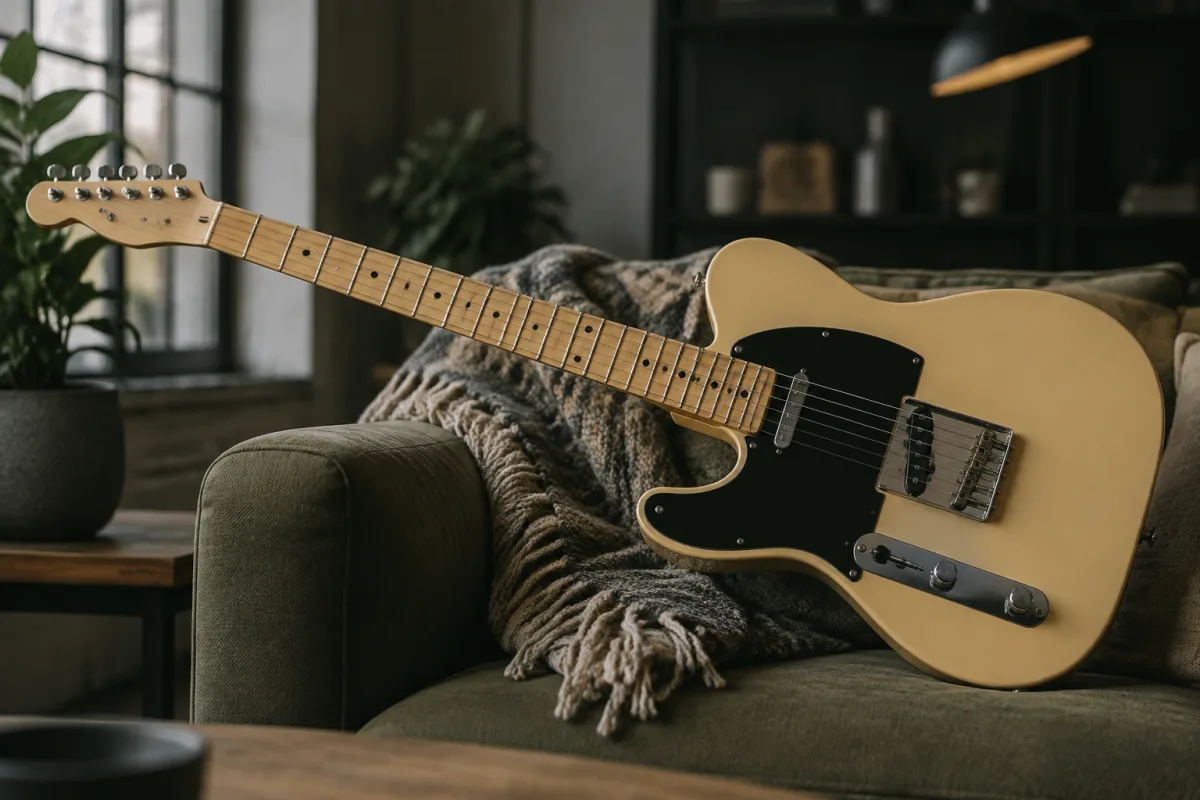
Finding the right left-handed Fender Telecaster requires understanding your playing priorities and knowing what to evaluate before purchasing. Left-handed guitar availability has improved significantly, though availability remains more limited than right-handed options. This buying guide helps you navigate available models, understand Telecaster-specific features, identify quality markers, and avoid common purchasing mistakes that plague left-handed players.
The Left-Handed Advantage: Authentic Rather Than Converted
Prioritise genuinely left-handed models over right-handed guitars played left-handed. Authentic left-handed guitars have controls positioned for left-hand operation—the tone control sits where a left-handed player naturally reaches, not opposite-side awkwardness. Bridge and nut are carved for correct string tension management on left-handed necks. These differences aren't trivial; they fundamentally affect playability and tone.
Fender produces dedicated left-handed Telecasters—they're not afterthoughts or cheap conversions. Buying authentic left-handed models supports manufacturers who respect your playing orientation.
Understanding Telecaster Body Quality
Inspect the body wood carefully. Fender Telecasters typically use ash or alder wood. Ash delivers brighter tone with pronounced midrange. Alder offers warmer character with softer highs. For left-handed models, verify the wood matches description—some sellers mix specifications.
Check finish quality. Premium finishes appear uniform and consistent. Budget models sometimes show thick, plastic-feeling lacquer. Examine finish near edges and body contours for consistency. A quality finish should look natural, not painted over.
Verify body contours. Left-handed Telecasters should have symmetrically placed controls and electronics cavities. Misaligned cavities suggest manufacturing carelessness or retrofit work.
Evaluating the Neck and Fretboard
The neck is your interface with the guitar—its quality profoundly affects playability. Left-handed necks must be genuinely mirrored, not right-handed necks played backward. Request close-up photographs of headstock, truss rod access (typically on the left for left-handed models), and fretboard condition.
Inspect fret quality. Premium left-handed Telecasters have smooth, level frets requiring minimal subsequent work. Budget models sometimes arrive with uneven frets causing buzzing and playability issues. Frets should look uniform in height and spacing.
Test neck feel if possible. Left-handed necks vary in thickness and profile. Thinner necks suit smaller hands and jazz-influenced playing. Chunkier necks appeal to players preferring substantial feel. Your left-handed experience matters—buy the thickness matching your preference.
Left-Handed Hardware and Electronics Considerations
Left-handed Telecasters have electronics positioned logically for left-hand access. Volume and tone controls sit on the upper bout where your left hand naturally rests. Verify this during inspection—poor repositioning indicates amateur modification.
Check tuning machine alignment. Left-handed tuners should be symmetrically positioned for left-handed operation. Misaligned tuners create awkward access and tuning instability.
Inspect jack placement. The input jack should sit on the guitar's side comfortable for left-handed playing, typically on the guitar's right side when playing position. Verify this matches your setup expectations.
Understanding Pickup Options and Sound Character
Telecaster pickups define its character. Vintage-style single-coil pickups deliver classic bright Telecaster tone—sharp, articulate, cutting. Modern high-output pickups provide increased volume and aggression. Some players prefer vintage character; others want contemporary punch.
Identify pickup specifications. Vintage pickups typically measure around 6k-7k ohms (DC resistance). Higher output pickups reach 8k-10k ohms. Specifications don't guarantee tone, but they indicate general character. Request audio samples when comparing models.
For left-handed players, verify pickup options. Some Fender models offer limited left-handed pickup configurations. Clarify available options before purchasing.
Price Tiers for Left-Handed Fender Telecasters
Budget models (£400-700) deliver playable Telecasters with basic hardware and reliable operation. Finish and fret quality sometimes require attention. These suit practice and recording without premium expectations.
Mid-range models (£700-1200) represent genuine value for left-handed players. Better wood selection, improved finish quality, and hardware refinement become apparent. These remain accessible yet deliver professional-grade playability.
Premium left-handed Telecasters (£1200-2000+) feature hand-selected wood, meticulous setup, and refined hardware. These guitars feel substantially better through every aspect. If you're a serious left-handed player, the investment justifies itself through improved playing experience and long-term value.
Common Purchasing Mistakes Specific to Left-Handed Players
Accepting right-handed guitars as compromise wastes money and frustration. Left-handed players deserve proper left-handed instruments. Purchasing cheaper right-handed alternatives often costs more in frustration and relearning time.
Overlooking setup requirements costs significantly. Some left-handed models arrive requiring professional setup. Budget for this when calculating total purchase cost—include setup labour (typically £40-100) in your budget.
Ignoring string height and action specifications leads to playability problems. Left-handed Telecasters require properly evaluated action (string height). High action creates finger strain; low action causes buzz. Verify action specifications or arrange professional setup.
Purchasing online without trying the specific model first means accepting whatever arrives. Request detailed photographs and measurements. Ask sellers about personal left-handed playing experience with that model.
Serial Numbers and Authentication
Verify authenticity through serial numbers. Fender serial numbers indicate manufacturing location and approximate year. Left-handed Fender models should have serial numbers matching their specification claims. Mismatched serials indicate potential counterfeits or repair-shop modifications.
Fender's official website contains serial number decoder tools. Use these to verify claimed manufacturing location and year. Legitimate sellers readily provide this information.
New Versus Used Left-Handed Telecasters
Used left-handed Telecasters offer exceptional value. Pricing typically reflects left-handed scarcity availability—used models cost slightly more than right-handed equivalents. Quality and playability depend entirely on previous care. Request playing history and setup records when purchasing used models.
New left-handed Telecasters guarantee warranty protection and current specifications. If you need reliability certainty and don't mind the premium, new purchases are justified.
Making Your Final Decision
After narrowing choices to 2-3 models within your budget, play each one if possible. Left-handed player communities often help coordinate trial sessions. Request detailed video demonstrations from sellers showing left-handed operation.
Read reviews specifically from left-handed players. Their experience directly mirrors yours. Forums dedicated to left-handed guitars contain invaluable insights from people who've navigated these purchasing decisions.
Clarify return policies before purchasing online. Quality sellers stand behind left-handed models with trial periods and return options. These policies reflect seller confidence in their instruments.
Your Left-Handed Telecaster Awaits
Left-handed Fender Telecasters represent genuine quality instruments designed specifically for left-handed players. Investing time in proper evaluation ensures you select an instrument that feels natural, sounds inspiring, and delivers years of reliable performance.
For comprehensive information about left-handed Fender Telecaster models, specifications, and features, explore the complete guide to left-handed Fender Telecasters, which covers the full product range and technical specifications.
Your left-handed playing deserves an instrument built for you, not adapted for you. Make your choice confidently, knowing you've evaluated all relevant factors.



Comments