


Fender Electric Guitar roundup
Fender Electric Guitar: A Complete Buyer's Guide
A guide to finding the right electric guitar for your playing style, with honest advice on models, price levels and what actually matters when choosing.
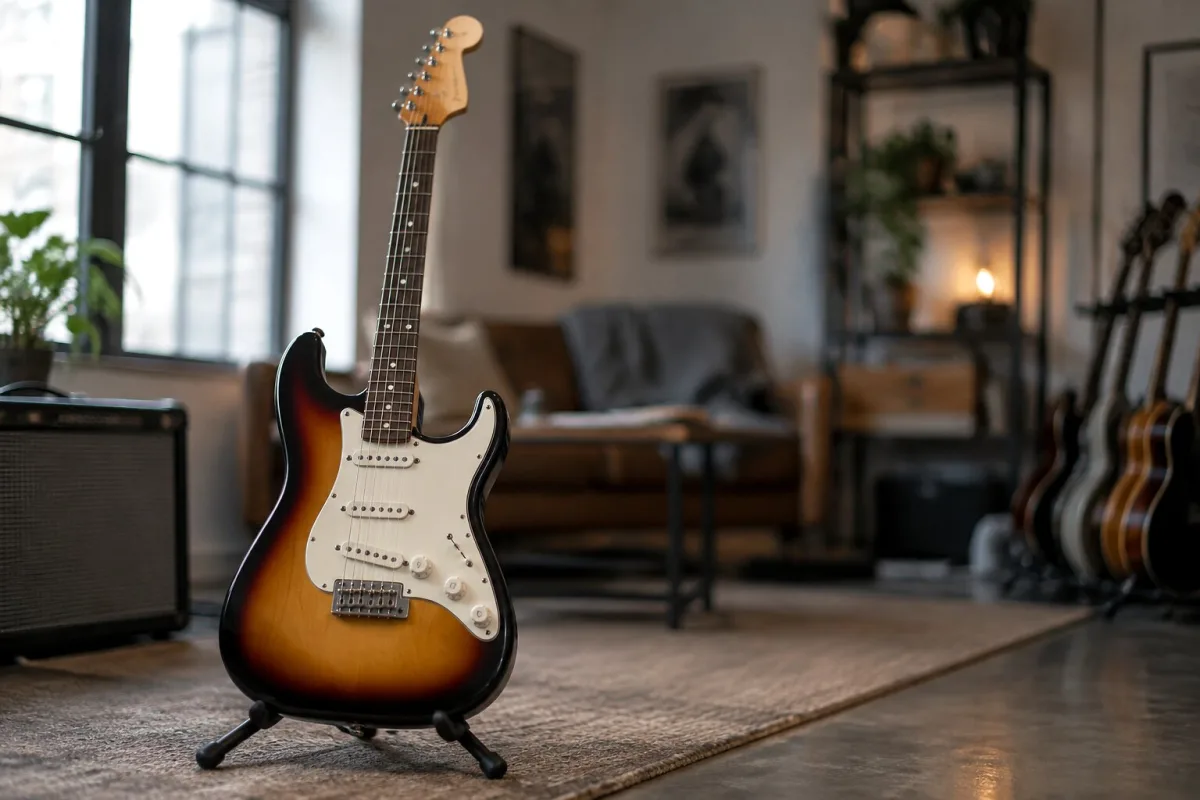
When I started looking for an electric guitar, the sheer number of models available felt overwhelming. Every price tier from £150 to £3,000 offered options, and choosing between brands and specifications seemed to require a degree in guitar engineering. This guide simplifies the buying process, helping you find the right electric guitar for your playing style and budget without getting lost in technical jargon or brand mythology.
Model Matters More Than Price
The most important decision when buying an electric guitar is choosing the right model. A well-set-up £400 guitar will play better than a poorly maintained £1,500 instrument. That said, spend your first decision on the model that suits your actual playing style, not the one that looks coolest on a poster. I once bought an offset guitar because it looked interesting, then spent months confused by its floating vibrato system. Buy based on musical purpose, not appearance.
Understanding Price Tiers
Electric guitars from Fender range across several distinct price levels. Budget options like Squier—Fender's affordable brand—start at £150–£250. These are honest student instruments that play reasonably well once properly set up. The Player series at £400–£500 represents solid value with contemporary specs and decent electronics. American Professional models at £1,200–£1,500 offer refined construction and upgraded pickups, though the improvement isn't proportional to the price increase. American Ultra models at £1,500–£2,000 include modern playability features like compound radius fingerboards and stainless steel frets. Custom Shop instruments starting around £3,000 are handmade to individual specifications and genuinely exceptional, though not necessary for most players.
The Telecaster: Simplicity and Directness
If you want a guitar that does one thing brilliantly, a Telecaster delivers. Two single-coil pickups, three controls and a fixed bridge—no tremolo, no complex switching, no mystery. That simplicity is strength for players who value straightforward tone and reliable tuning. Country musicians, studio rhythm players and anyone who plays live multiple nights a week appreciates a Telecaster's reliability and clear character. A Player Telecaster at around £400 offers professional playability at reasonable cost.
The Stratocaster: Versatile and Comfortable
Most electric guitar players eventually own a Stratocaster. Three single-coil pickups, a five-way selector that includes useful blended positions, a contoured body and synchronized tremolo make the Stratocaster endlessly adaptable. The Stratocaster's comfort—that contoured body really does matter—and tonal range make it ideal for players exploring multiple styles. The famous "quack" tones from blended pickup positions work perfectly for funk, blues and soul. For most players buying their first electric guitar, a Stratocaster represents a safe choice that will accommodate growth and experimentation.
Offset Guitars: Jazzmaster and Jaguar
An offset guitar like a Jazzmaster or Jaguar isn't for everyone, but if you're drawn to alternative music, indie rock or experimental playing, these instruments offer something special. Their floating vibratos produce unique pitch effects, their characterful pickups encourage expression, and their control layouts—though more complex—reward understanding. These instruments became iconic in alternative and indie music precisely because they sound different. If you're buying your first electric guitar, start with a Stratocaster or Telecaster to establish fundamentals. After a year of playing, an offset guitar makes real sense for players who've discovered they want something different.
Specification Alphabet Soup Explained
Online listings for electric guitars include confusing abbreviations. SSS means three single-coil pickups (traditional, bright tone). HSS means one humbucker and two single-coils (thicker, higher-output, good for rock). A 9.5-inch fingerboard radius is the contemporary standard and very playable. A 7.25-inch radius (vintage spec) is rounder and takes adjustment. Medium-jumbo frets are standard today. Locking tuners help hold pitch longer. When evaluating an electric guitar, modern specifications genuinely make the instrument easier to play than vintage specs, which matters more than brand loyalty at the start.
Evaluating a Used Electric Guitar
A well-maintained used electric guitar offers exceptional value. When evaluating one, inspect fret wear carefully—light wear is normal, but deep wear in the first three frets suggests rough handling. Sight down the neck from the headstock toward the body, looking for straight alignment; a warped neck is expensive to repair. Play each fret individually, listening for dead spots or buzzing. Test electronic noise by plugging in and listening for crackling or intermittent cutting out. Check that the truss rod moves smoothly. A professional luthier can evaluate an older guitar for £20–£30 if you're unsure about condition.
Investment in Setup Transforms Everything
After buying an electric guitar—whether new or used—budget £50–£80 for professional setup. Setup includes adjusting neck relief, action height, intonation and pickup height. A properly set-up entry-level guitar will play better than a neglected expensive model. Setup transforms how a guitar feels and sounds more than most players realize. If your new guitar doesn't feel right, don't accept it as-is; take it to a luthier and have it set up properly.
Questions Before You Commit
Ask yourself honestly: What kind of music do I actually play, not what I want to play? Do I prefer simple controls or expressive possibilities? What's my realistic budget? Do I want vintage specs or contemporary playability? Am I buying for myself or as a gift? Can I commit to learning the instrument? These questions clarify which electric guitar makes sense for your situation.
Conclusion
Buying an electric guitar means matching the model to your playing needs and budget. Whether you choose a Telecaster, Stratocaster, Jazzmaster or something else, invest in an instrument that encourages you to play. Spend time understanding what each model offers, test instruments if possible, and budget for professional setup. The right electric guitar becomes part of how you sound, not because of the brand, but because it suits how you actually play.




Comments