


Fender Electric Guitar article
Common Fender Electric Guitar Mistakes to Avoid
Learning electric guitar involves mistakes—some teach valuable lessons, others waste time. This guide highlights common errors new players make and how to avoid them.
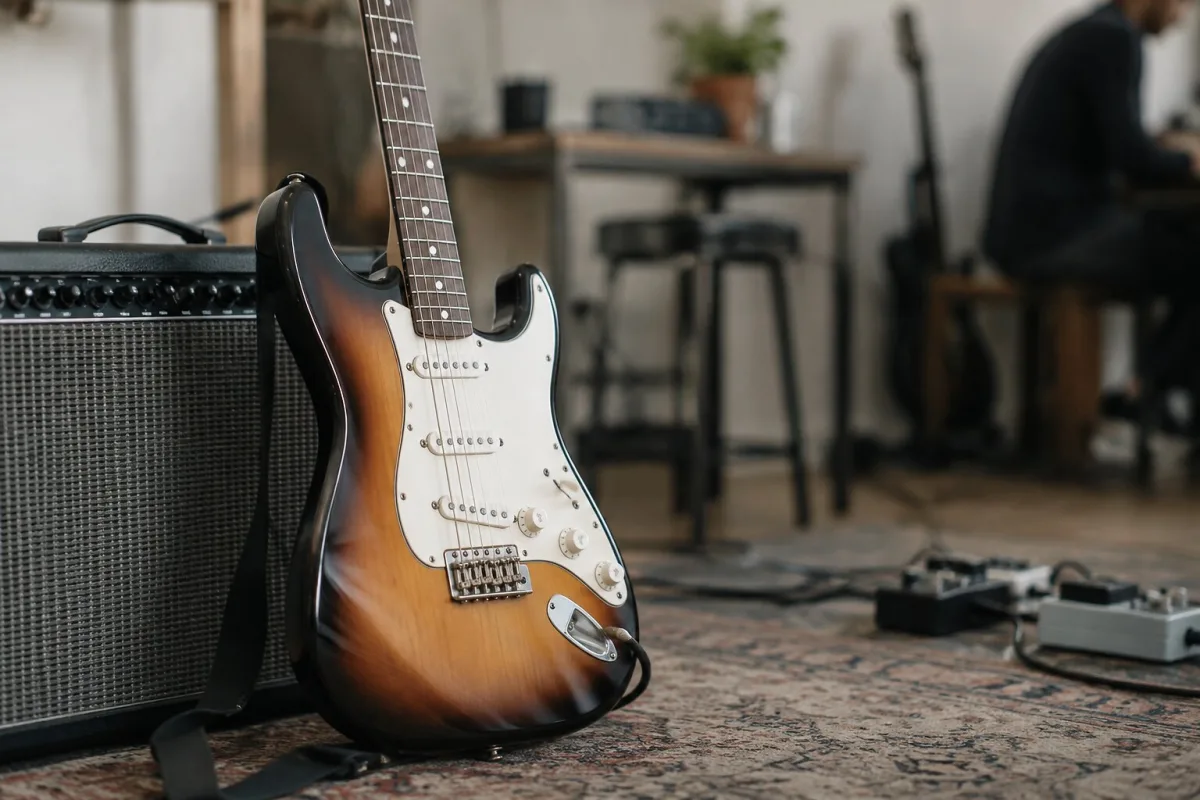
Learning electric guitar involves making mistakes—that's how learning works. Some mistakes teach valuable lessons; others waste time and money. This guide highlights the mistakes new electric guitar players commonly make, helping you avoid the pitfalls that slow progress and frustrate early learning.
Mistake 1: Buying Based on Appearance Instead of Playability
The biggest mistake new electric guitar players make is buying an instrument because it looks cool rather than because it plays well. I see this constantly: someone falls in love with an offset guitar's appearance, buys it without playing one, then struggles with its floating vibrato and unfamiliar controls. Your first electric guitar should match your playing needs, not your aesthetic preferences. Play instruments before buying. Choose based on comfort and playability, not looks.
Mistake 2: Skipping Professional Setup
Many beginners buy a new electric guitar and start playing immediately without setup. A guitar that's never been properly adjusted to your hands, your playing style and your amplifier feels harder than it should. Setup—adjusting action, intonation and pickup height—costs £50–£80 and transforms playability. Skipping setup is false economy. Your first electric guitar needs professional attention before you start.
Mistake 3: Buying Too Expensive an Instrument Too Soon
New players often buy expensive guitars thinking that premium price guarantees progress. A £2,000 guitar won't make you a better player than a £400 guitar. Intermediate and advanced players benefit from premium instruments; beginners benefit from playable instruments and consistent practice. Spend money wisely: invest in proper setup and lessons before upgrading to expensive gear.
Mistake 4: Practicing Inconsistently
One hour daily beats four hours once a week. Many beginners practice intensively for a few days, then skip practice for a week, then return. This inconsistency slows progress dramatically. Your first electric guitar journey requires consistent daily practice—even fifteen minutes beats irregular marathon sessions. Set a specific practice time and protect it like an appointment. Consistency beats intensity every time.
Mistake 5: Trying to Play Full Songs Before Learning Basics
Beginners want to play actual songs immediately, so they jump to tabs and chords before developing finger strength or learning scales. This skips essential fundamentals. Your first electric guitar month should focus on single-note exercises, basic scales and understanding how the fretboard works. These boring fundamentals enable everything that comes later. Skip them and you'll struggle with real songs forever.
Mistake 6: Wrong Amplifier Choices
Buying a massive amplifier for bedroom practice is a common mistake. A 100-watt amplifier at low volumes sounds terrible; a 10–20 watt amp at full volume sounds focused and present. New players often buy huge amps thinking bigger means better, then never turn them past whisper volumes. Your first electric guitar practice space probably needs a small amplifier, not a stack.
Mistake 7: Overlooking Neck Profile and Comfort
New players often overlook neck profile—how thick and shaped the neck is—focusing instead on brand and price. Neck profile dramatically affects playability. If your first electric guitar's neck doesn't feel natural in your hands, you'll practice less and progress slower. Play multiple instruments before buying. Comfort in your hands beats every other consideration.
Mistake 8: Poor Fretting Technique
Beginners commonly fret notes with fingers too close to frets, or with fingers too flat against the fingerboard. Both approaches cause buzzing and muted strings. Your first electric guitar lessons should emphasize proper finger position: curved fingers, fretting just behind the fret wire. This single technical habit prevents endless frustration later.
Mistake 9: Ignoring Tuning
An out-of-tune electric guitar sounds wrong and makes learning difficult. New players often don't tune regularly, assuming "close enough" works. It doesn't. Buy a £15 clip-on tuner and use it before every practice session. Your first electric guitar won't teach you anything useful if it's out of tune.
Mistake 10: Expecting Too Much Too Soon
Many beginners expect to play full songs fluently within weeks. Electric guitar takes months of patient practice before you sound like you want to sound. This isn't a failure—it's normal. Accept the learning process, enjoy the progress you make, and trust that consistent practice accumulates into real ability. Your first electric guitar year establishes habits that determine your entire musical future.
Conclusion
The mistakes new electric guitar players make are predictable and avoidable. Buy an instrument that plays well in your hands. Get it properly set up. Practice consistently. Focus on fundamentals. These habits transform your first electric guitar from a frustrating purchase into the beginning of a lifelong musical journey.





Comments