


Epiphone LP Junior article
The Complete Guide to Epiphone Lp Junior
The Epiphone LP Junior offers authentic single-cutaway design and warm tone at an affordable price. Perfect for rock and blues players seeking value and reliability.
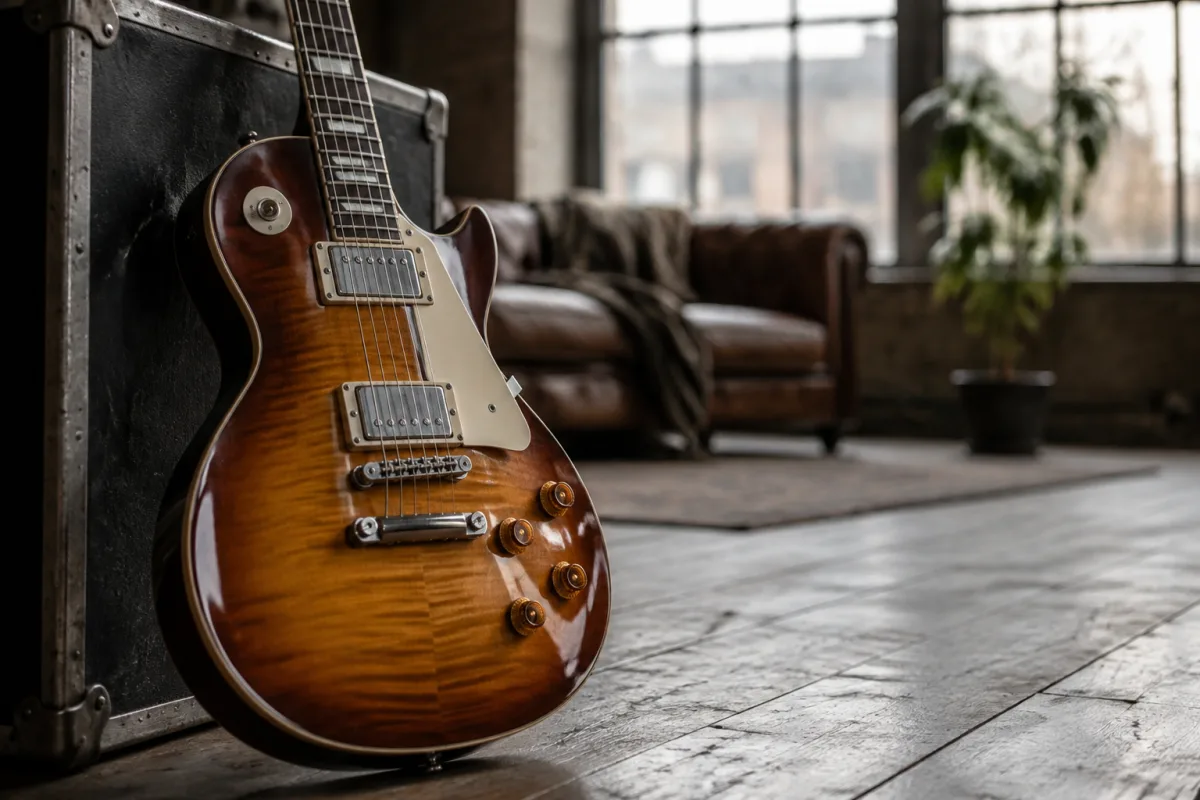
The Epiphone Les Paul Junior: Value and Versatility
The Les Paul Junior represents an affordable entry into single-cutaway guitar design and iconic tone. Manufactured by Epiphone (Gibson's sister brand), this model captures the essence of the legendary Les Paul whilst keeping the price accessible to budget-conscious players. This guide explores what makes this guitar appealing, how it compares to its inspirations, and what to expect from owning one.
What Is the Epiphone Les Paul Junior?
The Epiphone model is a streamlined interpretation of Gibson's original Les Paul Junior, introduced in the 1950s. Whereas a full-size Les Paul features a mahogany body with maple top, binding, and complex electronics, this more affordable version uses simpler construction: a mahogany body without top binding, a single humbucker pickup, and basic wiring.
This guitar emphasizes stripped-down efficiency. You get the classic Les Paul single-cutaway shape, solid construction, and genuine tone without the weight and cost of high-end specs. It's designed for players who want a real electric guitar that can do rock, blues, and classic rock convincingly.
Body and Hardware
The Epiphone version uses a mahogany body without a maple top, which reduces cost and weight compared to traditional Les Pauls. The body shape is authentic—the iconic single-cutaway profile—and the build quality is solid. Hardware (tuning machines, bridge, tailpiece) is competent but not boutique; everything functions reliably.
The guitar weighs less than a full-size Les Paul, making it more comfortable for extended playing or touring musicians who value ergonomics. The neck is set (not bolt-on), which is proper for this design category.
The Single Humbucker Configuration
Unlike full Les Pauls with two humbuckers, the Epiphone version typically features one single humbucker in the bridge position. This concentrates the tone: warm, thick, and focused without the tonal complexity of dual pickups. A single humbucker suits rock and blues perfectly and is less complicated to wire and maintain.
The humbucker is often a modern Epiphone design or a licensed version of classic specifications. Tone is characterful and assertive—not as articulate as a Fender Strat but full-bodied and expressive.
Some players upgrade the pickup to a boutique humbucker (Seymour Duncan, Bare Knuckle, or similar), which noticeably improves clarity and sustain. The installed pickup is adequate but not premium.
Tone and Character
The Epiphone Les Paul Junior delivers warm, soulful tone. The mahogany body naturally emphasises midrange and produces natural compression, characteristic of Les Paul designs. Through a moderately overdriven amp, the guitar produces smooth, singing sustain—ideal for blues leads and rock power chords.
Compared to a Fender Stratocaster (bright, cutting, glassy), this guitar is darker and fatter. Compared to a Gibson Les Paul Standard (premium tone, weight, cost), it sounds character-appropriate but with slightly less depth and presence.
Plugged into a clean amp, the tone is warm without being muddy. A little overdrive brings out bloom and sustain. Heavy distortion sounds thick rather than thin, which is a genuine strength for rock and metal.
Typical Players and Genres
Rock and blues guitarists favour the single-cutaway design and warm tone. The Epiphone model appeals to players who cannot justify the cost of a Gibson or prefer the lighter weight and simpler setup.
Beginners often gravitate toward the Epiphone version because it is an affordable, no-compromise electric guitar. You're not buying a learning instrument that will be outgrown; you're buying a functional guitar that will serve years of playing.
Session musicians and touring players sometimes use them as secondary or backup instruments, valuing the durability and lower replacement cost compared to vintage or premium guitars.
Comparing to Gibson and Other Brands
A Gibson Les Paul Junior costs more—typically £1500–£2500 depending on specifications. The Epiphone version (this model) retails for £250–£400, making it roughly one-fifth the cost. The tone gap is noticeable but not enormous; much depends on the amp and player.
A Fender Stratocaster, for comparison, plays differently and sounds brighter. Both are legitimate starting points; the choice depends on tonal preference and playing style.
Other budget single-cutaway options exist (Squier, Ibanez lower-end models, etc.), but the Epiphone has heritage and brand recognition—you're buying into the Les Paul legacy, not a generic copy.
Build Quality and Durability
Epiphone instruments are manufactured primarily in Asia (Indonesia or Vietnam) using consistent quality control. The guitar is not handcrafted, but it is competently built. The frets are crowned and dressed, the electronics are functional, and the finish is professional.
Expect the guitar to serve reliably for years of regular gigging or practice. The main wear items are the frets (which can be replaced) and possibly the tuning machine gears (also replaceable). Electronics are simple enough that repairs are straightforward.
Setup and Maintenance
Out of the box, the action (string height) is often higher than ideal for comfort. A professional setup—adjusting neck relief, bridge height, and pickup height—transforms the playability. Budget £50–£100 for a good setup; it's a worthwhile investment.
Fret maintenance, neck alignment, and fretboard cleaning follow standard electric guitar practice. The set-neck design requires care; don't expose the guitar to extreme humidity or temperature swings that could warp the neck.
String changes are straightforward thanks to the simple bridge and tuning machines. Regular restringing (every 1–3 months depending on use) keeps tone fresh.
Customisation and Upgrades
Many players customise their Epiphone models. A pickup upgrade (to a quality humbucker) is the most impactful modification, noticeably improving tone and sustain. A high-quality bridge saddle can also refine intonation.
Electronics upgrades (better potentiometers, capacitors, wiring) are subtle but appreciated by tone-conscious players. The simple one-volume, one-tone wiring of the stock configuration is limiting; some upgrade to two volumes for per-pickup control.
Cosmetic modifications—replacing the pickguard (if equipped), refinishing the body, or adding custom hardware—appeal to players who want visual personalisation.
New vs Used Market
New Epiphone models are widely available at music retailers for £250–£400. Used examples circulate at lower prices (£150–£300) but may require inspection for fret wear or finish damage.
The used market is friendly to buyers because these guitars hold value and are plentiful. If you find one in good condition at a fair price, the used route saves money.
FAQs on Epiphone Les Paul Junior Guitars
- Q: Is the Epiphone Les Paul Junior good for beginners?
A: Yes. It's a fully functional electric guitar with authentic design and playable tone. Beginners can learn on this without outgrowing it quickly. - Q: How does it compare to a Gibson Les Paul Junior?
A: The Gibson version costs 3–5 times more and is handcrafted in the USA with premium materials. The Epiphone is Asian-made but sounds genuinely good and is more practical for most budgets. - Q: What genres suit this guitar best?
A: Rock, blues, classic rock, and heavy rock. The single humbucker and warm tone work well in these genres. It's less versatile than a Strat but more authentic to its intended purpose. - Q: Should I upgrade the pickup?
A: The stock pickup is adequate, but a quality humbucker upgrade noticeably improves clarity and sustain. Worth considering after a year or two of playing if tone becomes important. - Q: Can I use it for jazz or funk?
A: Possible but not ideal. The single humbucker is thicker than a jazz player typically prefers. A semi-hollow or fully hollow guitar is better suited to those genres. - Q: How much does a professional setup improve playability?
A: Substantially. Most stock guitars have higher action and need neck relief adjustment. A £60–£100 setup typically results in much more comfortable playing.


Comments