


Epiphone LP Junior article
Epiphone Lp Junior for Beginners: A Complete Guide
The Epiphone LP Junior is a proper guitar that doesn't compromise on essentials. This beginner's guide covers setup, common worries, and how to build confidence.
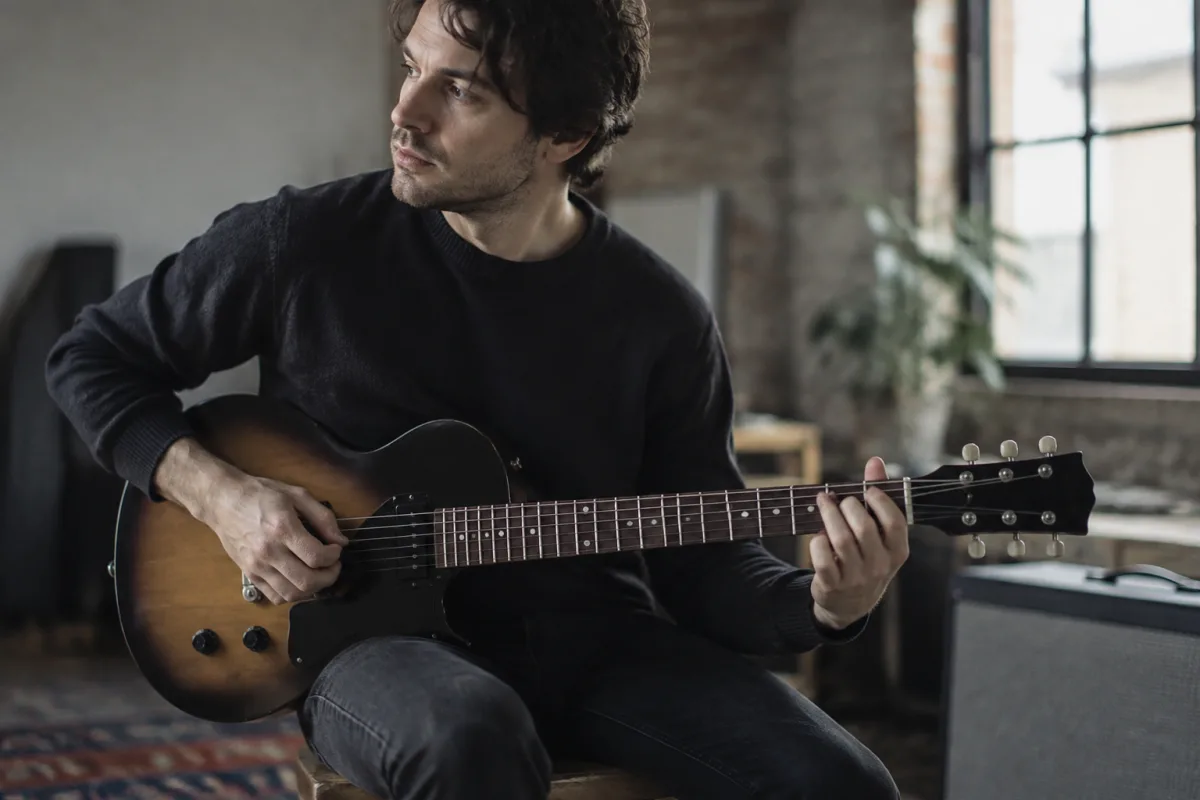
If you're considering your first serious electric guitar or you're upgrading from a budget model, the Epiphone LP Junior deserves serious consideration. It sits at an interesting position: affordable enough that beginners don't feel terrified of damage, well-built enough that it doesn't feel like a toy, and iconic enough that you're playing a design that's inspired countless musicians. This guide walks you through what to expect, how to set it up properly, common worries beginners have, and how to get the best out of this particular guitar.
What Makes the LP Junior Special
The Epiphone LP Junior is a simplified version of the Gibson Les Paul—one of history's most influential guitar designs. Gibson's original LP Junior from the 1950s was a student model, and Epiphone's modern version honors that heritage. It's a solid body electric with a single-cutaway design, usually two humbucker pickups, and a mahogany body. What matters for beginners is this: it's a proper guitar that doesn't compromise on essentials. It has good pickups, a comfortable neck, and hardware that's reliable. It's not feather-light like some budget guitars, and it feels substantial in your hands. The first time you hold one, you understand why beginners often choose it—it feels serious.
Size and Comfort: Bigger Than You'd Expect
The LP Junior is fuller-bodied than many beginner guitars. If you're small-framed or young, it might feel heavy initially. This is normal. Within a week of playing, the weight becomes invisible and you'd probably find a lighter guitar awkward. The neck is comfortable for most hand sizes; if you have very small hands, try one in a shop first. The action (string height) comes reasonable from the factory, but budget time for a proper setup from a technician before you start playing seriously. An hour at a repair shop costs £30-50 and transforms playability. Don't skip this. A properly set-up LP Junior plays dramatically better than one set up haphazardly.
Sound Character: What to Expect
The LP Junior has a warm, full tone thanks to its humbucker pickups and mahogany body. It's naturally darker and thicker than single-coil guitars like Fenders. It handles blues, rock, and metal beautifully. Beginners sometimes worry whether the sound will match their expectations. It won't sound like an expensive Gibson—the slightly thinner finish and hardware reflect the price difference. But it sounds distinctly like an LP. The character is there. Play one unplugged first; that body resonance is the real sound. Plugged into an amp, those humbuckers sing. The tone is one of the LP Junior's strongest points, even at this price level.
Common Beginner Worries About the LP Junior
Beginners often worry that they're "settling" for an Epiphone instead of "real" Gibson. Don't. A properly set-up Epiphone sounds excellent and plays well. Spending three times as much on a Gibson LP Standard doesn't make you a better guitarist; it just means you've invested differently. Many professional musicians play Epiphones by choice. Beginners also worry that the weight will strain their shoulders. True, it's heavier than some guitars, but you adjust quickly. Within a month it feels normal. You also worry about the finish scratching or the hardware failing. These things happen eventually, but quality Epiphone hardware lasts years. Scratches and marks are part of owning a working instrument. They're character, not defects.
Setup and Maintenance for Your First Weeks
When you first get your LP Junior, don't immediately crank down the truss rod or make major adjustments. Take it to a qualified technician for a professional setup. They'll check the neck relief, adjust action, set intonation, and ensure everything is playing optimally. This costs money upfront but saves frustration. A poorly set-up guitar teaches bad habits and makes playing harder than necessary. After setup, basic maintenance is simple: keep it reasonably clean, change strings every 1-3 months depending on use, and store it somewhere temperature-stable. Don't expose it to extreme heat or cold. A wall-mounted stand or stand by the bed means you're more likely to pick it up and play—convenient access matters for practice.
Pickups and Electronics: What You Get
Most LP Juniors ship with Epiphone's own humbucker pickups. They're solid, reliable, and warm-sounding. Beginners often hear about upgrading pickups and assume theirs are inadequate. They're not. The stock pickups are genuinely good. Upgrade them later if you want a different tonal character. For your first year, focus on learning the guitar, not upgrading components. Tone comes from your hands far more than from pickups at this stage. The electronics (volume and tone knobs, 3-way selector) work smoothly and rarely fail. If something breaks, replacement parts are cheap and readily available.
Playing Styles and What the LP Junior Handles
The LP Junior shines for blues, rock, metal, and classic rock styles. It's less ideal for jazz (though still playable) and folk. Country is possible but less natural. As a beginner, you probably don't know your genre yet. Start with the LP Junior, experiment, and let your playing style evolve. If after six months you discover you want to play progressive metal or jazz fusion, you can always add another guitar. The LP Junior won't limit your growth early on. It's versatile enough for exploration.
Common First-Timer Mistakes
Beginners often skip the professional setup, trying to adjust things themselves and creating more problems. Get it set up professionally. They also immediately change pickups thinking it'll improve tone, then realise the originals were fine. Give the stock pickups a real chance. They also play with the strap too loose and develop bad posture habits. Set your strap so the guitar sits comfortably at chest height. Finally, they assume a heavy guitar means lower quality. Weight doesn't indicate quality; build matters more. The LP Junior's weight is actually a sign of solid construction.
Building Confidence: You've Made a Solid Choice
Choosing the Epiphone LP Junior is a genuinely good decision for beginners. You're not overspending on a guitar you might abandon. You're not buying something so cheap it discourages you with playability issues. You're getting a tool that works well and sounds great. Within weeks of playing, you'll stop thinking about whether you bought the "right" guitar and start thinking about how to improve your playing. That's the whole point. The guitar becomes invisible and your focus shifts to music. That's exactly when learning accelerates.
When to Add Other Guitars
After six months of serious playing, you'll have a sense of whether the LP Junior is your main guitar or whether you want to explore other styles. This is when adding a second guitar makes sense—a Strat-style for bright tones, an acoustic for different feel, whatever suits your developing style. But your first guitar should be the one you keep returning to. Many professional musicians still play their first decent guitar alongside expensive modern models. The sentimental value plus actual playability keeps them relevant.
Your First Real Guitar
The Epiphone LP Junior is the guitar that teaches you what "serious" feels like. It's built properly, sounds good, and carries a design legacy. You're not playing a toy; you're playing a real instrument. That matters for your psychology and your practice. Get it professionally set up. Spend time learning it. Discover whether you love it or want something different after exploration. Either way, it's a excellent foundation. If you want deeper dives into LP variations, pickup upgrades, and advanced customisation, the complete guide to the Epiphone LP Junior covers everything. For now, just focus on playing. This guitar is ready.
You've made a solid choice. Play it, enjoy it, and let it teach you who you are as a guitarist.


Comments