


Epiphone LP Junior Buying guide
Epiphone Lp Junior: A Complete Buyer's Guide
Expert guidance on selecting an Epiphone LP Junior. Understand specifications, evaluate quality markers, and make an informed purchase decision.
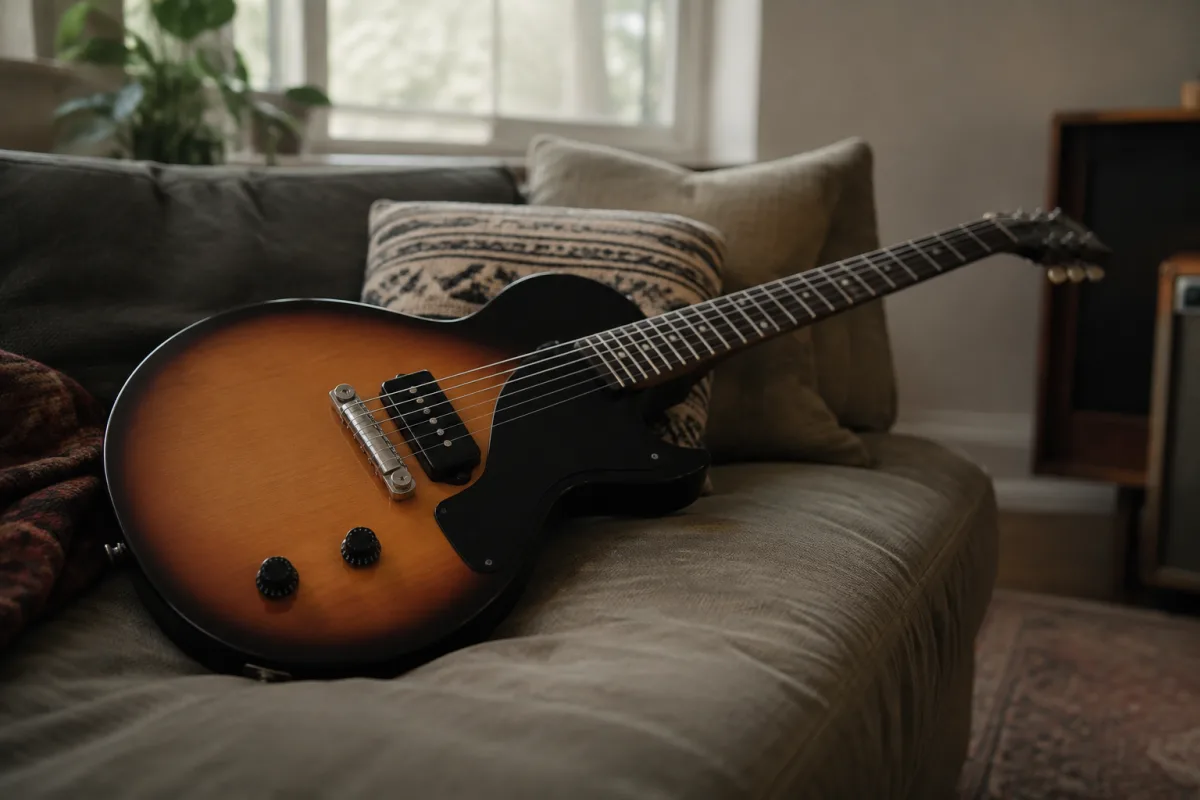
Purchasing an Epiphone LP Junior requires understanding what this guitar delivers, what compromises it accepts, and how to evaluate which of Epiphone's LP variants serves your specific needs and budget. The LP Junior represents Epiphone's most accessible entry into the Les Paul-style platform, offering recognisable aesthetics and Les Paul tonality at prices substantially lower than Gibson originals or higher-end Epiphone models. However, budget constraints inevitably create trade-offs—not all Epiphone LP Juniors deliver equal quality across different production years and configurations. This buying guide focuses on practical purchasing decisions: which specifications genuinely matter, how to evaluate different LP Junior variants, common mistakes, realistic pricing, and how to ensure you're purchasing a guitar that serves you excellently rather than one you'll regret within months. For comprehensive technical details about LP Junior specifications and features, our complete guide to the Epiphone LP Junior provides detailed context. Here, we concentrate on making smart purchasing decisions aligned with realistic value expectations.
Understanding LP Junior Specifications and Construction
The Epiphone LP Junior occupies a specific market position: affordable enough for budget-conscious buyers, yet genuinely playable and respectable-sounding. Construction quality varies considerably across different production years—some periods produced robust instruments that outlasted expectations, whilst others experienced quality control inconsistencies. Examine specific models released within the past five years; older LP Juniors sometimes suffer from component deterioration or outdated electronics.
The body construction typically utilises mahogany or similar materials with laminate tops rather than solid wood throughout. This represents the primary cost-saving distinction from premium models. The difference in tone is noticeable but not necessarily problematic for the intended market—budget players, beginners, and experimenters who value affordability over ultimate tone refinement. The neck remains typically well-constructed with adequate playability, though bridge and saddle materials sometimes compromise intonation accuracy compared to higher-tier models.
Examine whether your candidate LP Junior includes the "Junior" body style (single-cutaway, compact body with reduced depth) or incorporates features from standard LP designs. Genuine LP Juniors remain thinner and lighter than full-size Les Pauls, affecting tone character and playability. This differentiation matters substantially—the reduced mass produces brighter, thinner tones compared to full-size designs, which some players prefer and others find disappointing relative to Gibson/Epiphone standard LP aesthetics.
Pickup Quality and Electronics Assessment
Epiphone LP Junior pickups vary considerably by production year and model revision. Recent models often feature acceptable quality with bright, articulate tones suitable for rock and alternative genres. Older production examples sometimes shipped with muddy, underwhelming pickups frustrating players expecting Les Paul tonal character. Before purchasing, listen to audio samples or play the specific model through an amplifier if possible. Pickup quality represents the most noticeable sonic differentiator affecting playability satisfaction long-term.
Evaluate the electronics thoroughly—potentiometer quality, switch reliability, and jack tightness. Budget models sometimes feature loose jacks causing intermittent connection issues or scratchy potentiometers requiring replacement shortly after purchase. Test every control and switch personally before committing. Listen for crackling or intermittent dropout. Electronics replacement costs £50–150, potentially significant for budget-focused purchases.
Consider whether your candidate LP Junior includes active electronics (battery-powered amplified pickups) or passive designs (traditional pickups without amplification). Active electronics can provide improved tone shaping and reduced impedance sensitivity; passive designs remain simpler and more traditional. Neither approach is objectively superior; this choice involves personal preference and intended amplification systems.
Neck Profile and Playability Considerations
Epiphone LP Junior necks vary across different models and production years. Thicker neck profiles appeal to players preferring substantial hand feel and improved comfort during extended playing; slimmer profiles suit players with smaller hands or those accustomed to modern guitar ergonomics. Examine actual neck dimensions and test potential purchases personally when possible. A neck that feels wrong immediately rarely becomes comfortable after purchase—this evaluation deserves serious consideration time rather than rushed decisions.
Fret condition matters substantially for playability. High-quality frets remain level, crowned properly, and allow clean note production with moderate finger pressure. Poor fret work creates buzzing, dead spots, or requires excessive pressure. Inspect frets carefully under good lighting. Run your finger along the fretboard checking for high or low spots. Budget guitars sometimes feature lower-quality fret work that frustrates development of proper technique.
Common Purchasing Mistakes
The most frequent error involves purchasing based purely on aesthetic appeal without evaluating playability and sound quality in person. The LP Junior's classic Les Paul appearance appeals to many, tempting purchases without adequate hands-on evaluation. Budget guitars deserve greater caution than premium instruments—cost-saving compromises sometimes create obvious problems requiring repair or replacement. Play before purchasing when possible; don't rely on photographs or specifications alone.
Many buyers underestimate the importance of professional setup with budget instruments. An LP Junior that plays poorly immediately sometimes becomes acceptable through proper adjustment by skilled technicians. Conversely, setup cannot resolve fundamental quality issues (poor pickups, low-quality electronics, bad fret work). Evaluate intrinsic quality before committing; don't assume setup will fix significant problems.
Some purchasers overlook fret durability, then discover excessive fret wear within a year, requiring expensive replacement. Budget guitars sometimes feature softer fret material or inadequate fret crown heights from the factory. After purchase, monitor fret condition periodically. If fret wear accelerates beyond normal progression, address this issue through professional guidance before it becomes catastrophic.
Beginners frequently pair LP Juniors with budget amplification, then conclude the guitar sounds terrible when the actual problem involves poor amplifier quality destroying tone. An LP Junior through quality amplification sounds substantially better than through budget equipment. If disappointed by initial tone, verify amplification quality before blaming the guitar.
Epiphone LP Junior Value Across Price Points
LP Junior pricing varies considerably based on features, production year, and retail channel:
| Price Range | Typical Models | Likely Quality Level |
|---|---|---|
| £200–350 | Basic entry-level LP Junior | Acceptable for absolute beginners; significant playability/tone limitations |
| £350–500 | Standard modern LP Junior | Good value; solid playability and acceptable tone quality |
| £500–700 | Premium LP Junior, upgraded components | Respectable tone, improved electronics, better build consistency |
| £700+ | Special editions, vintage sought items | Collector interest; potentially higher quality than standard production |
The £350–500 range represents optimal value for most LP Junior buyers. Guitars at this price point combine acceptable playability with respectable tone quality and reliable electronics. Budget options (£200–350) sometimes deliver surprising value but occasionally surprise negatively; premium segments (£500+) justify investment primarily through improved consistency and special features rather than revolutionary improvements.
Evaluating Used LP Juniors
Used Epiphone LP Juniors can offer genuine value if purchased with appropriate caution. Examine cosmetic condition, fret wear (excessively worn frets indicate prior abuse or heavy playing), and electronics functionality. Test all controls and switches thoroughly. Ask about service history—has it received professional maintenance? Verify the neck remains straight by sighting along the fretboard; twisted necks indicate serious impact damage.
Purchase used instruments from established retailers rather than private sellers when possible. Authorised dealers typically guarantee minimum quality standards and offer some recourse if problems emerge. Private sales might offer lower prices but eliminate consumer protections. Budget used LP Juniors within £250–400 range; prices below this typically indicate quality issues worth investigating thoroughly before purchasing.
Making Your Selection Decision
Before finalising your purchase, establish realistic expectations. Epiphone LP Juniors deliver respectable rock-oriented tones at prices significantly lower than Gibson equivalent or high-end Epiphone models. They won't replicate Gibson tone character or construction quality—you're purchasing a budget alternative, not a Gibson substitute. If authentic vintage Les Paul tone remains critical to your satisfaction, budget accordingly for higher-tier instruments.
Play multiple models personally if possible, testing different production years and configurations. Each variant has distinct characteristics—what pleases one player frustrates another. Don't prioritise theoretical specifications over hands-on feel and actual sound through an amplifier. The model that feels best in your hands and sounds most inspiring through your amplifier makes the best purchase regardless of specification lists.
Finally, factor ongoing maintenance into your consideration. Budget LP Juniors sometimes require prompt professional adjustment ($50–150 setup cost) and occasional component replacement (electronics, hardware). These follow-up costs remain modest but represent realistic additions to initial purchase price. A £400 guitar requiring £100 setup represents £500 total investment; anticipated this honestly before purchasing to avoid budget shock later.



Comments