


Electric Guitar to Headphones article
The Complete Guide to Electric Guitar To Headphones
Connecting your electric guitar to headphones enables silent, high-quality practice with complete control over your tone. Discover the best methods and equipment for your setup.
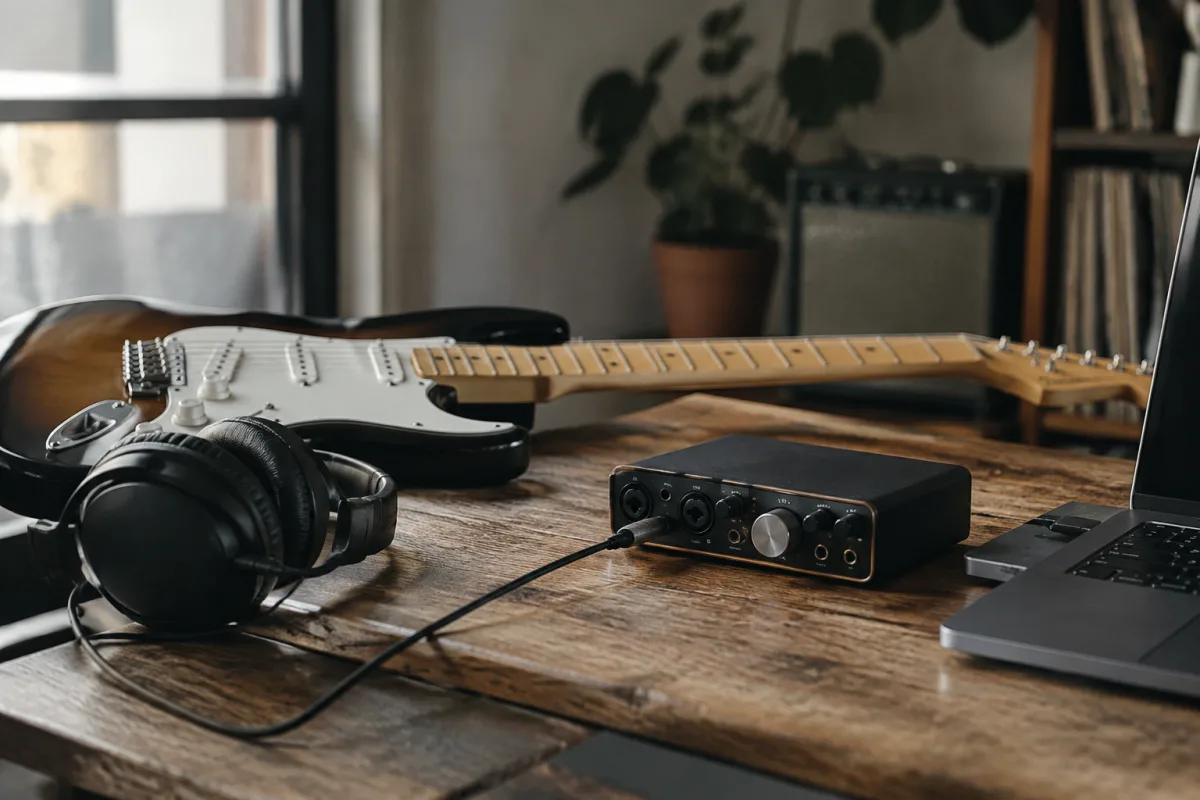
Connecting an electric guitar directly to headphones opens up a world of silent practice and creative experimentation. Whether you're a flatmate-conscious player, a late-night session enthusiast, or simply someone who values hearing exactly what's going on in your signal chain without disturbing others, this guide will walk you through the most practical and affordable methods to get quality tone directly into your ears.
Why Connect an Electric Guitar to Headphones?
The benefits of electric guitar to headphones monitoring are substantial. You can practise at any hour without complaints from flatmates or family members. You gain complete control over your monitoring mix, adjusting the volume and tone to suit your mood and the time of day. You can experiment with amp simulations and effects without investing in expensive hardware. Most importantly, you hear your playing with absolute clarity—every note, every technique detail, and every timing imperfection jumps out at you, making it an invaluable tool for improvement.
The Direct Connection Challenge
A guitar's pickup generates a high-impedance signal that's not suitable for direct headphone connection. Plugging a guitar cable straight into standard headphones will either produce no sound or severe distortion. To properly convert your guitar signal for headphone monitoring, you need an intermediary device that handles impedance matching, amplification, and ideally some tone shaping to make the sound pleasant and usable.
Essential Equipment Options
Several solutions exist for routing your electric guitar to headphones, each with distinct advantages and price points:
- USB Audio Interface — This is the most popular solution for modern players. Devices like the Focusrite Scarlett or Behringer U-Phoria connect via USB to a computer, allowing you to use amp simulation software, effects plugins, and digital signal processing. You hear the results immediately through headphones, and you have the added benefit of recording your playing directly into your DAW (Digital Audio Workstation). Typically £30–£150.
- Headphone Amplifier — A dedicated headphone amp designed specifically for guitars amplifies and colours your signal before sending it to your headphones. These devices are compact, often battery-powered, and don't require a computer. Brands like Vox, Boss and Behringer offer affordable options ranging from £20–£100.
- Portable Amp with Headphone Out — Some practice amps and combo amplifiers feature a headphone output socket that carries a line-level signal suitable for headphones. This approach is excellent if you already own a compatible amp, though few modern amps include this feature.
- Multi-Effects Unit — Devices like the Boss GT-1 or Line 6 Helix combined amp simulations, effects processing and headphone outputs into one platform. These are more expensive (£200–£2000+) but provide unprecedented sound-shaping flexibility.
- Guitar Amp Simulator Software — Programs like Guitar Rig, Amplitube and LePou Plugins turn your computer into a virtual amplifier. Paired with a basic USB audio interface, this is a cost-effective solution for creating studio-quality tones, though you'll need to manage CPU resources and potential latency.
Setting Up Electric Guitar to Headphones
The connection process varies slightly depending on your chosen device, but the basic signal flow remains consistent. Connect your guitar to the input of your intermediary device using a standard instrument cable. Then route the output to your headphones. Some devices use a 3.5mm headphone jack, whilst others may use quarter-inch connectors or balanced XLR outputs. Adjust the gain and volume controls to achieve a comfortable listening level—aim for a point where you can hear clarity without fatigue or distortion.
Choosing the Best Headphones
Headphone selection matters more than many players realise. You want monitors that provide an honest, relatively flat frequency response so you can hear what's actually happening in your tone. Closed-back headphones are ideal because they isolate you from ambient noise whilst preventing sound leak. Studio monitor headphones from brands like Audio-Technica, Sennheiser, and Sony will serve you far better than consumer-oriented bass-heavy models. Expect to budget £30–£150 for reliable monitoring headphones; more expensive does not always mean better for guitar practice purposes.
Amp Simulation and Software Considerations
If you're routing through a computer-based solution, amp simulation software can dramatically enhance your playing experience. These plugins model real amplifiers and speaker cabinets, transforming your guitar tone into something that rivals traditional amplifier setups. Popular options include free alternatives like LePou Plugins and Muse Research Mercurial, as well as premium products like Line 6 Helix Native and Neural DSP amp simulations.
Be mindful of latency—the delay between playing a note and hearing it back. Most modern audio interfaces and software can achieve latencies below 10 milliseconds, which is barely perceptible. However, older computers or poorly configured setups may introduce noticeable delays that make playing frustrating. If you experience latency issues, reduce your buffer size in your audio software's preferences, ensure your computer meets recommended specifications, and consider upgrading to an audio interface with lower-latency drivers.
Recording Your Practice Sessions
One of the underrated advantages of using an audio interface is the ability to record your practice sessions directly to your computer. This is invaluable for identifying weak points in your technique, tracking progress over time, and creating backing track arrangements. Simply route your guitar input into your DAW, record whilst monitoring through your headphones, and you've instantly created an archive of your work. This practise discipline accelerates improvement dramatically.
Budget-Conscious Alternatives
If you're on a tight budget, several entry-level options can get you up and running quickly. A basic USB audio interface from Behringer costs under £30 and handles the impedance conversion admirably. Pair it with free amp simulation software and you've got a complete setup for under £50. Alternatively, a small headphone amplifier from Vox or Boss provides solid results for around £20–£40 and requires no computer whatsoever.
The Bottom Line
Connecting your electric guitar directly to headphones is entirely practical and increasingly popular amongst modern guitarists. Whether you choose a simple headphone amplifier or invest in a computer-based audio interface with sophisticated amp simulation, the key is finding a solution that fits your needs, your space and your budget. The ability to practise silently whilst maintaining tone quality and signal integrity transforms your relationship with your instrument, encouraging longer, more focused practise sessions. Start with whatever option appeals to you most—the barrier to entry is remarkably low, and the benefits are genuine and immediate.



Comments