


Precision Bass roundup
Precision Bass: A Complete Buyer's Guide
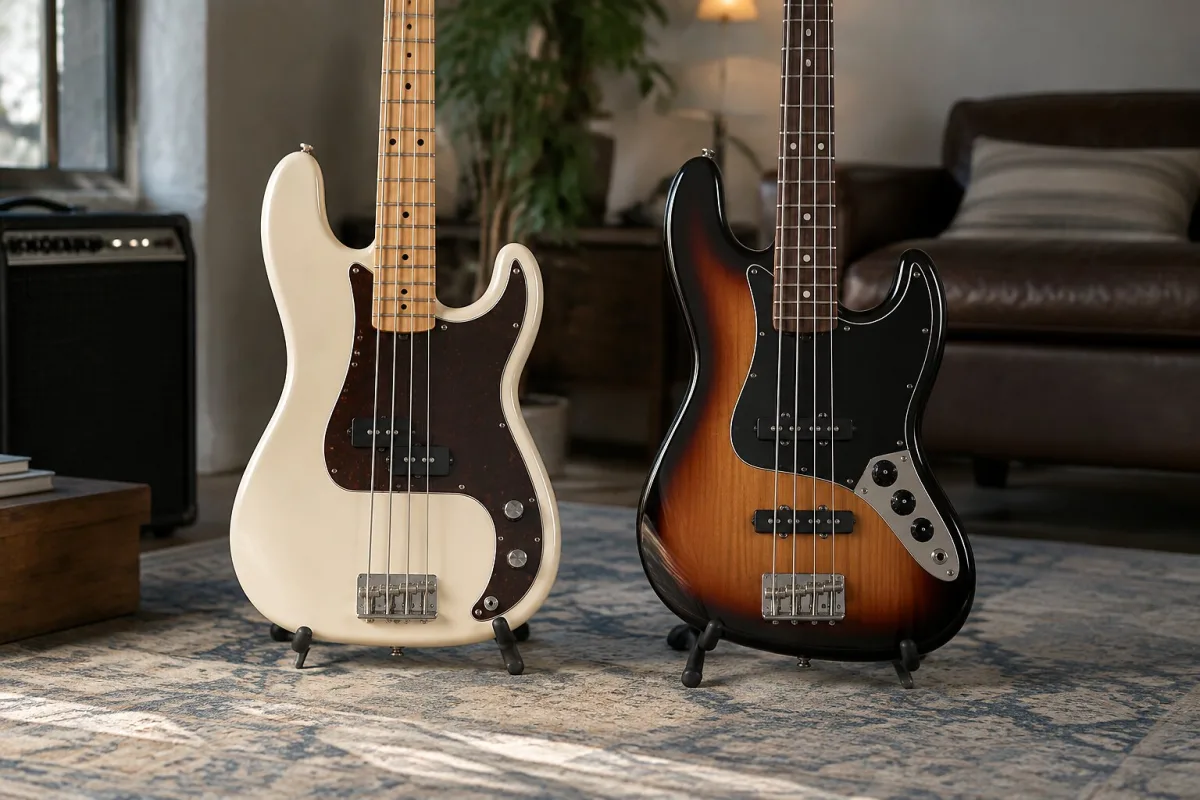
Picture this: you're standing in a music shop, and the shop owner places a Fender Precision Bass in your hands. It's warm from the afternoon sun coming through the shop window, and the weight of it feels right—solid, balanced, like an instrument that knows its job and does it without fuss. That moment, when an instrument just feels like home, is what shopping for a P Bass ought to be about. This guide takes you through the whole story: how to listen like a player, what specs actually matter, and how to find the bass that's going to make you want to pick it up every single day.
What You're Really Shopping For
A Precision Bass is a simple instrument, which is exactly why choosing one matters. There are no complex tone controls to hide behind, no pickup switching to rearrange your sound. What you buy is what you get. That means the hunt comes down to feel, playability, build quality and whether the instrument inspires you to play.
The most expensive P Bass doesn't automatically sound better than a competently set-up £400 bass. Price reflects manufacturing location, hardware quality, finish details and brand prestige. A Mexican-made bass and an American-made bass might sound nearly identical after both are strung with good strings and set up properly. The difference is in the details, the resale value, and how the instrument makes you feel.
Play First, Specs Later
Walk into a shop and ask to play several Precision Basses through an amplifier. Don't read the price tags yet. Pick up an entry-level model, then a mid-range bass, then a premium American-made instrument. Pay attention to how the neck feels—the profile, the width, the finish. Notice how your hand settles into position. Some necks feel chunky and comfortable; others feel thin and modern. Neither is wrong, but you need to find which feels natural to your hands.
Play the same bass line on each one. Listen to how the tone changes. You might hear the most expensive bass ring with slightly more clarity and sustain, or you might discover that the cheaper model has a tone you prefer. Trust your ears. If a bass makes you want to play longer, if you find yourself coming back to it, that's the one worth investigating further.
The Neck: Where Playability Lives
The neck is where your hands spend every moment, so get this decision right. Precision Bass necks vary from thick and comfortable (classic American profile) to thin and modern (contemporary player profiles). If you've played jazz guitar or classical, a wider bass neck might feel natural. If you're coming from electric guitar, a narrower profile might suit you better.
Check the nut width—standard P Basses use 1.625 inches, but some modern basses taper to 1.5 inches. Run your thumb along the back of the neck. Does it feel smooth and finished, or rough? Play up at the 12th fret and near the body. Does the action feel consistent, or does the neck seem to have relief or back-bow? A good bass should play evenly all the way up the neck.
Don't overlook the frets themselves. Are they levelled and polished, or does the light reveal small dips and irregularities? Play the bass electrically and unplugged. Listen for buzzing frets or dead spots where the note dies prematurely. A professional setup can fix minor issues, but you shouldn't have to solve significant fret problems yourself.
The Body and Electronics: Comfort Meets Tone
Hold the bass standing up, as if you're about to play a gig. Does the body balance on your leg, or does it feel like it's trying to slide? Does it feel substantial and solid, or flimsy and cheap? The body should feel like it's made to last, not like it's going to crack if you glance at it wrong.
Check the bridge. Is it solid and heavy, with proper string-through holes? Does the bridge move when you press on it, or is it fixed and stable? Check the tuning machines—they should turn smoothly without grinding or play. Check the electronics: plug in and turn the volume knob. Does it come on smoothly and consistently, or does it crackle and jump?
For a first bass, passive electronics (no battery required) are simpler and more reliable. Active systems (with preamp) offer wider EQ control but introduce complexity and require battery changes. A straightforward passive P Bass is harder to get wrong.
New Versus Used: Where to Find Your Bass
New basses come with a warranty, the confidence that you're not inheriting someone else's problems, and the appeal of fresh strings and a factory setup. For a first bass, new often makes sense because you won't spend months wondering whether the bass has issues or whether you're just not set up well enough to hear what it can do.
Used basses can offer tremendous value. A 10-year-old American-made P Bass might cost the same as a new Mexican model, and the older bass might be built more robustly. Look for signs of heavy wear—fretboard divots, dings in the body, corroded hardware—which suggest either casual use or neglect. Play the bass thoroughly and negotiate the price if you find minor setup issues you're willing to fix yourself.
Avoid basses with cracked bodies, separated frets, corroded pots or hardware issues you can't assess. Those repairs cost money and time. A good used bass should feel solid and playable immediately, with only cosmetic imperfections.
The Budget Question: How Much Should You Spend?
Entry-level Precision Basses (£200–400) deliver playable instruments suitable for learning and gigging. The compromises are in refinement: slightly higher action, less fancy finishes, hardware that works but isn't premium quality. Many working musicians started on entry-level basses and never felt the need to upgrade.
Mid-range basses (£400–800) represent the sweet spot for quality and value. You're getting better fret work, refined hardware, and more careful setup. American-made entry-level models sit in this range and offer significantly better quality control than budget imports.
Premium basses (£800+) push into high-end woods, hand-finished hardware, vintage appointments and professional-grade components. You're paying for craftsmanship and resale value. These instruments are gorgeous and build confidence through quality, but they're not necessary for professional-sounding recordings or live performances.
Choosing Your First P Bass: A Practical Checklist
First: play several basses and listen carefully. Second: decide whether you prefer a thicker or thinner neck profile. Third: set a realistic budget and stick to it. Fourth: check that the neck is straight, the frets are level, and the electronics respond smoothly. Fifth: trust your instinct about whether this is the bass you want to live with.
Don't chase brand prestige or the most expensive option. A bass that makes you want to play is worth more than a trophy instrument you're afraid to ding. Buy something you love, keep it in good repair, and you'll be playing it for decades.
Conclusion
Shopping for a Precision Bass is about finding an instrument that feels right, inspires you to play and sounds like you want to sound. The best bass isn't necessarily the most expensive; it's the one that makes you want to pick it up every day. Walk into a shop, play several basses, listen carefully, and trust the moment when you know. That's the bass worth bringing home.




Comments