


Valve Amp article
Valve Amp for Beginners: A Complete Guide
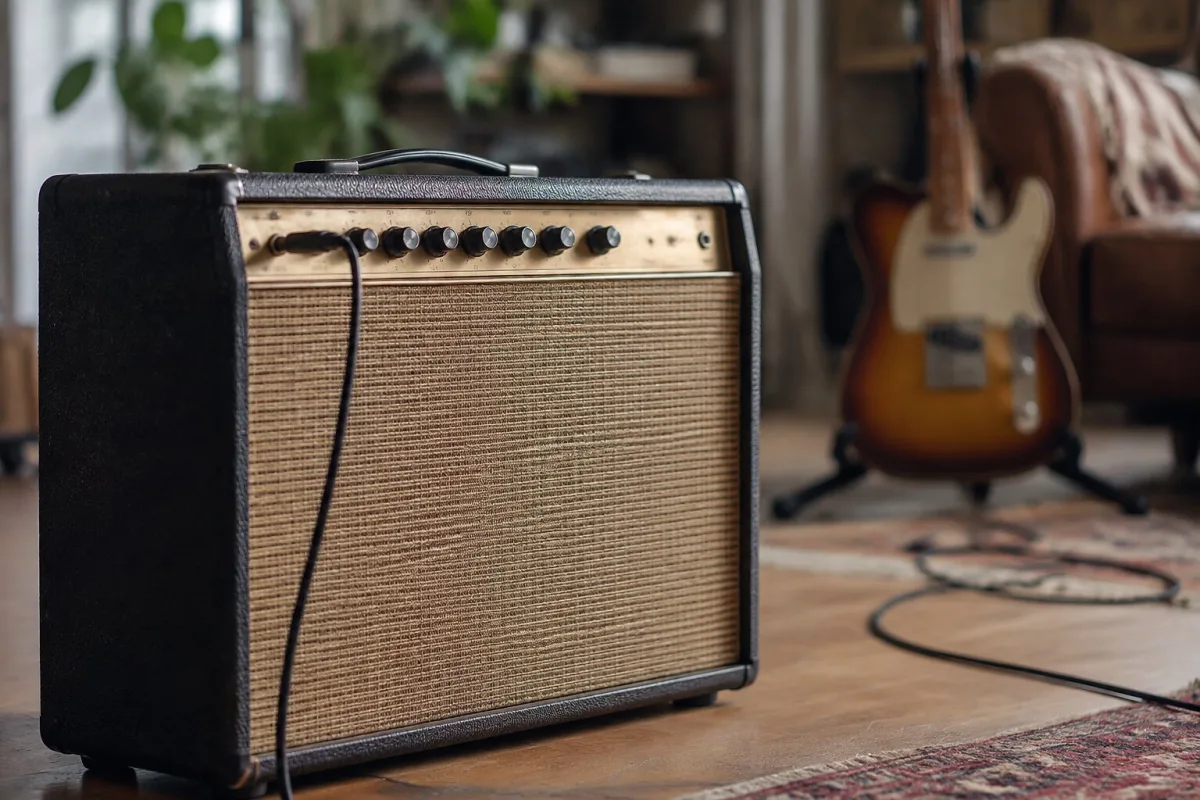
Valve amplifiers can seem intimidating when you're starting out. They're heavy, they run hot, valves need replacing eventually and the terminology—Class A, push-pull, 12AX7, EL34—sounds like something from an electronics textbook rather than a music tool. In reality, a tube amplifier is conceptually simpler than you might think. You don't need to understand the physics completely to choose one, use one safely and enjoy how it sounds. Here's what a beginner actually needs to know.
Why Choose a Valve Amp as a Beginner?
When you're learning guitar, every tool affects your progress. A valve amplifier responds to how hard you pick, how much you dig into the strings and how you control the volume knob. That responsiveness can actually help you develop better technique because the amplifier tells you immediately when you're doing something right. A solid-state amp or digital modeling amplifier will also work, but a tube amp offers something unique: your playing controls the tone in a visceral, physical way.
The downside is weight and complexity. Valve amps are substantially heavier than solid-state alternatives. They require basic maintenance. They get hot. They need to warm up and cool down properly. If you're a basement bedroom player, these trade-offs might not be worth it. If you're genuinely excited about how tube amps sound and feel, they're completely worth the effort.
Understanding the Basic Idea
A valve amplifier uses vacuum tubes—heated glass bulbs containing a vacuum—to amplify your guitar's signal. You plug into the input, the signal goes through the preamp (where most tone-shaping happens), through a tone control, through the power amplifier (which drives the speaker), and out through a speaker inside a cabinet or in a combo unit.
That's genuinely it at the basic level. The tubes heat up, they amplify your signal, and sound comes out. You don't need to understand electron flow or plate voltage to use a tube amp safely and effectively. You just need to know a few practical rules.
Combo or Head and Cabinet?
A combo puts the amplifier and speaker in one box—convenient, everything matched and ready to play. A head and cabinet separate the amplifier from the speaker. For a beginner, a combo is almost always the better choice. It's simpler, everything works together, and you don't have to worry about impedance matching or cables. The trade-off is weight: a tube amp combo can be heavy, especially for acoustic guitars. But if you can carry it, a combo is the sensible choice to start with.
Wattage Doesn't Mean Volume
A 15-watt valve amp is genuinely loud—loud enough to fill a bedroom or rehearsal space. A 50-watt amplifier is substantially louder. A 100-watt stack is touring equipment. For bedroom playing, learning and small rehearsals, 15 to 30 watts is plenty. You don't need a massive amplifier; you need an amplifier that suits where you actually play. Most beginning players are better served by a smaller combo than a big head.
Essential Safety Rules
A valve amplifier contains high voltages that can kill you even when switched off. Never open the amplifier yourself or attempt internal repairs. Don't remove tubes unless the manufacturer's manual explicitly instructs you to and the amplifier has been off for at least 30 minutes. Always use the correct speaker cable between a head and cabinet—never an instrument cable. Never operate a valve head without an appropriate speaker load connected. These aren't optional suggestions; they're genuine safety requirements.
Valves and Maintenance
Tubes eventually wear out and need replacing. Preamp tubes typically last years; power tubes last through variable use but eventually fail. Replacing them is simple—you unplug the old tube and plug in the new one—but you should take the amplifier to a technician if you're uncomfortable doing it yourself. The cost is reasonable and worth the peace of mind.
Keep the amplifier's ventilation openings clear. Allow it to warm up as the manual specifies; don't just switch it on and play instantly. Avoid excessive vibration when the tubes are hot. Transport it carefully; rough handling can damage tubes and internal components. These are normal maintenance practices, not particularly difficult.
Clean Channel and Pedals
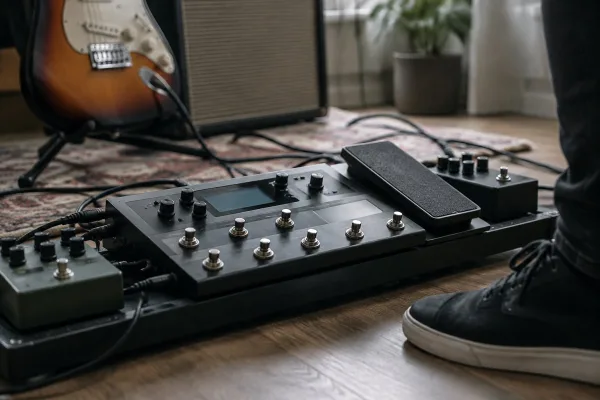
Most beginner players start with a simple tube amp: one channel, no effects. You plug in, turn up the volume and gain controls, and the amplifier either stays clean or breaks up depending on how hard you push it. This simplicity is a feature, not a limitation. If you want different tones, you use pedals—distortion pedals, overdrive pedals, delay, reverb—in front of the amplifier. This approach gives you complete control over your tone and is how many professional players operate.
Tone Is Subjective
Valve amps are often described as "warm," "punchy" or "saggy"—terms that mean different things to different players. There's no objective "best" tone. What matters is that you like how it sounds and how it feels when you play. Try different amplifiers if you can, play through them at reasonable volume, and see what excites you. Your first tube amp doesn't have to be perfect; it just has to inspire you to play more.
Getting Started
If you're genuinely interested in valve amps, start with a modest combo from an established manufacturer: Fender, Vox, Marshall, Orange or similar. Look for something in the 15 to 30-watt range, used if budget is tight, and try it before committing if possible. Take the time to read the manual and understand the basic controls. Play through it regularly and learn how it responds to different settings and playing styles. A tube amplifier is a genuine tool—sometimes temperamental, always rewarding—and learning to use one is part of becoming a better player and understanding your own sound.





Comments