


Valve Amp roundup
Valve Amp: A Complete Buyer's Guide
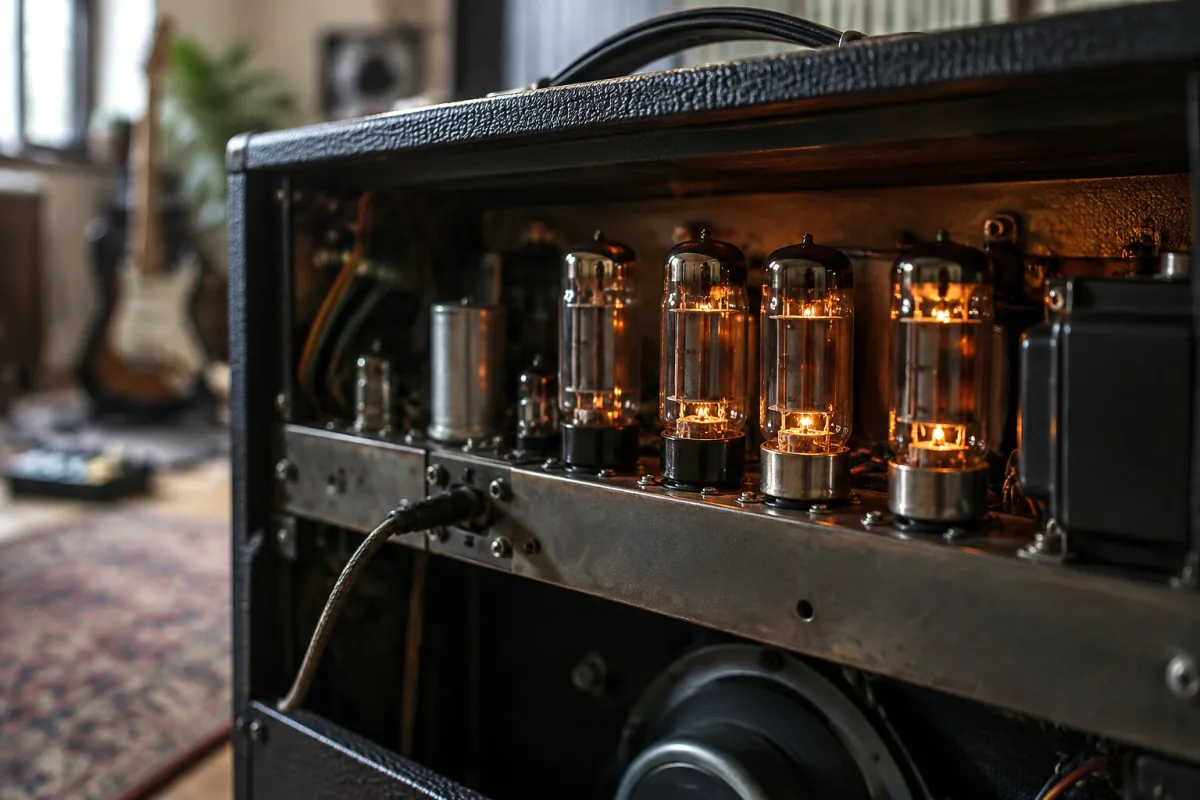
Buying a valve amp is a commitment. These aren't cheap, they're heavy, they require maintenance and they run hot—so you'd better make sure you're choosing the right one. The good news is that the decision gets simpler once you know what questions to ask. Start with volume, move to tone, think about your actual playing style and environment, then verify the details that too many players overlook until something breaks.
Step One: How Loud Do You Actually Need?
The wattage number is misleading. A 15-watt tube amp can easily fill a bedroom; a 50-watt valve amp can be too loud for a rehearsal space without an attenuator. Perceived volume depends on speaker efficiency, cabinet design, how close you are to the speaker and the listening environment. Before deciding on wattage, think about where you'll actually play: bedroom recording, rehearsal studio, local clubs, or touring. A 5 or 15-watt combo suits home use and small rehearsals. A 30 or 50-watt head with a cabinet works for clubs and recording. Larger valve amps are touring equipment.
Step Two: Do You Want Clean Headroom or Early Breakup?
This is the core choice in valve amp buying. A high-headroom amp—typically Fender-style with 6L6 power tubes—stays clean until you push it hard, then cleans up when you reduce volume or picking intensity. It favours dynamics and feel. An earlier-breakup design—typically Marshall-based with EL34 power tubes—overdrives more readily even at moderate volumes. It favours rich, compressed tones at lower levels. Neither is objectively better; they suit different players and styles. A blues player might prefer early breakup; a country or classic-rock player might need the headroom. Test both if possible.
Step Three: Where Does Distortion Come From?
On a valve amp, overdrive can come from the preamp (early, controlled distortion), the power stage (natural, responsive breakup when the output tubes are driven hard), pedals (added before the amp), or a combination. Understanding your distortion philosophy matters. Do you want the preamp to do the work, letting you shape tone with gain and EQ? Do you want a clean channel that lets pedals do the heavy lifting? Do you want the power stage to scream when you push it? Your answer determines whether you need a single-channel amp, a multi-channel design with switching, or a simple amp plus pedals. Most modern playing combines pedals with amp distortion, so flexibility helps.
Combo or Head and Cabinet?
A combo puts the amplifier and speaker in one box—convenient, portable within reason, and everything is matched by the manufacturer. The drawback is weight: a tube amp combo can be genuinely heavy, especially for acoustic players. A head and cabinet split the weight, give you flexibility to upgrade the speaker independently and allow you to run multiple cabinets. The tradeoff is complexity: you need to verify impedance matching, get a proper speaker cable, and manage more equipment. For bedroom use or local gigging, a combo is fine. For touring or regular hauling, consider a head.
Speaker Choice Matters As Much As The Amp Head
A valve amp's tone emerges from the interaction between amplifier circuit, speaker and cabinet. Two identical amp heads through different speakers sound noticeably different. A Celestion Greenback speaker colours tone one way; a modern Celestion V30 colours it another. Speaker efficiency and cabinet design affect perceived volume and bass response. Before buying a head, think about the speaker you want and whether the cabinet it comes in suits your needs. Many players overlook this and end up disappointed with an amp that sounds great in the shop through the demo cabinet but dull through their own speaker at home.
Features: Master Volume, Reverb, Effects Loop
A master volume lets you access power-stage breakup at lower external volumes. A effects loop inserts pedals after the preamp, letting them sit in the driven signal. Reverb and built-in delay add space and dimension. Channel switching lets you flip between crunch and lead tones without plugging and unplugging. None of these features are essential—many classic valve amps lack them—but they affect how versatile the amp is in different settings. Think about whether you actually use these things; there's no point paying for features you won't use.
Weight and Transport
A valve amp is substantially heavier than a digital alternative, and the weight is not optional—transformers and speakers are genuinely heavy. If you gig regularly or travel by public transport, weight matters. If the amp stays in a practice space or studio, it matters less. Some players invest in flight cases or flight-case-style heads to make transport easier. Others accept that a valve amp stays put. Be honest about your lifestyle before committing to a 50-watt stack.
Used or New?
Used valve amps often offer better value than new boutique designs, particularly classic models from the 1960s and 1970s. A well-maintained Fender Bassman or Marshall Bluesbreaker can be found at reasonable prices and sounds excellent. The downside is unknowns: valve condition, whether the amp was serviced recently, whether output tubes are still good. A used amplifier purchase should include a trial period and ideally inspection by a qualified technician. New amplifiers come with a warranty and known history, but you'll pay current pricing for designs that may be decades old.
Valves Are Consumable
Power tubes eventually need replacing. Preamp tubes last longer but do degrade. Budget for valve replacement every few years if you gig regularly, longer if you play casually at home. A technician can replace preamp tubes, but power tubes typically need biasing, which requires professional equipment. Valve cost and availability vary by type, but replacement is straightforward and normal maintenance, not a sign of failure.
Test Before You Buy
If purchasing in person, plug in your guitar, play through the amp at volume, and listen how it responds to your playing. Does it feel responsive? Does it overdrive the way you expect? Does the speaker sound good or thin? If buying online, check the return policy and be prepared to send it back if it doesn't work for your setup. Valve amps vary in feel and response more than solid-state amps do, so the demo unit in the shop might feel different from the one you receive at home.
A valve amplifier is an investment in a specific sound and feel. Start with volume and tone preferences, consider your actual playing environment and transport needs, verify speaker and cabinet choices, then handle the details: impedance matching, proper cables, valve type compatibility. Do that and you'll buy an amplifier that works for you rather than chasing gear specifications that don't match your playing style.




Comments