


Positive Grid Guitar Amp Buying guide
Positive Grid Guitar Amp: A Complete Buyer's Guide
Positive Grid offers digital amp modeling software — a fundamentally different approach to guitar amplification. This guide walks you through products, pricing, and how to choose without overspending.
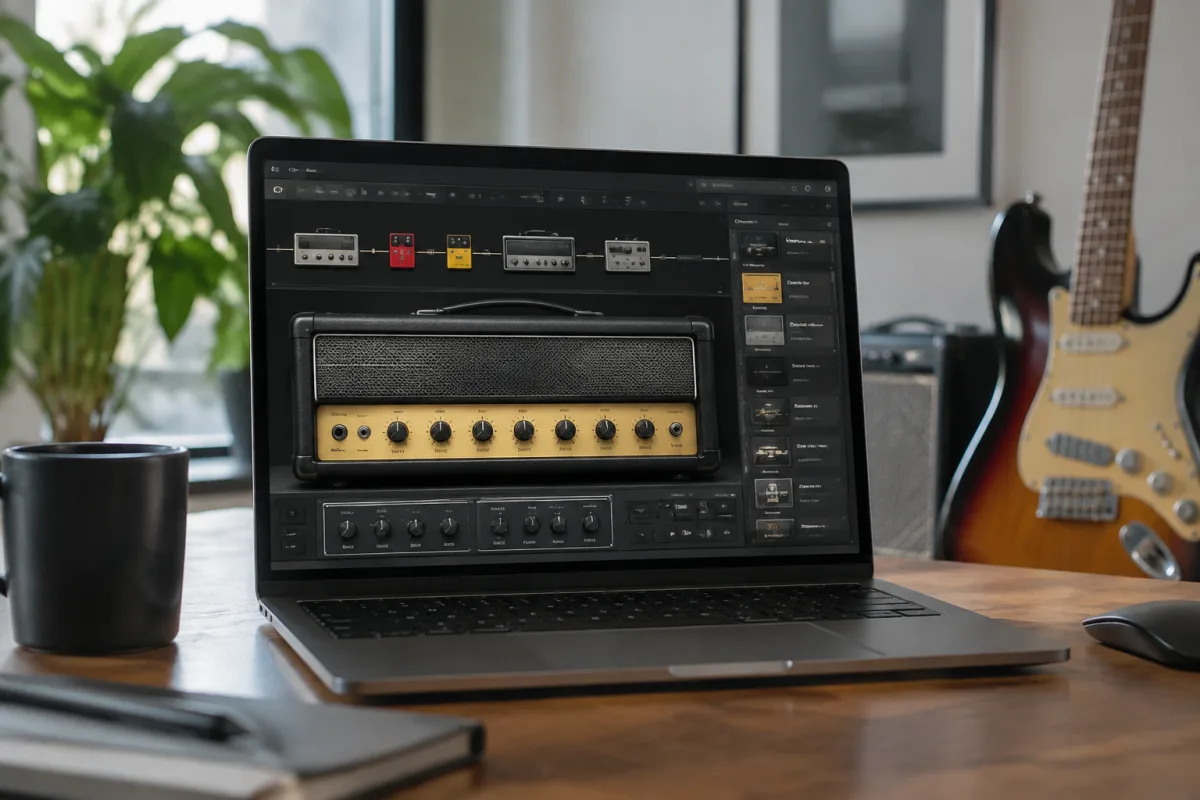
Positive Grid offers a fundamentally different approach to guitar amplification: digital amp modeling software that runs on your computer or iPad. Instead of buying a physical amplifier, you purchase software that simulates hundreds of classic and modern amps, effects, and cabinets. When buying a Positive Grid solution, you're navigating a different purchasing landscape than traditional gear — no moving parts to wear out, no shipping weight, but complex subscription models and compatibility questions. This guide walks you through what Positive Grid offers, which products suit different needs, and how to choose without overspending on software you won't use.
Understanding Positive Grid's Product Range
Positive Grid makes several interconnected products. BIAS Amp is their core amp modeling software — a virtual recreation of classic tube amplifiers. BIAS FX is effects software that pairs with BIAS Amp or works standalone. BIAS AMP Pro includes both, plus advanced editing capabilities. Additionally, they offer the Bias Head (hardware unit) and Quad Cortex (high-end floor unit).
For buyers on a budget or starting with digital amp modeling, BIAS Amp Standard or BIAS FX Standard (the entry-level software versions) are the starting points. These cost £39–69 as one-time purchases. BIAS Amp Pro and BIAS FX Pro cost £99–199.
The hardware units (Bias Head around £299, Quad Cortex around £1999) are for gigging musicians who want a standalone device without needing a computer onstage. These are not entry-level purchases.
The Core Advantage: Endless Amp Options
A physical amplifier creates one tone (plus modest tone-shaping via EQ). Positive Grid's amp modeling gives you hundreds of amp simulations — Marshall, Mesa Boogie, Fender, Vox, Orange, Diezel, and countless others — in software. You're not limited to the two or three amps you can afford physically.
This abundance is both advantage and pitfall. Access to hundreds of amps is inspiring; it's also potentially overwhelming. New users often spend weeks clicking through simulations instead of committing to tone and developing technique. Paradoxically, fewer options sometimes accelerates learning.
Subscription versus One-Time Purchase
Positive Grid offers both models. One-time purchases (around £39–199 depending on version) give permanent access to the software. Alternatively, they offer subscription plans (around £9–20 monthly) bundling multiple products.
For buyers, the calculus is simple: if you'll use the software for more than 10–15 months, one-time purchase is cheaper. If you're uncertain and want to trial, subscription makes sense. Most serious users eventually buy permanent licenses; subscriptions are for exploration.
Be aware of what's included in your license. A £39 standard version includes fewer amp models than a £199 Pro version. Read the feature list carefully before buying.
Hardware Requirements and Compatibility
Positive Grid software runs on Mac and Windows computers, plus iPad. Ensure your device meets minimum specs — older computers may struggle. The software also requires audio interface hardware (a device that converts your guitar signal to digital audio your computer can process).
If you already own an audio interface (for recording or production work), you're mostly set. If not, budget an additional £100–300 for a decent entry-level interface like a Focusrite Scarlett or PreSonus Studio One.
iPad users have an advantage: iPad versions of BIAS Amp and BIAS FX run the full software suite without needing a computer, making them portable for sketching ideas or light rehearsals.
Latency and Performance Considerations
Latency — the delay between playing a note and hearing it processed — is critical for guitar feel. Positive Grid's software is well-optimized, but latency depends heavily on your audio interface and computer performance.
Budget audio interfaces (around £80) often have higher latency (20–40 ms), which feels slushy and unresponsive. Better interfaces (£150–300) achieve 5–10 ms latency, which feels tight and immediate. Newer computers perform better; older machines may struggle.
Before committing to Positive Grid, test latency on a borrowed audio interface if possible. If latency feels sluggish, either upgrade your interface or consider a hardware Bias Head instead of computer-based modeling.
Amp Modeling Sound Quality
Modern amp modeling is extraordinarily good. Positive Grid's simulations capture tone character convincingly. The differences between a modeled amp and a real amp are often subtle enough that only experienced ears notice in recording contexts. Through speakers or headphones, the illusion is complete.
That said, no model is perfect. Some players report that the "feel" of amp modeling doesn't match the dynamic response of real tubes. If touch sensitivity and amp responsiveness are critical to your playing, trial the software before buying.
Cable and Connectivity Setup
Your signal path is: guitar → cable → audio interface (input) → computer → Positive Grid software → audio interface (output) → speakers or headphones. Each step requires proper cable connections and drivers installed correctly.
When buying, factor in cables (£10–20 for quality instrument cables) and ensure your audio interface comes with USB or Thunderbolt connectivity. Don't cheap out on cables — poor quality introduces noise.
Output Options: Headphones, Monitors, or PA
You need something to listen through. Options include: studio headphones (£50–200), studio monitors (£100–300 per pair), or connecting to a small amplifier or PA system.
Headphones are convenient for bedroom practice. Monitors give you accurate tone-shaping feedback. Small amps or PA systems let you feel the low-end rumble, which headphones often don't convey.
Many buyers of Positive Grid software plan to gig directly into a PA system anyway, so monitors aren't essential — but they're valuable for tone-shaping during practice.
Learning Curve and Configuration Complexity
Positive Grid's interface is intuitive for basic use. Loading a preset amp and adjusting EQ is straightforward. However, advanced users often create custom amp simulations by editing components (tubes, transformers, speaker models), which requires understanding amp circuit topology — not beginner material.
For buyers, know that you don't need to understand circuit design to use Positive Grid effectively. Load presets created by experienced users, adjust tone with EQ, and benefit from their expertise. Dive deeper only if you enjoy amp design as a hobby.
Gigging Considerations
If you plan to gig with Positive Grid, the Bias Head (hardware) or Quad Cortex (floor unit) are more reliable than laptop-based solutions. Computers are fragile, software crashes, and reliability matters when you're on stage.
For rehearsals or bedroom practice, computer-based Positive Grid works perfectly. For gigging, the hardware route is safer, though pricier.
Common Buying Mistakes
Many buyers overspend on BIAS Amp Pro when Standard would suffice. Unless you plan to edit amp components or need advanced features, Standard offers 90% of the value at half the price.
Others underestimate the need for quality audio interface. A cheap interface ruins even premium software. Audio interface quality matters more than software version.
Some also forget about the learning curve. Budget time to familiarize yourself with the software interface, signal routing, and tone-shaping before expecting professional results.
Finally, many buyers neglect the importance of monitoring setup. Practicing through bad headphones or tiny speakers makes tone-shaping feedback poor. Invest in decent monitoring.
Integrating Positive Grid into Your Setup
Positive Grid software pairs well with your existing pedalboard for effects stacking. You can run physical pedals into the audio interface, then through Positive Grid amp modeling, or vice versa. Experimentation reveals your preferred signal chain.
Many players use Positive Grid for recording and rehearsal, then switch to physical amplifiers for gigging. The software is valuable for both roles — there's no obligation to choose one forever.
When buying Positive Grid software, choose the tier that matches your immediate needs, test latency carefully, and ensure your audio interface and computer can handle processing demands. The software's real value emerges as you invest time learning to shape tone. For deeper insight into Positive Grid's features and how specific models compare, explore our complete guide to Positive Grid guitar amplification.



Comments