


Positive Grid Guitar Amp article
Everything You Need to Know About Positive Grid Guitar Amp
Positive Grid has established itself as a leading force in digital guitar amplification, offering musicians an innovative alternative to traditional tube amps with professional-grade amp modelling and effects processing.
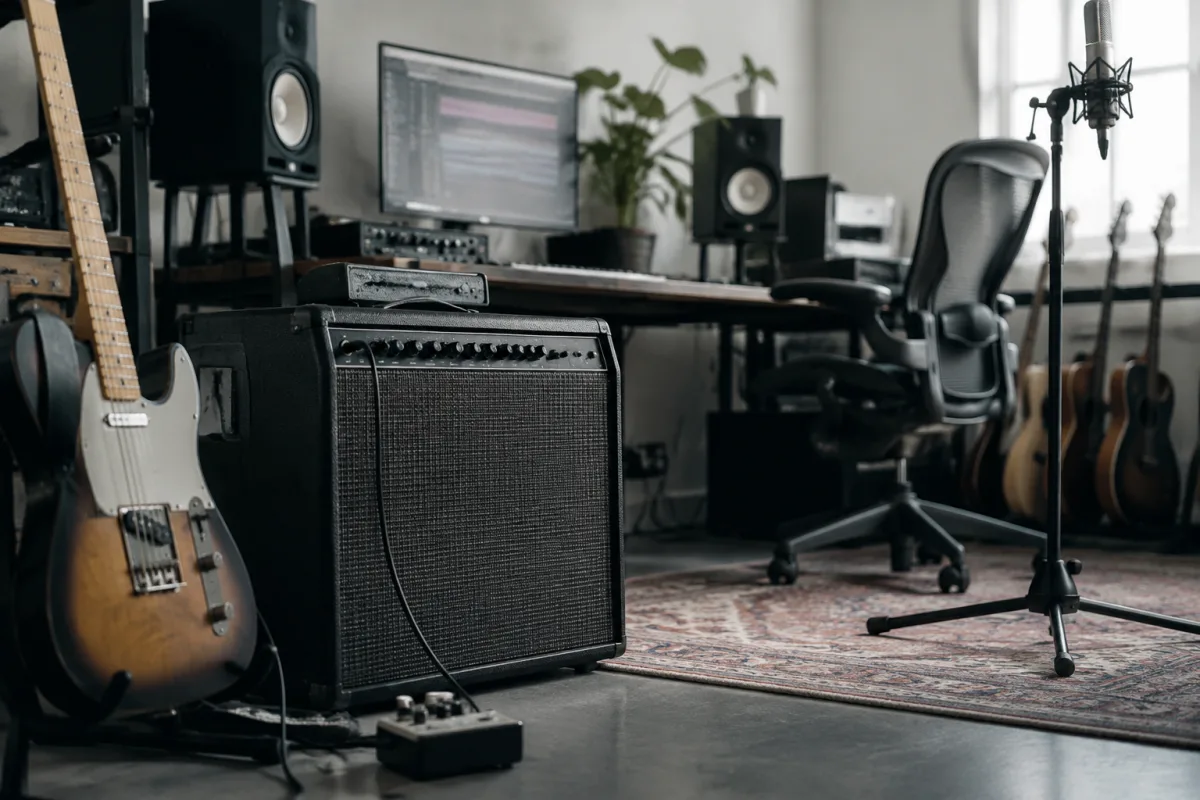
Positive Grid has established itself as a leading force in digital guitar amplification, offering musicians an innovative alternative to traditional tube amps. Their suite of products brings professional-grade amp modelling and effects processing into a flexible, portable format that appeals to both studio professionals and touring musicians. Whether you're a bedroom guitarist experimenting with tones or a professional recording engineer seeking sonic versatility, Positive Grid guitar amp solutions have something compelling to offer.
What is Positive Grid?
Positive Grid is a software company specialising in digital guitar amplification and effects technology. The Positive Grid guitar amp ecosystem comprises both software and hardware solutions, with BIAS being their flagship product. The company has gained recognition for creating some of the most accurate digital amp modelling available today, combined with a vast library of pedal and amp emulations.
The Positive Grid guitar amp platform allows guitarists to capture the tonal characteristics of classic and modern amplifiers, then manipulate those sounds with unprecedented flexibility. What sets Positive Grid apart is their commitment to creating amp simulations that respond authentically to input dynamics and gain staging, much like real hardware amplifiers.
BIAS Amp: The Core Offering
BIAS Amp stands at the heart of Positive Grid's lineup. This sophisticated software allows you to model virtually any guitar amplifier, from vintage Fenders to contemporary high-gain machines. The Positive Grid guitar amp software includes an extensive factory library of professionally crafted amp models, effects chains, and presets created by renowned recording engineers and touring professionals.
The core appeal of BIAS as a Positive Grid guitar amp solution lies in its amp designer functionality. Rather than simply choosing a pre-made amp model, BIAS Amp lets you customise virtually every aspect of an amplifier's behaviour – the preamp tube type, power amp configuration, speaker cabinet simulation, and microphone placement. This depth of control transforms the Positive Grid guitar amp into a truly personalised instrument.
Hardware Integration with Bias Head
For musicians seeking a hardware platform, Positive Grid offers the BIAS Head, a compact amp head that runs the Positive Grid guitar amp software engine. This integration bridges the gap between digital flexibility and traditional amplification workflow. The BIAS Head runs BIAS Amp software natively, giving users the tactile control of a hardware unit without sacrificing the versatility of digital processing.
The Positive Grid guitar amp hardware approach appeals to touring musicians who want the reliability of dedicated equipment alongside the tonal range of their Positive Grid guitar amp library. At around 8 pounds, it's substantially lighter than traditional tube amp heads whilst delivering comparable power and sonic character.
The Ecosystem: FX and Compatibility
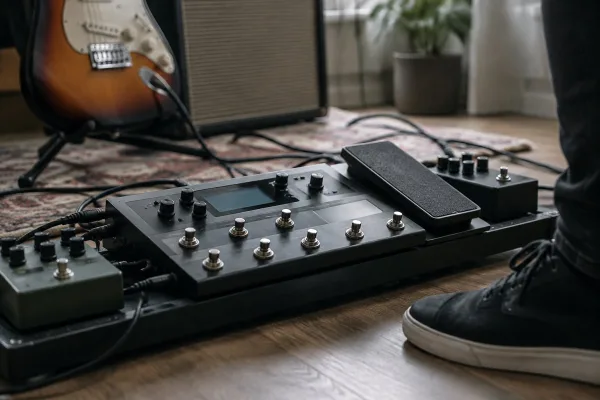
Beyond amplifier modelling, Positive Grid has built a comprehensive ecosystem around their Positive Grid guitar amp core technology. Their StompBox application serves as a multi-effects processor and pedalboard simulator that pairs seamlessly with BIAS Amp. This combination transforms a Positive Grid guitar amp setup into a complete signal chain replacement.
Integration with major DAWs (Digital Audio Workstations) is straightforward. The Positive Grid guitar amp plugins work as VST and AU formats on both Mac and Windows, making them accessible whether you're recording in Logic Pro, Pro Tools, Ableton Live, or any other professional recording platform. This flexibility has made Positive Grid guitar amp solutions particularly popular in modern home studios.
Tonal Character and Authenticity
What distinguishes a Positive Grid guitar amp from basic amplifier simulators is the attention to authentic tube amp behaviour. The Positive Grid guitar amp engine models not only the tonal characteristics but the dynamic response of real hardware. This means the amp reacts differently depending on your playing dynamics, input impedance, and gain staging — just as a real tube amp would.
This authenticity extends to their effects library as well. Rather than generic digital effects, Positive Grid has licensed and modelled classic pedals from manufacturers like Boss, Electro-Harmonix, and others. The Positive Grid guitar amp user gets access to historically accurate renderings of sought-after effects at a fraction of their hardware cost.
Practical Considerations
For recording purposes, a Positive Grid guitar amp solution eliminates the need for microphone placement decisions and physical amplifier noise. You can experiment with different amp models, speaker simulations, and microphone types entirely within software. This represents significant time and cost savings for home recording enthusiasts and professionals alike.
Performance-wise, the Positive Grid guitar amp software demands reasonable computer resources. Modern machines handle it without difficulty, but users with older hardware should check CPU requirements. The software supports both real-time monitoring (for low-latency playing) and offline rendering for maximum quality.
Comparison with Competitors
The digital amplification market includes several established players. Neural DSP has built a reputation for artist signature packs; Kemper offers hardware amp profiling with impressive authenticity; and Line 6 provides accessible, budget-friendly solutions. Compared to these, Positive Grid guitar amp offerings strike a balance between affordability, deep customisation, and professional sound quality. Many engineers and touring musicians find themselves using a Positive Grid guitar amp alongside other tools, appreciating its particular strengths in amp designer flexibility.
Who Benefits Most?
A Positive Grid guitar amp solution particularly suits the following musicians:
- Home recording engineers seeking studio-quality tones without physical amp noise
- Touring professionals who need tonal consistency and portability
- Sound designers exploring creative amp customisation
- Guitarists using digital amp emulation as a cost-effective alternative to boutique hardware
- Session musicians who need immediate access to diverse amp characters
Getting Started
Positive Grid offers free trials for their software, allowing you to experience the Positive Grid guitar amp ecosystem before committing financially. The learning curve is moderate — newcomers can start with factory presets whilst gradually exploring the deeper customisation options. A substantial online community shares presets, tips, and recorded examples, making it straightforward to learn the platform's capabilities.
The Future of Positive Grid
As technology advances, the Positive Grid guitar amp platform continues evolving. The company regularly releases new amp models, effects, and features. Their commitment to responsive dynamics and authentic amp behaviour suggests the Positive Grid guitar amp will remain a serious competitor in professional audio, especially as more studios and touring rigs embrace digital amplification.
The Positive Grid guitar amp represents a mature, feature-rich solution for guitarists prioritising sonic flexibility and portability. Whether you're recording your debut EP or replacing your live amp rig, Positive Grid delivers the tonal authenticity and creative control that discerning musicians expect from their amplification tools.
Frequently Asked Questions
Can I use Positive Grid guitar amp software without buying hardware? Yes. The BIAS Amp software works standalone on Mac and Windows computers, or as a plugin within your DAW. Hardware like the BIAS Head is optional, though useful for live performance.
How does the sound quality compare to real tube amplifiers? Modern Positive Grid guitar amp models are remarkably close to tube amps in both tone and dynamic response. Many professional recordings use Positive Grid exclusively without any traditional amplifier involved.
Is Positive Grid guitar amp software CPU-intensive? It requires moderate computer resources but runs efficiently on contemporary machines. Exact CPU load depends on the number of simultaneous effects and the complexity of your chain.
Can I take Positive Grid guitar amp solutions on tour? Absolutely. The BIAS Head hardware integrates easily into touring setups, whilst the software can run on laptop and audio interface combinations for minimal-footprint live rigs.
What formats do Positive Grid plugins support? The Positive Grid guitar amp plugins are available as VST and AU formats for Mac and Windows, compatible with all major DAWs.
Are there monthly subscription costs for using Positive Grid guitar amp? BIAS Amp is a one-time purchase with no subscription requirements. Some premium content packs are available for additional cost, but the core software remains perpetually usable once purchased.





Comments