


Marshall Cabinets article
The Complete Guide to Marshall Cabinets
Marshall cabinets have shaped rock tone since the 1960s. This guide walks you through cabinet sizes, speaker options, technical specs and how to choose the right Marshall cabinet for your playing style.
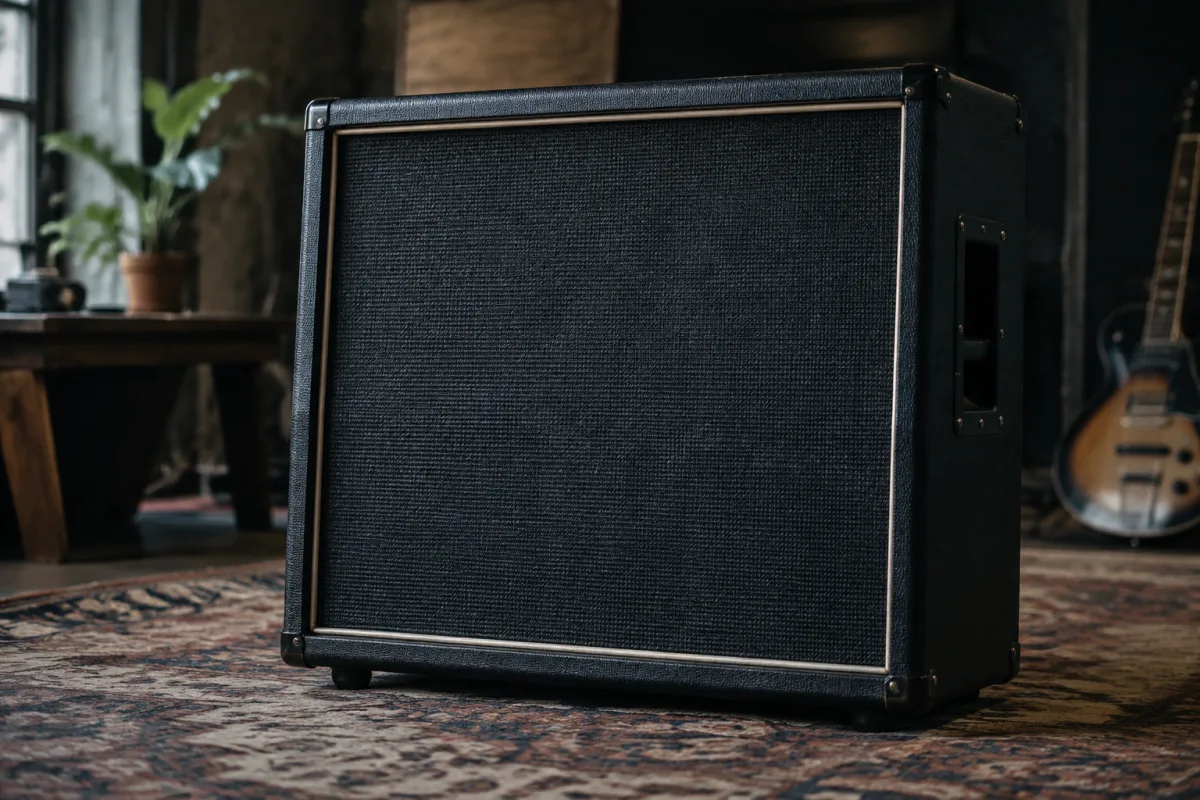
Marshall cabinets stand as one of the most iconic pieces of equipment in rock music history. Whether you're setting up your first amp rig or upgrading your current setup, understanding what a Marshall cabinet can offer helps you make a choice that suits your needs, your budget, and the sound you're chasing. This guide walks you through what matters, what to look for, and how to choose the right Marshall cabinet for your playing style.
What Makes Marshall Cabinets Special
Marshall cabinets have shaped the sound of rock music since the 1960s. The reason is simple: they were built to work perfectly with Marshall amplifiers, which means they're engineered to handle the power, frequency response and tonal character that Marshall heads produce. That partnership between amp and cab is the foundation of the classic rock tone that still influences players today.
A Marshall cabinet is essentially a wooden box containing one or more speakers, designed to project the amplified signal into the room with a specific tonal character. The cabinet size, wood construction, speaker configuration and port design all contribute to how the cabinet colours the tone from your amp. Marshall's decades of refinement mean these elements work together with remarkable consistency.
Cabinet Sizes and Speaker Configurations
Marshall offers several classic cabinet configurations, each with a distinct voice and practical purpose.
The 1x12 cabinet holds a single 12-inch speaker and is the most compact option. It's lighter to transport, needs less floor space and works well for smaller venues, rehearsal spaces and recording studios. A single 12-inch speaker can still deliver impressive volume and has a focused, slightly tighter tone compared to larger configurations.
The 2x12 cabinet contains two 12-inch speakers and strikes a balance between portability and power. Two speakers move more air than one and deliver fuller, more resonant bass without becoming unwieldy. Many players prefer the 2x12 as a sweet spot: enough volume for most live situations, still manageable to move, and with enough tonal richness for recording.
The 4x12 cabinet is the classic rock standard, containing four 12-inch speakers. It's louder, heavier, requires dedicated transport and commands considerable stage space, but it's the standard for serious gigging and studio work. The four-speaker configuration projects tone with authority and fullness that smaller cabs simply can't match. If you're playing larger venues or recording professionally, the 4x12 is what you'll expect to encounter.
Marshall also makes 1x15 and 2x15 configurations with larger 15-inch speakers, less common but chosen by players who prioritise bass response and deep, fat tone over cutting high-end clarity.
Speaker Types and Sound Character
Marshall cabinets come with different speaker options, each contributing to the overall tone.
Celestion speakers are the most common pairing with Marshall cabinets. Celestion has been Marshall's partner for years, and the speakers are chosen to complement Marshall's amp designs. Different Celestion models—such as the Greenback, Vintage 30, or Alnico Blue—each have distinct tonal personalities. A Greenback delivers a tighter, more compressed midrange. Vintage 30s are warmer and smoother. Alnico Blues emphasise clarity and chime.
Some players swap speakers to adjust their cabinet's voice without buying a new cab. If you find your Marshall cabinet lacks bass, upgrading to speakers with lower resonance frequencies shifts the tone. If it's too dark, brighter speakers can help cut through. Experimentation is common among serious players.
Open Back vs Closed Back Cabinets
Most Marshall cabinets are closed back, meaning the rear panel is sealed. This traps sound waves inside the cabinet, reinforcing bass frequencies and delivering a warmer, fuller tone. Closed-back cabinets also project the sound forward where the audience (and audience miking) picks it up clearly.
Open-back cabinets have ventilation or are fully open at the rear, allowing sound to escape in all directions. They're lighter, cheaper to build and less common. Some players prefer the more transparent, less coloured tone they produce, though they need more power to reach the same perceived volume as a closed-back design.
For most rock and metal applications, closed-back Marshall cabinets are the standard choice. They deliver the weight and presence that defines the Marshall sound.
New vs Vintage Marshall Cabinets
Vintage Marshall cabinets—particularly from the 1960s through 1980s—are highly sought by collectors and tone enthusiasts. Original cabs with original Greenback speakers are prized for their tonal character and build quality, though they command premium prices on the secondhand market.
Modern Marshall cabinets are built to comparable specifications but with modern materials and manufacturing consistency. A new Marshall 4x12 will deliver remarkable tone and durability at a fraction of a vintage cabinet's cost. For most players starting out or upgrading, a new cabinet makes far more sense financially and practically.
The trade-off is aesthetic: vintage cabinets carry visual history and cool factor. Modern cabs are practical, reliable and excellent sounding. Choose based on your actual needs rather than nostalgia.
Power Handling and Impedance
Every Marshall cabinet has a rated power handling capacity, usually stated in watts. A 4x12 might be rated for 300 watts; a 2x12 for 150 watts. This tells you the maximum power your amp head should supply to avoid damaging the speakers. Using an amp with significantly less power is fine; using one with much more power risks blowing speakers.
Impedance—measured in ohms—is equally important. A cabinet might be 8 ohms or 16 ohms (or, in rare cases, 4 ohms). Your amp head has an impedance selector, usually offering 4, 8 and 16 ohms. The amp and cabinet impedances must match, or you risk amp failure. Always check both the cabinet's spec and your amp's selector before connecting them.
Price and Value
A new Marshall 4x12 cabinet typically costs £500 to £800, depending on speaker configuration and materials. A 2x12 runs £350 to £550. A 1x12 starts around £250. Vintage cabinets can cost multiples of these figures if they're original and in demand.
Budget matters, but consider that a good cabinet lasts decades. Amortised over twenty years of playing, a £600 cabinet costs about £30 yearly. A cheap cabinet that fails after three years costs far more per year of use. Buy the best cabinet you can afford; it's a long-term investment in your tone and reliability.
Matching Your Amp Head to Your Cabinet
Your cabinet choice should complement your amp head. A high-wattage head with a 4x12 delivers maximum volume and presence. A lower-wattage head (30 to 50 watts) paired with a 2x12 or 1x12 is more practical for rehearsal and smaller venues whilst still sounding authoritative. A boutique low-wattage head with a 1x12 is perfect for recording and intimate gigs.
The relationship between head and cabinet matters as much as either piece alone. The best tone comes from a thoughtful partnership between the two, not just choosing big and expensive components.
Conclusion
A Marshall cabinet is an investment in tone and reliability that can last a lifetime. Whether you choose a vintage 4x12 for its heritage or a modern 2x12 for practicality, the Marshall name carries a legacy of engineering excellence and tonal authority. Focus on the cabinet size and configuration that matches your actual playing situation, choose a reputable Marshall model from a trusted retailer, and you'll own equipment that delivers iconic Marshall tone wherever you take it. The right cabinet paired with your amp head is the foundation of a great-sounding rig.


Comments